A dog heat cycle calculator is an online tool or tracking system that estimates when a female dog is likely to enter her next heat cycle. It uses previous heat cycle dates and average canine reproductive patterns to predict future cycles.
The tool is commonly used by dog owners who want to monitor their pet’s reproductive schedule and by breeders who need to plan breeding programs more effectively. Instead of manually counting months between cycles, the calculator provides a quick estimate of important reproductive milestones.
Although it can help forecast future heat cycles, it cannot confirm ovulation or fertility. Only veterinary reproductive testing can accurately determine breeding readiness.
Why Use a Dog Heat Cycle Calculator?
Tracking a dog’s heat cycle manually can be challenging, especially when cycles vary between dogs. A calculator helps organize reproductive data and provides estimated dates for future heat periods.
Dog owners typically use these tools to:
- Estimate the next heat cycle.
- Identify likely fertile days.
- Plan breeding schedules.
- Avoid accidental mating.
- Monitor cycle regularity.
- Keep long-term reproductive records.
Regular tracking can also help identify unusual cycle patterns that may require veterinary attention.
More About : Dog Heat Cycle
Information Needed for Accurate Calculations
Most dog heat cycle calculators require only a few basic details to generate predictions.
| Information Required | Purpose |
|---|---|
| Last heat cycle date | Calculates the next expected cycle |
| Previous cycle history | Improves prediction accuracy |
| Breed size | Accounts for cycle frequency differences |
| Dog’s age | Helps assess normal cycle patterns |
Providing accurate historical data generally results in more reliable estimates.
How Accurate Is a Dog Heat Cycle Calculator?
A dog heat cycle calculator provides an estimate based on average reproductive timelines. While many dogs follow a relatively consistent cycle, factors such as breed, age, health status, and hormonal changes can influence timing.
For routine tracking, these calculators are highly useful. However, breeders seeking precise breeding dates should rely on veterinary methods such as progesterone testing and fertility evaluations.
Key Points
- A dog heat cycle calculator estimates future heat cycles and fertile periods.
- Predictions are based on previous cycle information.
- Breed, age, and health can affect accuracy.
- The tool supports breeding planning and cycle monitoring.
- Veterinary testing remains the most accurate method for fertility assessment.
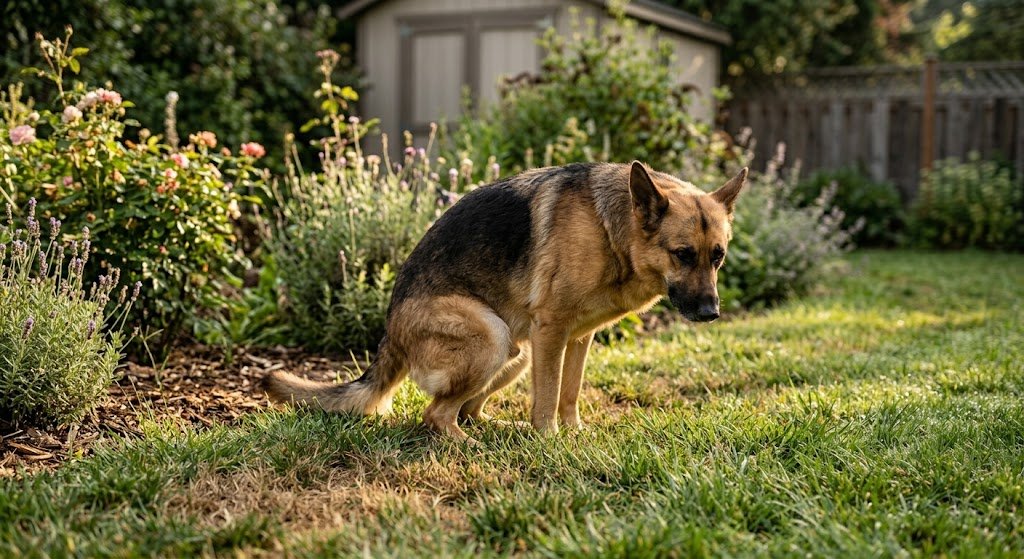
Dog Heat Cycle Timeline at a Glance
Understanding the four stages of the canine heat cycle is essential for interpreting the results of a dog heat cycle calculator. Each stage serves a specific reproductive purpose and affects fertility, behavior, and breeding timing.
A complete heat cycle consists of four phases: Proestrus, Estrus, Diestrus, and Anestrus. While the duration of each phase can vary between dogs, the overall pattern remains relatively consistent.
| Stage | Average Duration | What Happens | Fertility Status |
|---|---|---|---|
| Proestrus | 7–10 days | Body prepares for breeding | Not fertile |
| Estrus | 5–14 days | Ovulation occurs | Most fertile |
| Diestrus | 50–80 days | Reproductive hormones change | Not fertile |
| Anestrus | 2–6 months | Reproductive rest period | Not fertile |
Proestrus: The Beginning of Heat
Proestrus is the first stage of the heat cycle. During this phase, hormone levels begin to rise, and physical signs of heat become noticeable.
Common signs include:
- Swollen vulva
- Vaginal discharge
- Increased urination
- Male dog attraction
- Behavioral changes
Although male dogs are often attracted to females during this stage, most females are not yet receptive to mating.
Estrus: The Fertile Stage
Estrus is the most important stage for breeding because this is when a female dog becomes receptive to males and ovulation typically occurs.
During estrus, discharge often becomes lighter in color, and the female may actively seek male dogs.
Typical signs include:
- Increased friendliness
- Tail flagging behavior
- Acceptance of mating
- Reduced vulvar swelling
- Peak fertility
Most successful breeding attempts occur during this phase, making it the primary fertile window estimated by dog heat cycle calculators.
Diestrus: The Post-Ovulation Phase
Diestrus begins once the fertile period ends. Hormone levels shift significantly, and the dog’s body either supports pregnancy or returns to a non-pregnant state.
During this stage:
- Fertility ends
- Reproductive activity decreases
- Physical heat signs fade
- Hormones gradually stabilize
Whether a dog becomes pregnant or not, the hormonal changes of diestrus follow a similar pattern.
Anestrus: The Resting Phase
Anestrus is the longest stage of the reproductive cycle. It serves as a recovery and resting period before the next heat cycle begins.
During anestrus:
- Reproductive hormones remain low
- No fertility is present
- The reproductive tract recovers
- The body prepares for the next cycle
The length of anestrus largely determines how often a dog goes into heat each year.
Why These Stages Matter for Heat Cycle Calculations
A dog heat cycle calculator does more than estimate the next heat date. It helps predict where a dog may be within her reproductive timeline and identifies the period when fertility is most likely.
Knowing the difference between proestrus and estrus is particularly important because only estrus typically represents the optimal breeding window.
Summary
The canine heat cycle consists of four stages: Proestrus, Estrus, Diestrus, and Anestrus. Estrus is the fertile phase when ovulation usually occurs, while the other stages prepare the body for reproduction or allow it to recover. Understanding these phases helps dog owners interpret heat cycle predictions more accurately.
Key Points
- Every dog heat cycle contains four distinct stages.
- Estrus is the primary fertile and breeding phase.
- Proestrus marks the beginning of visible heat signs.
- Diestrus follows ovulation and ends fertility.
- Anestrus is the reproductive resting period between cycles.
How to Calculate Your Dog’s Next Heat Cycle
A dog heat cycle calculator estimates future heat dates by using the start date of a dog’s previous heat cycle and applying the average interval between cycles. While every dog is different, most female dogs enter heat approximately every 6 to 8 months.
The goal is to provide an estimated timeline for the next heat cycle, helping owners monitor reproductive health and prepare for breeding or pregnancy prevention.
Average Heat Cycle Frequency
Most female dogs experience heat cycles one to two times per year. However, the frequency can vary based on breed, size, genetics, and age.
| Dog Size | Typical Heat Frequency |
|---|---|
| Small Breeds | Every 4–8 months |
| Medium Breeds | Every 6–8 months |
| Large Breeds | Every 6–12 months |
| Giant Breeds | Every 12–18 months |
Smaller breeds often cycle more frequently, while giant breeds may only experience one heat cycle per year.
Simple Heat Cycle Calculation Formula
A basic dog heat cycle calculation follows this formula:
Next Heat Date = Previous Heat Start Date + Average Cycle Interval
For example:
- Last heat cycle started on January 1
- Average cycle interval is 6 months
- Estimated next heat cycle begins around July 1
Many calculators automate this process and provide additional estimates for fertile days and breeding windows.
Estimating the Fertile Window
Once the next heat cycle date is estimated, the fertile period can be projected using average canine reproductive timelines.
| Timeline | Typical Event |
|---|---|
| Days 1–9 | Proestrus |
| Days 9–15 | Estrus and peak fertility |
| Days 15+ | Fertility declines |
Because ovulation timing varies among dogs, these dates should be considered approximations rather than exact breeding recommendations.
Factors That Affect Prediction Accuracy
Heat cycle calculators work best when dogs have relatively consistent reproductive schedules. Several factors can influence the accuracy of future predictions.
Common factors include:
- Breed and breed size
- Age and reproductive maturity
- First heat cycles
- Hormonal changes
- Medical conditions
- Stress and environmental changes
- Nutrition and overall health
Dogs with irregular cycles may experience larger variations between predicted and actual heat dates.
How Many Previous Cycles Should Be Tracked?
Tracking multiple heat cycles significantly improves prediction accuracy. Recording at least two to three previous cycles helps identify a dog’s unique reproductive pattern.
The following information should be recorded after each cycle:
- Heat cycle start date
- Heat cycle end date
- Behavioral changes
- Breeding dates (if applicable)
- Veterinary reproductive records
Long-term tracking creates a more reliable basis for future heat cycle estimates.
Summary
A dog heat cycle calculator estimates future heat dates by analyzing previous cycle information and average canine reproductive intervals. While most dogs enter heat every 6 to 8 months, breed, age, and health can affect timing. Tracking multiple cycles improves prediction accuracy and helps owners better understand their dog’s reproductive schedule.
Key Points
- Most dogs go into heat every 6–8 months.
- Heat cycle calculations are based on previous heat dates.
- Small and large breeds may follow different schedules.
- Fertile window estimates are approximations.
- Tracking multiple cycles improves prediction accuracy.
Understanding the Fertile Window
Knowing when a dog is most fertile is one of the primary reasons owners use a dog heat cycle calculator. While the calculator can estimate fertile dates, understanding how the fertile window works helps improve breeding decisions and reproductive planning.
A female dog is not fertile throughout her entire heat cycle. Fertility is typically limited to a specific period during the estrus stage when ovulation occurs and the eggs are capable of being fertilized.
When Does Ovulation Typically Occur?
Ovulation usually occurs several days after the start of estrus, not at the beginning of the heat cycle. Most dogs ovulate approximately 2–3 days after entering estrus, although timing can vary significantly between individuals.
This variation is one reason why relying solely on calendar dates may not always produce the most accurate breeding results.
| Heat Cycle Stage | Reproductive Activity |
|---|---|
| Proestrus | Not fertile |
| Early Estrus | Fertility begins increasing |
| Mid Estrus | Peak fertility and ovulation |
| Late Estrus | Fertility gradually declines |
Because ovulation timing differs from dog to dog, experienced breeders often combine cycle tracking with veterinary fertility testing.
Best Breeding Days for Most Dogs
The most successful breeding dates generally occur during the middle portion of estrus when fertility is highest.
In many dogs:
- Days 9–14 of the heat cycle are often considered the most fertile.
- Ovulation commonly occurs during this period.
- Conception rates are usually highest around peak fertility.
- Breeding too early or too late can reduce the chances of pregnancy.
However, these are average timelines and should not be considered exact for every dog.
Signs a Dog May Be in Her Fertile Period
Physical and behavioral changes often indicate that a dog is approaching peak fertility.
Common signs include:
- Lighter-colored vaginal discharge
- Softening of the vulva
- Tail flagging behavior
- Increased willingness to mate
- Greater interest in male dogs
- Increased friendliness and receptiveness
These signs may help owners identify the likely fertile window, but they cannot confirm ovulation with certainty.
Why Fertility Predictions Are Only Estimates
A dog heat cycle calculator uses averages and historical data to estimate fertile days. While this can be helpful for planning purposes, several factors can affect actual fertility timing.
These include:
- Breed differences
- Age-related changes
- Hormonal fluctuations
- Previous irregular cycles
- Health conditions
- Environmental stress
As a result, two dogs with identical heat cycle dates may still ovulate on different days.
Veterinary Methods for Confirming Fertility
For precise breeding timing, veterinarians may recommend reproductive testing rather than relying solely on estimated dates.
Common methods include:
| Fertility Test | Purpose |
|---|---|
| Progesterone testing | Determines ovulation timing |
| Vaginal cytology | Evaluates heat cycle stage |
| Reproductive examination | Assesses breeding readiness |
These methods provide a more accurate assessment of fertility and are often used in professional breeding programs.
Summary
A dog’s fertile window occurs during the estrus stage, when ovulation and peak fertility take place. Although most dogs are most fertile around the middle of estrus, the exact timing varies between individuals. Dog heat cycle calculators provide useful estimates, but veterinary fertility testing offers the most accurate breeding guidance.
Key Points
- Fertility occurs primarily during estrus.
- Ovulation typically happens after estrus begins.
- Peak fertility often occurs around the middle of estrus.
- Physical signs can indicate a fertile period.
- Veterinary testing is the most reliable way to confirm ovulation.

Heat Cycle Frequency by Breed Size
Not all female dogs follow the same reproductive schedule. One of the most important factors influencing heat cycle frequency is breed size. While many dogs enter heat every 6 to 8 months, smaller breeds often cycle more frequently, whereas larger and giant breeds may have much longer intervals between heat cycles.
Understanding these differences helps dog owners interpret dog heat cycle calculator results more accurately and set realistic expectations for future heat dates.
Small Breeds
Small dog breeds typically mature faster and tend to experience heat cycles more often than larger breeds. Many small dogs enter heat every 4 to 6 months, which can result in two or more heat cycles per year.
Common small breeds include:
- Chihuahua
- Pomeranian
- Maltese
- Yorkshire Terrier
- Toy Poodle
Because of their shorter reproductive intervals, small breeds often require more frequent cycle tracking.
Medium Breeds
Medium-sized dogs generally follow the average canine heat cycle pattern and often go into heat every 6 to 8 months. This schedule aligns closely with the estimates used by most dog heat cycle calculators.
Examples include:
- Border Collie
- Cocker Spaniel
- Australian Shepherd
- Bulldog
Although individual variation exists, medium breeds usually maintain relatively predictable reproductive cycles during adulthood.
Large Breeds
Large breeds commonly experience longer intervals between heat cycles than smaller dogs. Many large dogs enter heat every 8 to 12 months, resulting in fewer cycles each year.
Examples include:
- Labrador Retriever
- Golden Retriever
- German Shepherd
- Doberman Pinscher
Owners of large breeds should not be concerned if their dog’s heat cycles occur less frequently than the general canine average.
Giant Breeds
Giant breeds typically have the longest reproductive intervals of all dog size categories. Some may only experience one heat cycle every 12 to 18 months.
Common giant breeds include:
- Great Dane
- Mastiff
- Saint Bernard
- Newfoundland
Because these breeds cycle less often, heat cycle predictions may span much longer periods than those of smaller dogs.
How Age Affects Heat Cycle Frequency
Age also plays an important role in reproductive timing. Young dogs may have irregular heat cycles during their first few reproductive years as their hormonal systems mature.
As dogs reach adulthood, heat cycles generally become more consistent. Senior dogs can continue cycling throughout life, although fertility and breeding success often decline with age.
Why Breed Size Matters for Heat Cycle Calculators
Most dog heat cycle calculators use average reproductive intervals to estimate future heat dates. Since breed size directly affects cycle frequency, understanding where a dog falls within the size spectrum can improve prediction accuracy.
Breed size may influence:
- Heat cycle frequency
- Time between cycles
- Reproductive maturity
- Fertility timing
- Breeding schedules
Combining breed-specific expectations with previous heat cycle records typically produces more reliable estimates than relying on averages alone.
Summary
Heat cycle frequency varies considerably among dog breeds. Small breeds often enter heat every 4 to 6 months, while giant breeds may cycle only once every 12 to 18 months. Knowing how breed size affects reproductive timing helps owners use dog heat cycle calculators more effectively and better anticipate future heat cycles.
Key Points
- Breed size significantly affects heat cycle frequency.
- Small breeds generally cycle more often than large breeds.
- Giant breeds may have only one heat cycle per year.
- Age can influence cycle regularity and predictability.
- Breed-specific information improves heat cycle calculator accuracy.
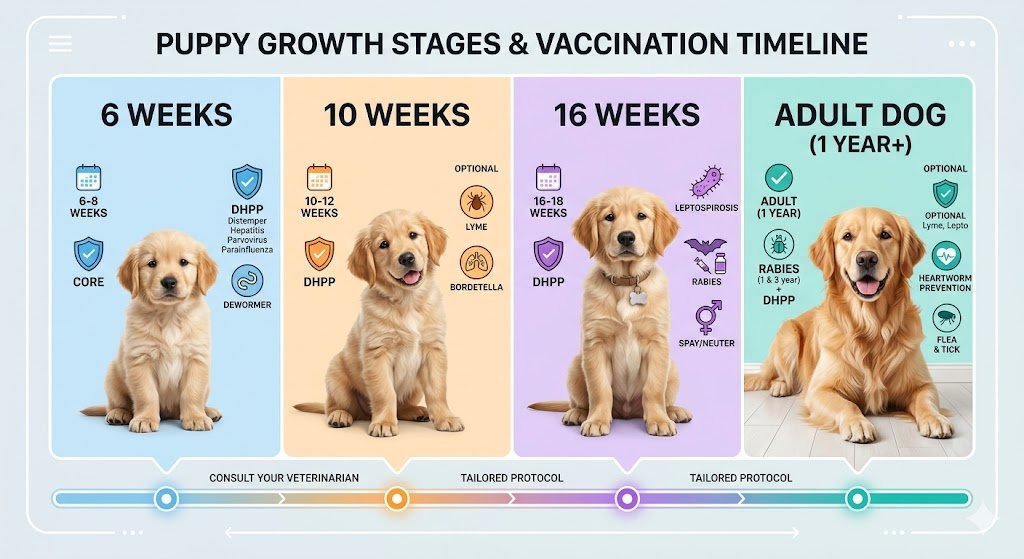
Why Heat Cycles Can Be Irregular
Although many female dogs follow a predictable reproductive schedule, some experience irregular heat cycles that can make tracking and prediction more difficult. This is one reason why a dog heat cycle calculator should be used as a planning tool rather than an exact predictor.
Irregular cycles may occur due to age, hormonal fluctuations, breed-specific characteristics, or underlying health conditions. Understanding these factors can help owners determine whether variations are normal or require veterinary attention.
First Heat Cycles
Young dogs often experience irregular heat cycles during their first one or two years of reproductive maturity. The hormonal system is still developing, which can result in longer or shorter intervals between heats.
Common characteristics of early heat cycles include:
- Unpredictable timing
- Variable cycle lengths
- Inconsistent heat signs
- Delayed cycle regularity
Most dogs develop a more consistent pattern as they reach adulthood.
Silent Heat
A silent heat occurs when a dog goes through a normal reproductive cycle but shows very few visible signs. Ovulation may still occur, making the dog potentially fertile even though owners do not notice obvious symptoms.
Signs of a silent heat may include:
- Minimal vulvar swelling
- Little or no visible discharge
- Subtle behavioral changes
- Unexpected attraction from male dogs
Silent heats can make cycle tracking challenging and may lead owners to believe a heat cycle was skipped.
Split Heat
A split heat occurs when a dog begins a heat cycle, stops before reaching full estrus, and then resumes the cycle weeks later.
This condition is most commonly seen in younger dogs whose reproductive systems are still maturing.
A split heat may involve:
- Initial heat symptoms
- Temporary disappearance of signs
- A second heat phase shortly afterward
- Delayed ovulation
While often normal in young dogs, repeated split heats may warrant veterinary evaluation.
Breed-Related Cycle Variations
Some breeds naturally have longer or less predictable reproductive intervals than others. Large and giant breeds, in particular, may go many months between heat cycles.
Breed-related factors can affect:
- Heat frequency
- Cycle duration
- Fertility timing
- Symptom intensity
This is why breed size should always be considered when interpreting calculator estimates.
Medical Conditions That Affect Heat Cycles
Certain health issues can disrupt normal reproductive function and cause irregular heat cycles.
Potential medical causes include:
- Hormonal imbalances
- Ovarian disorders
- Thyroid disease
- Reproductive tract abnormalities
- Chronic illness
- Nutritional deficiencies
If a dog suddenly develops irregular cycles after previously being consistent, a veterinary examination is recommended.
When Should You Be Concerned?
Occasional variations are not always a cause for concern. However, some situations may indicate an underlying reproductive problem.
Consider consulting a veterinarian if:
- Heat cycles stop unexpectedly
- Cycles occur unusually close together
- A dog has not entered heat by the expected age
- Symptoms appear abnormal or severe
- Fertility problems occur during breeding attempts
Early evaluation can help identify potential reproductive or hormonal issues before they become more serious.
Summary
Irregular heat cycles can occur for many reasons, including young age, silent heats, split heats, breed characteristics, and medical conditions. While some variations are normal, significant changes in cycle timing or symptoms may require veterinary attention. Understanding these factors helps owners interpret dog heat cycle calculator predictions more accurately.
Key Points
- First heat cycles are often irregular.
- Silent heats may occur with few visible symptoms.
- Split heats are common in young dogs.
- Breed differences can affect cycle timing.
- Medical conditions may cause reproductive irregularities.
Tracking Your Dog’s Heat Cycle Effectively
Accurate tracking is the foundation of any dog heat cycle calculator. The more heat cycle data you record, the easier it becomes to predict future cycles, identify fertility patterns, and detect potential reproductive abnormalities.
Whether you are a pet owner monitoring reproductive health or a breeder planning future litters, maintaining consistent records can significantly improve prediction accuracy.
Track Important Heat Cycle Dates
The most important step is recording the start and end date of each heat cycle. These dates establish a history that can be used to estimate future cycles and identify recurring patterns.
Key dates to record include:
- Heat cycle start date
- Heat cycle end date
- Estimated fertile period
- Breeding dates
- Veterinary examination dates
Tracking multiple cycles often reveals a dog’s unique reproductive schedule, which may differ from general breed averages.
Monitor Physical and Behavioral Changes
Heat cycle dates alone do not provide the complete picture. Recording symptoms and behavioral changes can help identify when a dog transitions between different stages of the reproductive cycle.
Observations may include:
- Vulvar swelling
- Vaginal discharge changes
- Tail flagging behavior
- Appetite changes
- Increased urination
- Receptiveness to male dogs
These records can help confirm whether calculator predictions align with actual heat cycle signs.
Use Digital Tracking Tools
Many owners prefer digital tracking methods because they simplify record keeping and provide automatic reminders for upcoming heat cycles.
Popular tracking options include:
- Dog heat cycle calculators
- Pet care mobile apps
- Digital calendars
- Spreadsheet trackers
- Breeding management software
Digital tools can help organize historical data and reduce the likelihood of missing important reproductive dates.
Create a Heat Cycle Tracking Log
Maintaining a dedicated tracking log provides a centralized record of reproductive information.
A simple tracking log may include:
| Information to Record | Purpose |
|---|---|
| Heat cycle start date | Predict future cycles |
| Heat cycle end date | Determine cycle duration |
| Physical symptoms | Track reproductive stages |
| Behavioral changes | Identify fertile periods |
| Breeding dates | Monitor conception timing |
| Veterinary notes | Document professional evaluations |
Over time, this information becomes valuable for identifying trends and improving prediction accuracy.
Work With Your Veterinarian
Veterinary monitoring is especially important for breeding dogs or dogs with irregular heat cycles. Professional evaluations can help confirm fertility status and identify reproductive issues that may not be obvious through tracking alone.
A veterinarian may assist with:
- Fertility assessments
- Progesterone testing
- Reproductive examinations
- Cycle irregularity investigations
- Breeding recommendations
Combining veterinary guidance with consistent tracking often produces the most reliable reproductive management plan.
Common Tracking Mistakes to Avoid
Many prediction errors occur because important information is not recorded consistently.
Common mistakes include:
- Forgetting heat cycle dates
- Tracking only one cycle
- Ignoring subtle symptoms
- Assuming all cycles are identical
- Relying solely on calculator estimates
Consistent record keeping provides a more accurate understanding of a dog’s reproductive health over time.
Summary
Effective heat cycle tracking improves the accuracy of dog heat cycle calculators and helps owners better understand their dog’s reproductive patterns. Recording cycle dates, symptoms, breeding information, and veterinary observations creates a reliable history that supports future predictions and reproductive planning.
Key Points
- Accurate records improve heat cycle predictions.
- Track both dates and physical symptoms.
- Digital tools simplify heat cycle management.
- A dedicated tracking log helps identify patterns.
- Veterinary monitoring supports reproductive health and fertility planning.
Conclusion
A dog heat cycle calculator is a valuable tool for estimating future heat cycles, fertile windows, and breeding timelines. By combining previous heat cycle records with average canine reproductive patterns, owners can better predict upcoming cycles and monitor reproductive health.
However, every dog is unique. Factors such as breed size, age, genetics, and overall health can influence cycle frequency and fertility timing. For the most reliable results, heat cycle estimates should be paired with consistent tracking and veterinary guidance, especially when breeding decisions are involved.
Understanding the stages of the heat cycle, recognizing heat signs, and maintaining accurate records can help dog owners make informed decisions and better manage their dog’s reproductive health.
FAQs
How often do dogs go into heat?
Most female dogs go into heat every 6 to 8 months. However, small breeds may cycle more frequently, while giant breeds may only enter heat once every 12 to 18 months.
How accurate is a dog heat cycle calculator?
A dog heat cycle calculator provides estimates based on previous cycle data and average reproductive intervals. Accuracy improves when multiple heat cycles have been recorded, but predictions are not guaranteed.
How long does a dog stay in heat?
Most dogs remain in heat for approximately 2 to 4 weeks, although the exact duration varies between individuals.
When is a dog most fertile during her heat cycle?
A dog is typically most fertile during the estrus stage, which often occurs around days 9 to 14 of the heat cycle. Actual ovulation timing can vary between dogs.
Can a dog get pregnant during the entire heat cycle?
No. Pregnancy is most likely during the fertile estrus phase when ovulation occurs. Dogs are not fertile throughout the entire heat cycle.
What are the first signs of a dog entering heat?
Common early signs include vulvar swelling, vaginal discharge, increased urination, and changes in behavior such as restlessness or increased affection.
Should I use a calculator or veterinary testing for breeding?
A calculator is useful for planning and tracking. However, veterinary fertility testing, including progesterone testing, provides the most accurate information for breeding timing.