The Importance of Calcium During Dog Pregnancy is one of the most important nutrients for supporting both the mother’s health and the healthy development of her puppies. It plays a vital role in building strong bones and teeth, maintaining normal muscle contractions, supporting nerve function, regulating heart rhythm, and enabling many essential biological processes throughout pregnancy.
A pregnant dog’s body carefully manages calcium levels to meet the growing demands of developing puppies while maintaining her own health. During gestation, the mother’s calcium is continuously used to support fetal skeletal growth. After the puppies are born, calcium demands increase even further because large amounts of calcium are transferred into milk during lactation.
Although calcium during dog pregnancy is essential, more is not always better. Healthy pregnant dogs that eat a complete and balanced commercial diet typically receive adequate calcium without additional supplements. Inappropriate calcium supplementation can interfere with the body’s natural calcium regulation and may increase the risk of health complications after whelping, including eclampsia (milk fever).
Understanding how calcium functions during pregnancy helps dog owners make informed nutritional decisions and avoid common feeding mistakes that could affect both the mother and her litter.
What Calcium Does in a Pregnant Dog’s Body
Calcium supports several essential functions throughout canine pregnancy. While many people associate calcium only with bone health, it also contributes to nearly every major body system.
Its primary functions include:
- Building and mineralizing fetal bones and teeth.
- Supporting normal muscle contractions, including those involved in movement and labor.
- Maintaining healthy nerve transmission.
- Helping regulate normal heart function.
- Supporting blood clotting after injury or during whelping.
- Assisting numerous enzyme and hormone activities involved in metabolism.
Because these functions occur continuously, pregnant dogs must maintain stable blood calcium levels throughout pregnancy and nursing.
| Calcium Function | Importance During Dog Pregnancy |
|---|---|
| Bone and teeth development | Supports healthy fetal skeletal growth |
| Muscle function | Helps normal movement and uterine contractions |
| Nerve signaling | Maintains communication between nerves and muscles |
| Heart function | Supports a stable heartbeat |
| Blood clotting | Helps control normal clotting processes |
| Enzyme activity | Supports metabolic and cellular functions |
Why Developing Puppies Need Calcium
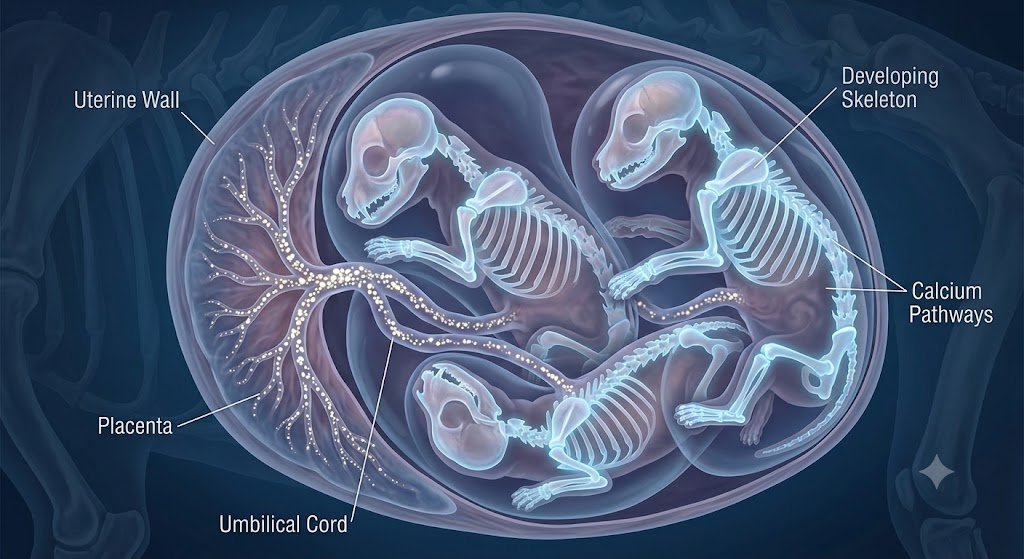
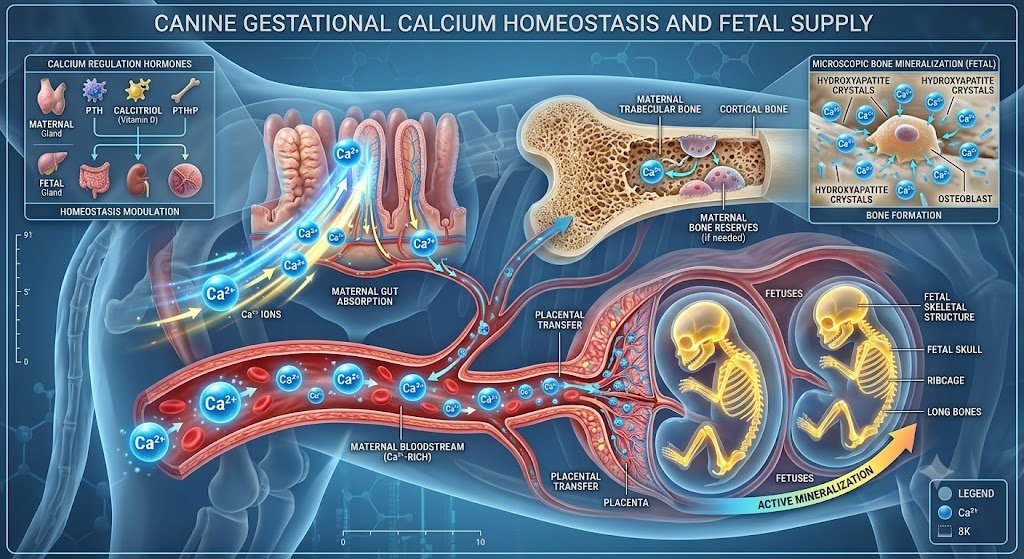
Growing puppies depend entirely on their mother for calcium throughout pregnancy. As fetal development progresses, calcium is transferred across the placenta to build the puppies’ rapidly developing skeletons.
During the later stages of pregnancy, fetal bone mineralization accelerates, increasing the mother’s nutritional demands. After birth, calcium requirements continue to rise because milk production requires substantial calcium reserves to nourish nursing puppies.
To meet these changing needs, pregnant dogs should receive a nutritionally complete, life-stage-appropriate diet formulated for growth and reproduction. Maintaining balanced calcium intake helps support healthy puppy development while protecting the mother’s long-term health.
It is equally important to remember that calcium works alongside phosphorus and vitamin D. These nutrients must remain in proper balance for efficient calcium absorption, bone formation, and overall reproductive health.
Summary
Calcium during dog pregnancy is essential for maternal health, fetal development, muscle function, nerve signaling, heart function, and successful lactation. While adequate calcium intake is necessary, excessive supplementation is not recommended unless advised by a veterinarian. A complete and balanced diet is usually the safest way to meet a pregnant dog’s calcium requirements.
Key Points
- Calcium during dog pregnancy supports both the mother and developing puppies.
- It is essential for fetal bone and teeth formation.
- Calcium also supports muscles, nerves, heart function, blood clotting, and metabolism.
- Calcium demands increase significantly during late pregnancy and lactation.
- Most pregnant dogs obtain sufficient calcium from a balanced commercial diet.
- Excess calcium supplementation may increase the risk of postpartum complications.
- Calcium must remain balanced with phosphorus and vitamin D for optimal absorption and function.
For a complete understanding of canine pregnancy, explore our detailed Dog Pregnancy Guide covering every stage from conception to whelping visit : Dog UTI Symptoms
Why Calcium Is Essential During Canine Pregnancy
Calcium during dog pregnancy supports far more than healthy bones. It is a vital mineral that helps maintain normal body functions in the mother while providing the developing puppies with the nutrients they need for proper growth. As pregnancy progresses, calcium requirements increase because the puppies rely entirely on their mother for skeletal development, and the mother’s body must prepare for the demands of labor and milk production.
Providing the right amount of calcium during dog pregnancy helps support a healthy gestation, improves maternal well-being, and contributes to stronger puppies. However, maintaining the correct balance is essential because both calcium deficiency and excessive supplementation can lead to serious health complications.
Supports Healthy Bone and Teeth Development
One of the primary roles of calcium during dog pregnancy is supporting the formation of the puppies’ bones and teeth. Throughout gestation, calcium is transferred from the mother to each developing fetus to build a strong skeletal structure.
Bone mineralization becomes especially rapid during the final weeks of pregnancy. If the mother’s diet does not provide adequate calcium, her body may draw calcium from her own bones to meet the puppies’ needs, increasing the risk of nutritional deficiencies over time.
A nutritionally complete diet formulated for growth and reproduction typically provides the appropriate balance of calcium and phosphorus needed for healthy fetal skeletal development.
Maintains Muscle Function, Nerve Signaling, and Heart Health
Calcium is essential for normal muscle contractions throughout the body. During pregnancy, it supports routine movement, digestive function, and eventually the uterine contractions required during labor.
The mineral also enables efficient communication between nerves and muscles. Without adequate calcium, nerve transmission becomes impaired, which may result in muscle weakness, tremors, or more severe neurological symptoms if calcium levels fall significantly.
In addition, calcium helps regulate normal heart rhythm. Stable calcium levels are necessary for proper cardiac muscle contractions and overall cardiovascular function during pregnancy.
Protects the Mother’s Health Throughout Pregnancy
While much attention focuses on the developing puppies, calcium is equally important for maintaining the mother’s health. Pregnancy places significant nutritional demands on the body, making balanced mineral intake essential for supporting normal metabolism and reproductive function.
Adequate calcium during dog pregnancy helps the mother’s body:
- Maintain healthy bone mineral reserves.
- Support normal enzyme and hormone activity.
- Prepare for the increased calcium demands of lactation.
- Reduce the risk of severe calcium depletion after whelping.
- Promote overall reproductive health during gestation.
Rather than increasing calcium supplements unnecessarily, veterinarians generally recommend feeding a complete and balanced diet designed for pregnant and nursing dogs. This approach helps the body regulate calcium naturally while reducing the risk of nutritional imbalances.
| Benefit of Calcium | Why It Matters During Pregnancy |
|---|---|
| Fetal skeletal growth | Builds strong bones and developing teeth |
| Muscle contractions | Supports normal movement and labor |
| Nerve function | Maintains proper nerve-to-muscle communication |
| Heart health | Helps regulate a normal heartbeat |
| Maternal bone health | Preserves healthy calcium reserves |
| Preparation for lactation | Supports future milk production and nursing |
Summary
Calcium during dog pregnancy is essential for healthy fetal development and the mother’s overall well-being. It supports bone formation, muscle contractions, nerve signaling, heart function, and prepares the body for lactation. Maintaining the correct calcium balance through a complete and balanced diet is the safest way to support a healthy pregnancy.
Key Points
- Calcium during dog pregnancy supports fetal bone and teeth development.
- It is necessary for normal muscle contractions, including labor.
- Healthy calcium levels maintain nerve signaling and heart function.
- The mother’s body relies on balanced calcium intake to remain healthy throughout pregnancy.
- A complete and balanced diet usually provides sufficient calcium without routine supplementation.
Calcium Requirements Throughout Pregnancy
Calcium during dog pregnancy should be provided in the right amount at every stage of gestation. While the need for calcium changes as pregnancy progresses, most healthy pregnant dogs receive adequate calcium from a complete and balanced diet formulated for growth and reproduction. The goal is to support both the mother’s health and the puppies’ development without disrupting the body’s natural calcium regulation.
Understanding how calcium requirements evolve throughout pregnancy helps dog owners avoid unnecessary supplementation and ensures the mother is prepared for both whelping and lactation.
Early Pregnancy Nutritional Needs
During the first few weeks of pregnancy, fetal growth is relatively slow, and the mother’s calcium requirements remain close to normal maintenance levels. At this stage, the body is preparing for the rapid development that occurs later in gestation.
Rather than increasing calcium supplements, focus on feeding a high-quality, nutritionally complete dog food that provides balanced levels of calcium, phosphorus, protein, vitamins, and essential minerals.
Sudden dietary changes or excessive calcium supplementation during early pregnancy are generally unnecessary unless specifically recommended by a veterinarian for a diagnosed nutritional deficiency.
Mid to Late Pregnancy Changes
As pregnancy enters the second half, fetal growth accelerates significantly. Developing puppies begin forming and strengthening their skeletons, increasing the demand for calcium and other essential nutrients.
During this period, the mother also experiences greater energy requirements. Many veterinarians recommend transitioning to a diet formulated for puppies or for growth and reproduction because these foods are designed to provide higher nutrient density while maintaining the correct calcium-to-phosphorus ratio.
Maintaining balanced nutrition during this stage helps support:
- Rapid fetal bone development.
- Healthy maternal bone reserves.
- Normal muscle and nerve function.
- Preparation for labor and milk production.
Increased Calcium Demands During Lactation
The highest calcium demand does not usually occur during pregnancy—it occurs after the puppies are born. Milk production requires large amounts of calcium, making lactation the most nutritionally demanding stage for the mother.
As nursing puppies grow, they rely entirely on their mother’s milk for calcium and other nutrients. If calcium intake and regulation are inadequate, the mother may develop hypocalcemia, commonly known as eclampsia or milk fever, a medical emergency that requires immediate veterinary treatment.
For this reason, nutritional management should continue throughout lactation. Feeding a complete and balanced diet and monitoring the mother’s condition are essential for maintaining healthy calcium levels while nursing.
| Pregnancy Stage | Calcium Requirement | Primary Nutritional Focus |
|---|---|---|
| Early Pregnancy | Normal maintenance levels | Balanced nutrition and overall maternal health |
| Mid Pregnancy | Gradually increasing | Support fetal growth and maternal health |
| Late Pregnancy | Higher nutritional demand | Rapid skeletal development and preparation for lactation |
| Lactation | Highest calcium demand | Milk production and prevention of calcium deficiency |
Summary
Calcium requirements change throughout dog pregnancy, with the greatest demand occurring during lactation rather than early gestation. Feeding a complete and balanced diet designed for growth and reproduction is the safest way to meet these changing nutritional needs while reducing the risk of calcium-related complications.
Key Points
- Calcium during dog pregnancy should remain balanced throughout every stage.
- Early pregnancy usually does not require additional calcium supplementation.
- Calcium needs increase during the second half of pregnancy as fetal bones develop.
- Lactation places the greatest demand on the mother’s calcium reserves.
- Proper nutrition helps support healthy puppies while protecting the mother’s long-term health.
- Routine calcium supplementation should only be used under veterinary guidance.
Can a Pregnant Dog Have Too Little or Too Much Calcium?
Maintaining the right calcium balance during dog pregnancy is just as important as providing enough calcium. Both calcium deficiency and excessive calcium intake can negatively affect the health of the mother and her puppies. While insufficient calcium may lead to serious health problems, excessive supplementation can interfere with the body’s natural ability to regulate calcium, increasing the risk of complications after the puppies are born.
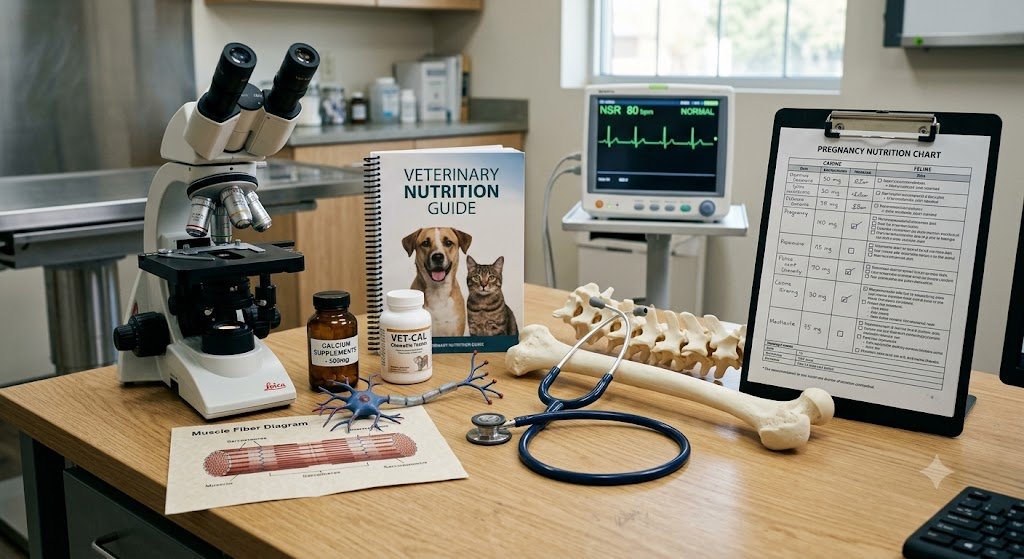
For most healthy dogs, a complete and balanced diet formulated for growth and reproduction provides the appropriate amount of calcium throughout pregnancy. Supplements should only be used when recommended by a veterinarian.
Signs of Calcium Deficiency
Calcium deficiency, also known as hypocalcemia, occurs when the mother’s blood calcium levels become too low. This condition is most commonly seen during the first few weeks after whelping because milk production places significant demands on the body’s calcium reserves. However, poor nutrition during pregnancy can also contribute to low calcium levels.
Early signs of calcium deficiency may include:
- Restlessness or unusual anxiety.
- Muscle tremors or twitching.
- Weakness and fatigue.
- Stiff or unsteady walking.
- Panting without obvious exertion.
- Reduced appetite.
- Increased sensitivity or nervousness.
If calcium levels continue to fall, more severe symptoms can develop, including:
- Muscle spasms.
- High fever.
- Seizures.
- Collapse.
- Difficulty standing or walking.
Hypocalcemia is a veterinary emergency that requires immediate treatment to protect both the mother and her puppies.
Risks of Excessive Calcium Supplementation
Many dog owners believe that giving extra calcium during pregnancy will strengthen puppies or make delivery easier. However, excessive calcium supplementation can have the opposite effect.
When large amounts of calcium are provided before whelping, the mother’s body may reduce its natural production of hormones that regulate calcium release from bones. As a result, the body may struggle to meet the sudden increase in calcium demand during lactation, increasing the likelihood of postpartum hypocalcemia.
Excessive calcium supplementation may also:
- Disrupt the natural calcium-to-phosphorus balance.
- Reduce the body’s ability to regulate calcium efficiently.
- Increase the risk of nutritional imbalances.
- Contribute to developmental problems in growing puppies when diets are improperly formulated.
Unless specifically prescribed by a veterinarian, routine calcium supplementation is generally not recommended for pregnant dogs eating a balanced commercial diet.
Understanding Eclampsia (Milk Fever)
Eclampsia, also called milk fever or puerperal hypocalcemia, is a life-threatening condition caused by a sudden drop in blood calcium levels after whelping. It most commonly affects small-breed dogs with large litters, although it can occur in any nursing dog.
Because milk production rapidly removes calcium from the mother’s body, calcium levels can decline faster than the body can replace them. Without prompt treatment, the condition can progress rapidly.
Common signs of eclampsia include:
- Restlessness and agitation.
- Heavy panting.
- Muscle tremors.
- Difficulty walking.
- Stiff limbs.
- Fever.
- Seizures.
- Collapse.
Immediate veterinary care is essential. Treatment typically involves intravenous calcium administration, supportive care, and close monitoring until calcium levels stabilize.
| Condition | Cause | Common Signs | Recommended Action |
|---|---|---|---|
| Calcium Deficiency (Hypocalcemia) | Low blood calcium levels | Weakness, tremors, panting, muscle spasms | Seek veterinary care promptly |
| Excess Calcium Intake | Overuse of calcium supplements | Hormonal disruption and mineral imbalance | Stop unnecessary supplementation and consult a veterinarian |
| Eclampsia (Milk Fever) | Severe postpartum hypocalcemia | Tremors, fever, seizures, collapse | Emergency veterinary treatment immediately |
Summary
Both insufficient and excessive calcium during dog pregnancy can lead to serious health problems. Calcium deficiency may result in hypocalcemia and eclampsia, while unnecessary supplementation can interfere with normal calcium regulation and increase postpartum risks. Feeding a complete and balanced diet and seeking veterinary guidance before using supplements are the safest ways to maintain healthy calcium levels.
Key Points
- Calcium deficiency can cause hypocalcemia, especially after whelping.
- Early symptoms include restlessness, muscle tremors, weakness, and panting.
- Excessive calcium supplementation can disrupt the body’s natural calcium regulation.
- Eclampsia is a life-threatening emergency requiring immediate veterinary treatment.
- Most pregnant dogs do not need additional calcium supplements if they eat a balanced commercial diet.
- Always consult a veterinarian before adding calcium supplements during dog pregnancy.
Best Sources of Calcium for Pregnant Dogs
Providing the right sources of calcium during dog pregnancy is more important than simply increasing calcium intake. The safest approach is to feed a nutritionally complete diet that supplies calcium in the correct amount and ratio with other essential nutrients. Because calcium works closely with phosphorus and vitamin D, maintaining a balanced diet is far more beneficial than adding calcium supplements without professional guidance.
Choosing appropriate calcium sources helps support healthy fetal development, maternal bone health, and successful lactation while reducing the risk of nutritional imbalances.
Complete and Balanced Commercial Diets
For most pregnant dogs, a complete and balanced commercial dog food formulated for growth and reproduction or all life stages is the best source of calcium. These diets are developed to meet established nutritional standards and provide the correct balance of calcium, phosphorus, protein, vitamins, and other essential minerals.
A high-quality commercial diet offers several advantages:
- Provides adequate calcium for healthy pregnancy.
- Maintains the proper calcium-to-phosphorus ratio.
- Supports fetal growth and skeletal development.
- Reduces the risk of nutritional deficiencies.
- Eliminates the need for routine calcium supplementation in most healthy dogs.
Many veterinarians recommend gradually transitioning to a puppy or reproduction formula during the later stages of pregnancy because these diets are designed to support increased nutritional demands.
Natural Food Sources of Calcium
Natural foods can contribute calcium to a dog’s diet, but they should not replace a complete and balanced meal plan unless the diet has been formulated by a qualified veterinary nutrition professional.
Examples of natural calcium-containing foods include:
- Plain yogurt (unsweetened and xylitol-free).
- Cottage cheese in moderation.
- Sardines with soft edible bones.
- Cooked eggshell powder prepared under professional guidance.
- Certain calcium-rich ingredients included in balanced homemade diets.
Although these foods contain calcium, they do not provide all the nutrients required for pregnancy in the correct proportions. Feeding them in excess may also unbalance the overall diet.
Calcium Supplements: When Are They Appropriate?
Calcium supplements are not routinely recommended for healthy pregnant dogs consuming a balanced commercial diet. In many cases, unnecessary supplementation provides no additional benefit and may interfere with the body’s natural calcium regulation.
A veterinarian may recommend calcium supplementation in specific situations, such as:
- A confirmed calcium deficiency.
- A nutritionally incomplete homemade diet.
- Certain medical conditions affecting calcium metabolism.
- Individual reproductive cases requiring close nutritional management.
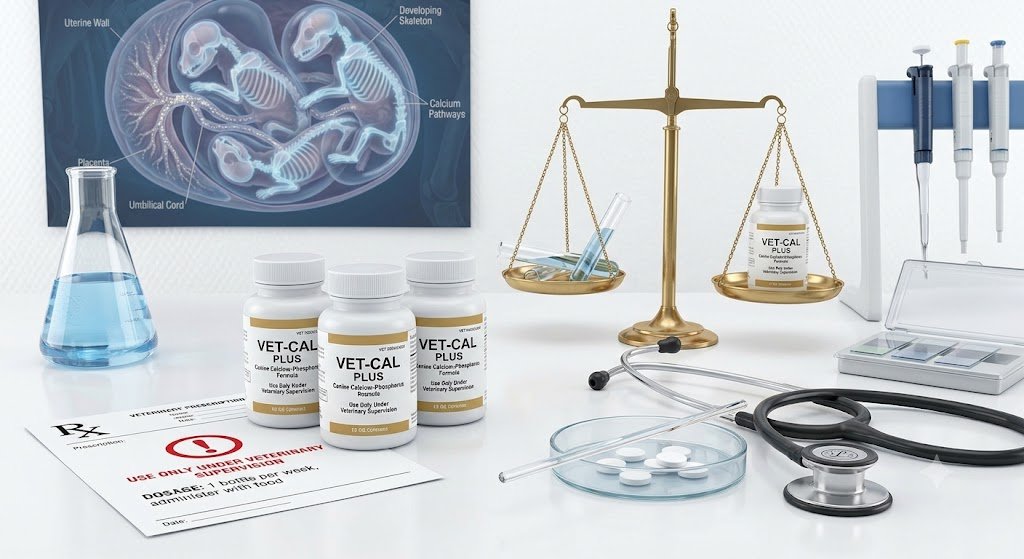
If supplementation is prescribed, the dosage, type of calcium, and duration should always follow veterinary recommendations. Never give over-the-counter calcium products based solely on internet advice or anecdotal recommendations.
| Calcium Source | Suitable During Dog Pregnancy? | Key Considerations |
|---|---|---|
| Complete commercial diet | ✔ Yes | Best option for balanced nutrition |
| Puppy or growth formula | ✔ Yes | Supports increased nutritional needs |
| Plain yogurt or cottage cheese | ✔ In moderation | Occasional supplement, not a complete source |
| Sardines with edible bones | ✔ Occasionally | Provides calcium and omega-3 fatty acids |
| Homemade diets | ✔ Only if professionally formulated | Must maintain proper nutrient balance |
| Calcium supplements | ✔ Only under veterinary guidance | Avoid routine supplementation |
Summary
The best source of calcium during dog pregnancy is a complete and balanced diet formulated for growth and reproduction. While certain natural foods contain calcium, they should only complement a balanced feeding plan. Calcium supplements should never be given routinely and should only be used when a veterinarian determines they are medically necessary.
Key Points
- A balanced commercial diet is the safest and most reliable calcium source.
- Puppy and reproduction formulas are often recommended during pregnancy and lactation.
- Natural calcium-rich foods can be offered in moderation but should not replace balanced nutrition.
- Homemade diets require professional formulation to ensure proper calcium balance.
- Routine calcium supplementation is unnecessary for most healthy pregnant dogs.
- Always consult a veterinarian before giving calcium supplements during dog pregnancy.

How to Support Healthy Calcium Balance
Maintaining a healthy calcium balance during dog pregnancy involves more than simply increasing calcium intake. Proper nutrition, balanced mineral ratios, and regular veterinary care all play important roles in supporting a healthy pregnancy. A well-planned feeding program helps ensure the mother receives enough calcium for fetal development and lactation without increasing the risk of nutritional imbalances.
For most healthy dogs, the focus should be on feeding a complete and balanced diet rather than relying on calcium supplements.
Follow a Balanced Feeding Plan
A high-quality diet formulated for growth and reproduction provides the nutrients a pregnant dog needs throughout gestation and nursing. These diets are designed to deliver appropriate levels of calcium, phosphorus, protein, healthy fats, vitamins, and trace minerals that work together to support maternal and fetal health.
As pregnancy progresses, especially during the final third of gestation, energy requirements increase. Instead of feeding larger meals, many veterinarians recommend offering smaller, more frequent meals to help the mother consume enough nutrients without discomfort.
Good feeding practices include:
- Choose a complete and balanced commercial dog food.
- Transition gradually to a growth or puppy formula when recommended.
- Feed smaller meals more frequently during late pregnancy.
- Ensure constant access to clean, fresh water.
- Monitor body condition to avoid excessive weight gain or weight loss.
Maintain the Right Nutrient Balance
Calcium does not work alone. Its absorption and utilization depend on other nutrients, particularly phosphorus and vitamin D. An imbalance between these nutrients can reduce calcium absorption and affect bone development in both the mother and her puppies.
Key nutrients that support calcium balance include:
- Phosphorus: Works with calcium to build healthy bones and teeth.
- Vitamin D: Helps the body absorb and regulate calcium effectively.
- High-quality protein: Supports fetal growth, tissue repair, and milk production.
- Essential fatty acids: Promote healthy fetal development and maternal health.
Feeding a diet that already contains these nutrients in the correct proportions is safer than trying to balance them through individual supplements.
Work Closely With Your Veterinarian
Regular veterinary checkups are an essential part of managing nutrition during dog pregnancy. A veterinarian can evaluate the mother’s body condition, monitor the progress of pregnancy, and determine whether dietary adjustments are necessary.
Veterinary guidance is especially important if:
- The dog has a history of pregnancy complications.
- A homemade diet is being fed.
- Multiple pregnancies have occurred.
- The litter is expected to be unusually large.
- There are concerns about appetite, weight loss, or nutritional deficiencies.
Never introduce calcium supplements or major dietary changes without professional advice, as inappropriate supplementation can increase the risk of postpartum hypocalcemia and other health complications.
| Healthy Practice | Benefit During Dog Pregnancy |
|---|---|
| Feed a complete and balanced diet | Provides appropriate calcium and essential nutrients |
| Offer smaller, frequent meals | Helps meet increasing energy needs |
| Maintain proper calcium-to-phosphorus balance | Supports healthy bone development |
| Ensure adequate vitamin D intake | Improves calcium absorption |
| Schedule regular veterinary checkups | Monitors maternal health and nutritional status |
| Avoid unnecessary supplements | Reduces the risk of calcium imbalance and eclampsia |
Summary
Supporting healthy calcium balance during dog pregnancy requires a balanced diet, proper nutrient ratios, and ongoing veterinary supervision. Rather than focusing solely on calcium intake, dog owners should provide complete nutrition that supports both the mother and her developing puppies throughout pregnancy and lactation.
Key Points
- Feed a complete and balanced diet formulated for growth and reproduction.
- Increase meal frequency during late pregnancy instead of dramatically increasing portion sizes.
- Calcium works together with phosphorus and vitamin D for proper absorption and bone development.
- Regular veterinary checkups help identify nutritional concerns before they become serious.
- Avoid calcium supplements unless they are specifically recommended by a veterinarian.
- Balanced nutrition is the most effective way to support a healthy pregnancy and successful lactation.
Supporting a Healthy Pregnancy With Proper Calcium Nutrition
Calcium during dog pregnancy is essential for maintaining the health of both the mother and her developing puppies. It supports fetal bone and teeth formation, normal muscle contractions, nerve signaling, heart function, and prepares the mother’s body for the increased nutritional demands of lactation. However, successful pregnancy nutrition depends on providing the right amount of calcium rather than simply increasing supplementation.
Key Recommendations for Dog Owners
Most healthy pregnant dogs can meet their calcium requirements by eating a complete and balanced diet formulated for growth and reproduction. These diets provide calcium in the proper ratio with phosphorus, vitamin D, and other essential nutrients that work together to support healthy pregnancy and nursing.
To promote optimal calcium balance during dog pregnancy:
- Feed a high-quality, nutritionally complete commercial diet.
- Transition to a growth or puppy formula when recommended by your veterinarian.
- Avoid giving calcium supplements unless they have been specifically prescribed.
- Monitor your dog’s appetite, body condition, and overall health throughout pregnancy.
- Continue providing appropriate nutrition during lactation, when calcium demands are highest.
- Schedule regular veterinary examinations before, during, and after pregnancy.
Final Takeaway
The importance of calcium during dog pregnancy extends far beyond building strong bones. Proper calcium nutrition helps support fetal development, protects the mother’s health, and prepares her body for successful nursing after whelping. At the same time, excessive calcium supplementation can interfere with the body’s natural calcium regulation and increase the risk of postpartum complications such as eclampsia.
By feeding a balanced, veterinarian-recommended diet and avoiding unnecessary supplements, dog owners can provide the nutritional support needed for a healthy pregnancy, a safer delivery, and strong, thriving puppies.
Summary
Calcium during dog pregnancy is a vital part of maternal and fetal health, but maintaining the correct balance is more important than providing excessive amounts. A complete and balanced diet, combined with regular veterinary care, is the safest and most effective way to meet changing calcium needs throughout pregnancy and lactation.
Key Points
- Calcium during dog pregnancy supports fetal growth, maternal health, and successful lactation.
- Balanced nutrition is more important than routine calcium supplementation.
- Most healthy pregnant dogs receive sufficient calcium from complete commercial diets.
- Excess calcium supplementation can increase the risk of postpartum hypocalcemia and eclampsia.
- Continue proper nutritional management throughout pregnancy and nursing.
- Regular veterinary guidance helps ensure a safe pregnancy and healthy litter.
Conclusion
Calcium during dog pregnancy is one of the most important nutrients for supporting both maternal health and healthy puppy development. It contributes to fetal bone and teeth formation, muscle contractions, nerve signaling, heart function, and prepares the mother for the increased nutritional demands of lactation. Providing the correct amount of calcium throughout pregnancy helps ensure a healthier gestation and supports the well-being of the entire litter.
While calcium is essential, more is not always better. Most healthy pregnant dogs receive adequate calcium from a complete and balanced diet formulated for growth and reproduction. Routine calcium supplementation is generally unnecessary and may interfere with the body’s natural calcium regulation, increasing the risk of postpartum hypocalcemia (eclampsia). Dog owners should prioritize balanced nutrition, monitor their dog’s health throughout pregnancy, and seek veterinary advice before introducing supplements or making significant dietary changes.
Ultimately, maintaining proper calcium balance rather than simply increasing calcium intake is the key to a healthy pregnancy. With a high-quality diet, regular veterinary care, and informed nutritional management, owners can help their pregnant dog experience a safer pregnancy, successful whelping, and provide her puppies with the best possible start in life.
Summary
Calcium during dog pregnancy is essential for maternal health, fetal development, and successful lactation. A balanced diet, appropriate veterinary care, and avoiding unnecessary calcium supplementation are the safest ways to support a healthy pregnancy and reduce the risk of calcium-related complications.
Key Points
- Calcium supports fetal skeletal development and the mother’s overall health.
- Balanced nutrition is more important than routine calcium supplementation.
- Most pregnant dogs receive sufficient calcium from a complete and balanced commercial diet.
- Excess calcium supplementation can increase the risk of postpartum eclampsia.
- Regular veterinary guidance and proper nutrition help ensure a healthy pregnancy, safe delivery, and thriving puppies.
Frequently Asked Questions (FAQs)
1. Why is calcium important during dog pregnancy?
Calcium during dog pregnancy is essential for fetal bone and teeth development, muscle contractions, nerve function, heart health, and preparing the mother for lactation. It also helps maintain the mother’s overall health throughout pregnancy.
2. Should I give my pregnant dog calcium supplements?
Not usually. Most healthy pregnant dogs receive enough calcium from a complete and balanced commercial diet formulated for growth and reproduction. Calcium supplements should only be given under veterinary guidance, as unnecessary supplementation can increase the risk of postpartum hypocalcemia (eclampsia).
3. What happens if a pregnant dog doesn’t get enough calcium?
Insufficient calcium can lead to hypocalcemia, which may cause muscle tremors, weakness, panting, restlessness, seizures, and, in severe cases, eclampsia after the puppies are born. Prompt veterinary treatment is essential if these symptoms occur.
4. Can too much calcium harm a pregnant dog?
Yes. Excessive calcium supplementation can interfere with the body’s natural calcium regulation, increasing the likelihood of postpartum calcium deficiency and other nutritional imbalances. More calcium is not always better.
5. What foods are good sources of calcium for pregnant dogs?
The best source is a complete and balanced commercial diet. Some natural foods, such as plain yogurt, cottage cheese, and sardines with edible bones, contain calcium but should only be offered in moderation and should not replace a nutritionally balanced diet.
6. When does a pregnant dog need the most calcium?
Although calcium is important throughout pregnancy, the greatest calcium demand occurs during lactation when the mother produces milk to feed her puppies.
7. How can I maintain healthy calcium levels during dog pregnancy?
Feed a balanced diet designed for growth and reproduction, avoid unnecessary supplements, provide fresh water, schedule regular veterinary checkups, and continue proper nutrition throughout pregnancy and nursing.