Dog UTI symptoms are often the first indication that a urinary tract infection is affecting your dog’s urinary system. These infections commonly involve the bladder and urethra, causing discomfort, changes in urination habits, and other urinary issues. Recognizing the symptoms early can help prevent the infection from progressing and reduce the risk of more serious complications.
What Is a Urinary Tract Infection in Dogs?
A urinary tract infection (UTI) occurs when bacteria enter and multiply within a dog’s urinary tract. Most infections affect the lower urinary tract, particularly the bladder and urethra. While UTIs can occur in any dog, female dogs are generally at a higher risk because bacteria can reach the bladder more easily.
A dog UTI is also commonly referred to as:
- Dog bladder infection
- Canine urinary tract infection
- Urinary infection in dogs
- Bacterial urinary infection
How UTIs Affect a Dog’s Urinary System
When bacteria invade the urinary tract, they irritate the lining of the bladder and surrounding tissues. This irritation leads to inflammation, making urination uncomfortable and increasing the urge to urinate.
As the infection develops, dogs may experience:
- Frequent urination
- Straining while urinating
- Pain during urination
- Changes in urine color or odor
- Increased licking of the genital area
If left untreated, the infection can spread to the kidneys and lead to more serious health problems.
Why Early Detection Matters
Many dog UTI symptoms begin gradually and may initially seem minor. However, delaying treatment can allow the infection to worsen and increase the risk of complications.
Early detection is important because it can:
- Reduce pain and discomfort
- Prevent the infection from spreading
- Lower the risk of kidney involvement
- Improve treatment success rates
- Help identify underlying health conditions that may be contributing to recurrent UTIs
Prompt veterinary care is the best way to confirm a urinary tract infection and begin appropriate treatment.
Summary
A urinary tract infection in dogs is a bacterial infection that commonly affects the bladder and urethra. These infections can cause frequent urination, pain, urinary accidents, and other noticeable changes in urinary habits. Identifying dog UTI symptoms early can help ensure faster treatment and prevent more serious complications.
Key Points
- Dog UTIs are commonly caused by bacterial infections.
- The bladder and urethra are the most frequently affected parts of the urinary tract.
- Female dogs are generally more prone to developing UTIs.
- Untreated infections may spread and lead to more serious health issues.
- Early recognition of dog UTI symptoms improves treatment outcomes and recovery.
More About Dog : Dog pregnancy Guide

Common Dog UTI Symptoms to Watch For
Dog UTI symptoms can vary from mild urinary changes to obvious signs of discomfort. Some dogs show only one symptom, while others experience multiple symptoms at the same time. Recognizing these warning signs early can help prevent the infection from worsening and reduce the risk of complications affecting the bladder or kidneys.
Frequent Urination
Frequent urination is one of the most common symptoms of a urinary tract infection in dogs. Affected dogs may need to go outside more often than usual and may squat repeatedly while passing only small amounts of urine.
Straining or Difficulty Urinating
Inflammation within the urinary tract can make urination painful and difficult. Dogs may strain, take longer to urinate, or repeatedly attempt to urinate without producing much urine.
Accidents Inside the House
A previously house-trained dog that suddenly starts having accidents indoors may be suffering from a UTI. The constant urge to urinate can make it difficult for the dog to wait until its next bathroom break.
Blood in the Urine
Blood in the urine is a common warning sign of a dog urinary tract infection. Depending on the severity, the urine may appear pink, red, or slightly discolored.
Cloudy or Foul-Smelling Urine
Changes in urine appearance and odor can indicate bacterial growth within the urinary tract. Urine may become cloudy and develop a stronger or unusual smell compared to normal urine.
Licking the Genital Area Excessively
Dogs often lick irritated areas to relieve discomfort. Excessive licking around the urinary opening or genital region can be a sign of inflammation or infection.
Pain or Discomfort During Urination
Some dogs show clear signs of pain while urinating. They may whine, cry, appear restless, or seem uncomfortable when attempting to empty their bladder.
Changes in Urine Volume
Although dogs with UTIs often urinate more frequently, they may produce only small amounts of urine each time. This occurs because bladder irritation creates a constant feeling of needing to urinate.
Summary
The most common dog UTI symptoms include frequent urination, straining to urinate, blood in the urine, cloudy urine, unusual urine odor, excessive genital licking, and discomfort during urination. These symptoms typically indicate irritation or infection within the urinary tract and should be evaluated by a veterinarian.
Key Points
- Frequent urination is one of the earliest signs of a dog UTI.
- Straining and painful urination commonly occur with urinary infections.
- Blood in the urine should never be ignored.
- Cloudy or foul-smelling urine may indicate bacterial infection.
- House accidents can occur even in well-trained dogs.
- Early recognition of dog UTI symptoms can help prevent complications.
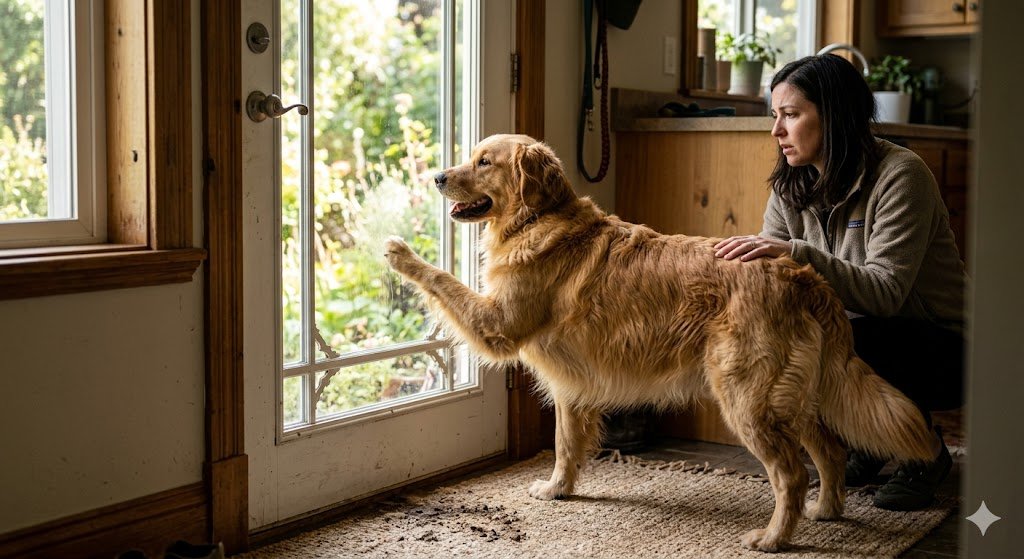
Early Warning Signs of a Dog UTI
Early dog UTI symptoms are often subtle and can be easy to overlook. Many dogs continue to eat, play, and behave normally while showing minor urinary changes. Recognizing these early warning signs can help owners seek veterinary care before the infection becomes more severe.
Small Changes in Bathroom Habits
One of the earliest signs of a urinary tract infection is a change in a dog’s normal urination routine. Dogs may ask to go outside more frequently, spend longer trying to urinate, or urinate in smaller amounts than usual.
Even slight changes in bathroom habits can indicate that the urinary tract is becoming irritated.
Increased Thirst
Some dogs with a developing UTI may start drinking more water than normal. Increased water consumption can occur as the body attempts to flush bacteria from the urinary system.
While increased thirst does not always indicate a UTI, it can be a warning sign when combined with other urinary symptoms.
Restlessness and Discomfort
Dogs experiencing the early stages of a urinary tract infection may appear restless or uncomfortable. They may frequently change positions, struggle to settle down, or show mild signs of irritation.
This discomfort often results from bladder inflammation and the constant urge to urinate.
Mild Urinary Leakage
Small urine leaks can occur when a dog loses some control over its bladder because of irritation caused by the infection. Owners may notice small wet spots where the dog has been resting or sleeping.
Although urinary leakage can have several causes, it is commonly associated with urinary tract problems.
More Frequent Genital Licking
Dogs often respond to irritation by licking the affected area. An increase in genital licking may indicate discomfort within the urinary tract before more obvious symptoms appear.
Persistent licking should not be ignored, especially when accompanied by changes in urination habits.
Urinating Small Amounts Frequently
A dog with an early UTI may repeatedly attempt to urinate but pass only a small amount of urine each time. This occurs because bladder inflammation creates a constant sensation of needing to urinate.
Many owners mistake this symptom for behavioral changes when it is actually a common sign of infection.
Summary
Early dog UTI symptoms often include subtle urinary changes such as increased bathroom trips, mild urinary leakage, increased thirst, restlessness, and frequent genital licking. Identifying these warning signs early can help prevent the infection from progressing and reduce the risk of complications.
Key Points
- Early UTI symptoms are often mild and easy to miss.
- Small changes in urination habits can be an important warning sign.
- Increased thirst may accompany urinary tract infections.
- Restlessness and mild discomfort can occur before severe symptoms develop.
- Frequent genital licking may indicate urinary irritation.
- Early veterinary evaluation can help prevent the infection from worsening.

Severe Dog UTI Symptoms That Need Immediate Veterinary Attention
While many urinary tract infections begin with mild symptoms, some can progress into serious medical conditions if left untreated. Severe dog UTI symptoms may indicate a worsening infection, urinary blockage, or kidney involvement. These signs require prompt veterinary evaluation to prevent potentially life-threatening complications.
Inability to Urinate
A dog that repeatedly attempts to urinate but produces little or no urine may be experiencing a urinary obstruction or severe inflammation. This is considered a medical emergency because waste products can quickly build up in the body.
Immediate veterinary care is necessary if a dog cannot urinate normally.
Large Amounts of Blood in the Urine
A small amount of blood can occur with some UTIs, but significant or persistent bleeding may indicate a more serious infection or another underlying urinary condition.
Dark red, bright red, or heavily blood-tinged urine should always be evaluated by a veterinarian as soon as possible.
Fever and Lethargy
As an infection becomes more severe, some dogs develop a fever and experience a noticeable decrease in energy levels. They may sleep more than usual, appear weak, or show little interest in normal activities.
These symptoms can suggest that the infection is spreading beyond the lower urinary tract.
Vomiting and Loss of Appetite
Dogs with advanced urinary tract infections may begin refusing food or develop nausea and vomiting. These symptoms often occur when the infection affects the kidneys or causes significant inflammation within the body.
Loss of appetite combined with urinary symptoms should never be ignored.
Signs of a Kidney Infection
If bacteria travel from the bladder to the kidneys, the infection can become much more serious. Kidney infections often produce systemic symptoms that affect the dog’s overall health.
Common signs include:
- Fever
- Lethargy
- Vomiting
- Loss of appetite
- Weight loss
- Increased thirst
- Increased urination
Severe Pain During Urination
A dog experiencing severe pain while urinating may cry, whine, pace, or become anxious when attempting to relieve itself. Significant pain is a strong indication that the urinary tract requires immediate medical attention.
Abdominal Pain or Swelling
Some dogs with severe urinary tract problems develop discomfort in the lower abdomen. They may resist being touched, adopt unusual postures, or show signs of abdominal tenderness.
Abdominal swelling accompanied by urinary symptoms can indicate a serious underlying issue.
Summary
Severe dog UTI symptoms include an inability to urinate, significant blood in the urine, fever, lethargy, vomiting, loss of appetite, kidney infection signs, and severe pain during urination. These symptoms may indicate a serious infection or complication and require immediate veterinary care.
Key Points
- An inability to urinate is a medical emergency.
- Heavy blood in the urine should be evaluated immediately.
- Fever and lethargy can indicate a spreading infection.
- Vomiting and appetite loss may signal kidney involvement.
- Severe pain during urination should never be ignored.
- Prompt veterinary treatment can help prevent life-threatening complications.
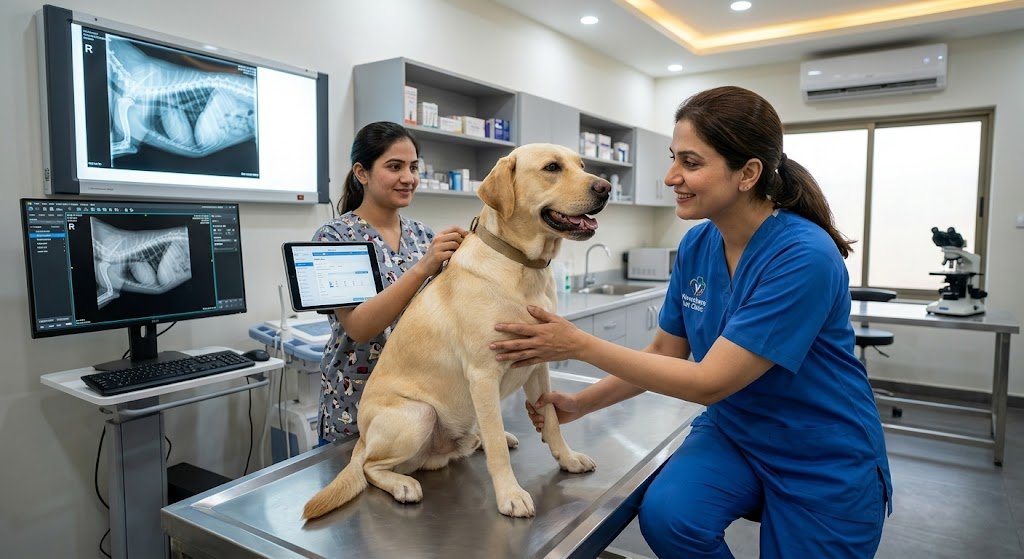
What Causes UTIs in Dogs
Understanding what causes UTIs in dogs can help owners identify risk factors and take steps to protect their dog’s urinary health. Most urinary tract infections occur when bacteria enter the urinary tract and multiply, but several underlying conditions can increase the likelihood of infection.
Bacterial Infections
Bacteria are the most common cause of urinary tract infections in dogs. In most cases, bacteria from the skin or surrounding environment enter the urethra and travel into the bladder, where they begin to multiply.
The resulting infection irritates the urinary tract and leads to many of the common dog UTI symptoms, including frequent urination, discomfort, and blood in the urine.
Urinary Stones
Bladder stones and other urinary stones can irritate the lining of the urinary tract and create an environment where bacteria can thrive. These stones may also interfere with normal urine flow, increasing the risk of infection.
Dogs with recurrent UTIs are often evaluated for urinary stones as a possible underlying cause.
Weakened Immune System
A weakened immune system can make it more difficult for a dog to fight off bacteria that enter the urinary tract. Dogs with compromised immune function may be more susceptible to both initial infections and recurring UTIs.
Older dogs and dogs with chronic illnesses are often at greater risk.
Diabetes and Other Medical Conditions
Certain health conditions can increase the likelihood of urinary tract infections. Diabetes, in particular, can create favorable conditions for bacterial growth due to increased sugar levels in the urine.
Other conditions linked to recurrent UTIs include:
- Cushing’s disease
- Kidney disease
- Hormonal imbalances
- Neurological disorders affecting bladder function
Anatomical Abnormalities
Some dogs are born with structural abnormalities that affect the urinary tract. These abnormalities may interfere with normal urine flow or allow bacteria to enter the urinary system more easily.
Although less common, anatomical issues can contribute to repeated urinary tract infections and may require additional veterinary evaluation.
Poor Hygiene
Poor hygiene around the genital area can increase bacterial exposure and raise the risk of infection. Dogs with long hair around the urinary opening or dogs that frequently sit in dirty environments may be more prone to developing UTIs.
Regular grooming and cleanliness can help reduce this risk.
Incomplete Bladder Emptying
When a dog is unable to fully empty its bladder, urine remains in the urinary tract for longer periods. Stagnant urine provides an environment where bacteria can multiply and increase the likelihood of infection.
This issue may be associated with aging, neurological conditions, or urinary tract abnormalities.
Summary
Most UTIs in dogs are caused by bacterial infections, but factors such as urinary stones, diabetes, weakened immunity, anatomical abnormalities, poor hygiene, and incomplete bladder emptying can also contribute. Identifying the underlying cause is important for effective treatment and preventing future infections.
Key Points
- Bacterial infections are the leading cause of dog UTIs.
- Urinary stones can increase the risk of infection.
- Diabetes and certain medical conditions may contribute to recurrent UTIs.
- A weakened immune system can make infections more likely.
- Anatomical abnormalities may lead to chronic urinary problems.
- Treating the underlying cause helps reduce the risk of future UTIs.

Risk Factors That Increase the Chance of Dog UTIs
While any dog can develop a urinary tract infection, certain factors make some dogs more susceptible than others. Understanding these risk factors can help owners recognize potential issues early and take preventive measures to support long-term urinary health.
Age and Senior Dogs
As dogs age, their immune system may become less effective at fighting infections. Senior dogs are also more likely to develop health conditions that increase the risk of UTIs, such as diabetes, kidney disease, or bladder dysfunction.
Because of these age-related changes, older dogs tend to experience urinary tract infections more frequently than younger dogs.
Female Dogs vs Male Dogs
Female dogs generally have a higher risk of developing UTIs than male dogs. Their shorter and wider urethra allows bacteria to reach the bladder more easily, increasing the likelihood of infection.
Although UTIs are less common in male dogs, they can still occur and often require thorough veterinary evaluation to identify underlying causes.
Poor Hygiene
Dogs that have poor hygiene around the genital area may be exposed to higher levels of bacteria. Moisture, dirt, and fecal contamination can increase the chance of bacteria entering the urinary tract.
Regular grooming and keeping the area clean can help reduce this risk.
Chronic Health Conditions
Several medical conditions can make dogs more vulnerable to urinary tract infections. These conditions may weaken the immune system, alter urine composition, or affect normal bladder function.
Common conditions associated with increased UTI risk include:
- Diabetes
- Kidney disease
- Cushing’s disease
- Obesity
- Neurological disorders
History of Urinary Problems
Dogs that have experienced UTIs in the past are often more likely to develop future infections. Recurring urinary issues may indicate an underlying condition that has not been fully resolved.
Repeated infections should always be investigated to identify contributing factors and prevent long-term complications.
Urinary Stones
Bladder stones can irritate the urinary tract and provide surfaces where bacteria can accumulate. Dogs with urinary stones are often at a higher risk of developing recurrent urinary tract infections.
Treating both the infection and the stones is important for preventing future problems.
Reduced Water Intake
Dogs that do not drink enough water may produce more concentrated urine, which can make it easier for bacteria to multiply within the urinary tract.
Proper hydration supports healthy urine flow and helps flush bacteria from the urinary system.
Summary
Several factors can increase a dog’s risk of developing a urinary tract infection, including age, sex, poor hygiene, chronic health conditions, urinary stones, and inadequate water intake. Understanding these risk factors can help owners take preventive steps and recognize symptoms earlier.
Key Points
- Senior dogs are more prone to UTIs than younger dogs.
- Female dogs generally face a higher risk than male dogs.
- Poor hygiene can increase bacterial exposure.
- Chronic medical conditions may contribute to recurrent infections.
- Urinary stones are a common risk factor for UTIs.
- Proper hydration supports urinary tract health and may reduce infection risk.

How Veterinarians Diagnose a Dog UTI
Because several urinary conditions can cause symptoms similar to a urinary tract infection, a proper veterinary diagnosis is essential. Veterinarians use a combination of physical examinations, urine testing, and diagnostic procedures to confirm a UTI and identify any underlying health issues contributing to the infection.
Physical Examination
The diagnostic process typically begins with a thorough physical examination. The veterinarian will review the dog’s symptoms, medical history, and recent changes in behavior or urination habits.
During the examination, the vet may assess:
- Bladder discomfort
- Abdominal tenderness
- Hydration status
- Overall health condition
- Signs of underlying disease
Urinalysis
Urinalysis is one of the most important tests used to diagnose a dog UTI. A urine sample is analyzed to look for abnormalities that may indicate infection or inflammation.
A urinalysis can detect:
- Bacteria
- White blood cells
- Red blood cells
- Crystals
- Protein abnormalities
- Urine concentration levels
This test provides valuable information about the health of the urinary tract and helps guide treatment decisions.
Urine Culture Testing
A urine culture is often recommended to identify the specific bacteria causing the infection. The sample is sent to a laboratory where the bacteria are grown and analyzed.
This test helps veterinarians:
- Confirm the presence of infection
- Identify the bacterial species
- Determine which antibiotics are most effective
Urine culture testing is particularly useful for recurring or severe urinary tract infections.
Imaging and Additional Tests
If the veterinarian suspects an underlying condition, additional diagnostic tests may be recommended. Imaging studies can help identify abnormalities that are not visible through urine testing alone.
Common diagnostic tools include:
- X-rays
- Ultrasound examinations
- Blood tests
- Advanced urinary tract imaging
These tests can detect issues such as bladder stones, tumors, kidney disease, or structural abnormalities.
Diagnosis Methods Comparison
| Diagnostic Method | Purpose | What It Detects |
|---|---|---|
| Physical Examination | Evaluate symptoms and overall health | Pain, swelling, clinical signs |
| Urinalysis | Analyze urine composition | Bacteria, blood, inflammation |
| Urine Culture | Identify infectious organisms | Specific bacteria and antibiotic sensitivity |
| X-rays | Examine urinary structures | Bladder stones and abnormalities |
| Ultrasound | Assess internal organs | Stones, masses, kidney issues |
| Blood Tests | Evaluate overall health | Infection, kidney function, underlying disease |
Why Accurate Diagnosis Is Important
Many urinary conditions share similar symptoms. Problems such as bladder stones, kidney disease, urinary incontinence, and tumors can mimic dog UTI symptoms.
Accurate diagnosis helps ensure:
- Proper treatment selection
- Faster recovery
- Reduced risk of complications
- Identification of underlying causes
- Prevention of recurring infections
Summary
Veterinarians diagnose dog UTIs using physical examinations, urinalysis, urine culture testing, and diagnostic imaging when necessary. These tests help confirm the infection, identify the bacteria involved, and uncover underlying conditions that may contribute to urinary problems.
Key Points
- A veterinary diagnosis is necessary to confirm a dog UTI.
- Urinalysis is one of the primary diagnostic tools.
- Urine cultures identify the exact bacteria causing the infection.
- Imaging tests can reveal bladder stones and other urinary abnormalities.
- Accurate diagnosis helps guide effective treatment and prevent recurrence.
- Several urinary conditions can mimic dog UTI symptoms.
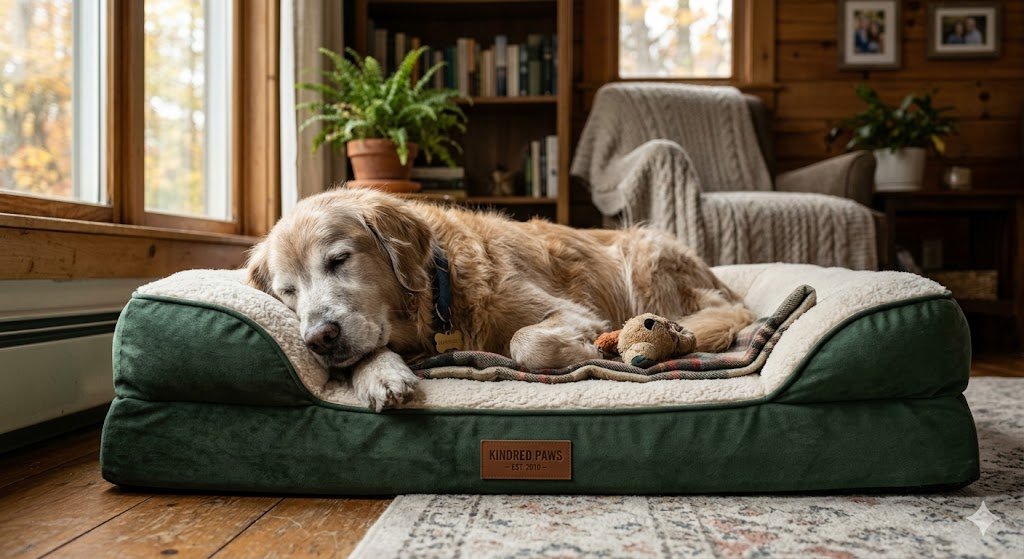
Treatment Options for Dog UTIs
The treatment for a dog urinary tract infection depends on the severity of the infection, the bacteria involved, and whether an underlying condition is contributing to the problem. Most dogs recover well when treatment begins early and the full treatment plan is followed as prescribed by a veterinarian.
Antibiotic Therapy
Antibiotics are the most common treatment for bacterial urinary tract infections in dogs. The specific antibiotic may vary depending on the results of a urine culture and sensitivity test.
It is important to complete the entire course of medication, even if the dog appears to improve before treatment is finished. Stopping antibiotics too early can allow the infection to return.
Pain Management
Some dogs experience significant discomfort while urinating. In these cases, veterinarians may recommend medications to help reduce pain and inflammation during recovery.
Pain management can improve comfort and encourage normal urination while the infection is being treated.
Hydration Support
Adequate hydration plays an important role in recovery. Drinking more water helps dilute urine and flush bacteria from the urinary tract.
Owners can encourage hydration by:
- Providing fresh water at all times
- Cleaning water bowls regularly
- Offering multiple water sources
- Feeding moisture-rich foods when appropriate
Managing Underlying Conditions
If an underlying health problem is contributing to recurring infections, that condition must also be addressed. Treating only the infection may provide temporary relief while allowing future UTIs to develop.
Common underlying causes that may require treatment include:
- Bladder stones
- Diabetes
- Kidney disease
- Hormonal disorders
- Anatomical abnormalities
Follow-Up Testing
Many veterinarians recommend follow-up urine testing after treatment is completed. This helps confirm that the infection has been successfully eliminated and allows early detection of any remaining bacteria.
Follow-up testing is especially important for dogs with recurrent UTIs or chronic urinary tract issues.
Treatment Options Comparison
| Treatment Option | Purpose | Typical Use |
|---|---|---|
| Antibiotics | Eliminate bacterial infection | Most bacterial UTIs |
| Pain Medication | Reduce discomfort and inflammation | Painful urination and bladder irritation |
| Hydration Support | Flush bacteria and support urinary health | Throughout recovery |
| Underlying Condition Management | Prevent recurring infections | Chronic or recurrent UTIs |
| Follow-Up Testing | Confirm treatment success | After completing treatment |
Can Dog UTIs Be Treated at Home?
Home care can support recovery, but a true bacterial urinary tract infection typically requires veterinary diagnosis and treatment. Home remedies should never replace professional veterinary care, especially when symptoms are severe or persistent.
Prompt treatment helps reduce discomfort and lowers the risk of complications affecting the bladder or kidneys.
Summary
Most dog UTIs are treated with antibiotics, supportive care, and management of any underlying health conditions. Hydration, pain relief, and follow-up testing can also play important roles in recovery. Early treatment generally leads to better outcomes and reduces the likelihood of complications.
Key Points
- Antibiotics are the primary treatment for most dog UTIs.
- Completing the full course of medication is essential.
- Hydration helps support urinary tract health during recovery.
- Underlying conditions should be treated to prevent recurrence.
- Follow-up testing may be needed to confirm the infection is gone.
- Home care can support recovery but should not replace veterinary treatment.
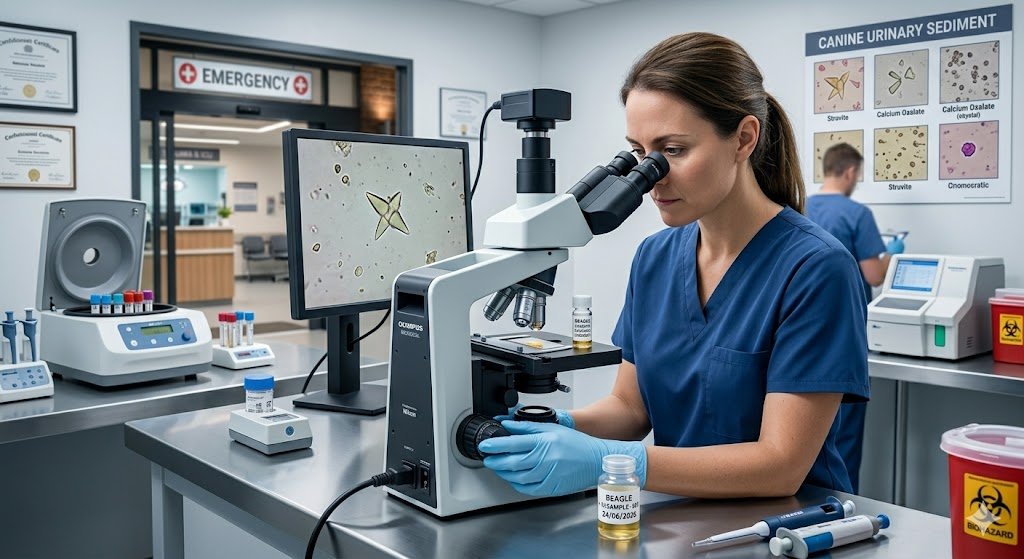
Supporting Recovery at Home
While veterinary treatment is essential for managing a dog UTI, proper home care can help support recovery and improve comfort during the healing process. Following your veterinarian’s instructions closely can reduce the risk of complications and help your dog recover more quickly.
Encouraging Water Intake
Keeping your dog well-hydrated is one of the most important aspects of recovery. Increased water intake helps dilute urine and supports the body’s natural ability to flush bacteria from the urinary tract.
Ways to encourage drinking include:
- Providing fresh, clean water throughout the day
- Using multiple water bowls around the home
- Cleaning water bowls regularly
- Adding moisture-rich foods when recommended by your veterinarian
Providing Frequent Bathroom Breaks
Dogs recovering from a urinary tract infection may need more opportunities to urinate. Frequent bathroom breaks help prevent urine from remaining in the bladder for long periods and can reduce discomfort.
Allowing regular access to outdoor bathroom areas may also help minimize accidents indoors.
Monitoring Symptoms
Closely observing your dog’s symptoms during recovery is important. Improvements are often noticeable within a few days of starting treatment, but symptoms should continue to be monitored until the treatment course is complete.
Watch for:
- Persistent straining
- Blood in the urine
- Increased frequency of urination
- Reduced appetite
- Lethargy
- Worsening discomfort
Any worsening symptoms should be reported to your veterinarian promptly.
Following Medication Instructions
Medications should be administered exactly as prescribed. Skipping doses or ending treatment early can increase the risk of the infection returning.
Owners should:
- Give medications on schedule
- Complete the full treatment course
- Follow dosage instructions carefully
- Contact the veterinarian if side effects occur
Maintaining a Clean Environment
A clean living environment can help reduce exposure to bacteria and support overall health during recovery. Bedding, water bowls, and areas where the dog spends time should be kept clean and dry.
Good hygiene is particularly important for dogs prone to recurring urinary tract infections.
Reducing Stress During Recovery
Stress can affect a dog’s overall well-being and recovery process. Providing a calm environment, maintaining a consistent routine, and allowing adequate rest can help support healing.
Dogs recovering from illness generally benefit from a comfortable and low-stress environment.
Summary
Home care plays an important supporting role in the recovery process for dogs with UTIs. Encouraging hydration, providing frequent bathroom breaks, monitoring symptoms, following medication instructions, maintaining cleanliness, and reducing stress can all contribute to a smoother recovery.
Key Points
- Proper hydration supports urinary tract health and recovery.
- Frequent bathroom breaks can reduce bladder discomfort.
- Monitor symptoms closely throughout treatment.
- Complete all medications exactly as prescribed.
- Maintain a clean environment to reduce bacterial exposure.
- Contact your veterinarian if symptoms worsen or fail to improve.
How to Help Prevent Future UTIs in Dogs
Although not every urinary tract infection can be prevented, certain habits can significantly reduce the risk of future infections. Good urinary health, proper hygiene, and regular veterinary care play important roles in preventing recurring dog UTI symptoms and supporting long-term bladder health.
Maintain Proper Hydration
Adequate water intake helps flush bacteria from the urinary tract and promotes healthy urine production. Dogs that stay well-hydrated are generally less likely to develop conditions that encourage bacterial growth.
To support hydration:
- Provide fresh water at all times
- Clean water bowls regularly
- Monitor daily water consumption
- Encourage drinking during hot weather and after exercise
Schedule Regular Veterinary Checkups
Routine veterinary visits can help identify urinary issues before they become serious. Regular examinations may detect underlying health conditions that increase the risk of urinary tract infections.
Preventive checkups are especially important for:
- Senior dogs
- Dogs with previous UTIs
- Dogs with chronic health conditions
- Breeds prone to urinary problems
Practice Good Hygiene
Keeping the genital area clean can help reduce bacterial contamination around the urinary opening. This is particularly important for long-haired dogs and dogs that are prone to recurring infections.
Helpful hygiene practices include:
- Regular grooming
- Trimming excess hair around the genital area
- Cleaning soiled fur when necessary
- Maintaining a clean living environment
Manage Underlying Health Conditions
Recurring UTIs are often linked to medical conditions that affect the urinary system. Proper management of these conditions can help lower the likelihood of future infections.
Conditions commonly associated with recurrent UTIs include:
- Diabetes
- Kidney disease
- Bladder stones
- Hormonal disorders
- Neurological conditions
Monitor Urinary Habits
Changes in urination patterns are often among the first signs of urinary tract problems. Monitoring your dog’s normal bathroom habits can help you recognize potential issues early.
Watch for:
- Increased urination frequency
- Straining to urinate
- Accidents indoors
- Blood in the urine
- Changes in urine odor or appearance
Provide Regular Bathroom Opportunities
Holding urine for extended periods can contribute to urinary health issues in some dogs. Allowing regular bathroom breaks helps support normal bladder function and may reduce bacterial buildup.
Dogs should have consistent opportunities to urinate throughout the day.
Prevention Checklist
| Prevention Method | Benefit |
|---|---|
| Proper Hydration | Helps flush bacteria from the urinary tract |
| Regular Vet Visits | Detects problems before they become serious |
| Good Hygiene | Reduces bacterial exposure |
| Managing Medical Conditions | Lowers the risk of recurring infections |
| Monitoring Urinary Habits | Supports early detection |
| Frequent Bathroom Breaks | Promotes healthy bladder function |
Summary
Preventing future UTIs in dogs involves a combination of proper hydration, routine veterinary care, good hygiene, management of underlying conditions, and monitoring urinary habits. These preventive measures can help reduce the risk of infection and support long-term urinary tract health.
Key Points
- Hydration is one of the most effective ways to support urinary health.
- Regular veterinary checkups can help detect risk factors early.
- Good hygiene reduces bacterial contamination.
- Underlying medical conditions should be properly managed.
- Monitoring urinary habits can help identify problems quickly.
- Consistent bathroom opportunities support healthy bladder function.
Conclusion
Dog UTI symptoms can range from mild urinary changes to serious warning signs that require immediate veterinary attention. Common symptoms include frequent urination, straining, blood in the urine, urinary accidents, and discomfort while urinating. Early diagnosis and treatment are important to prevent complications and support a faster recovery. By understanding the symptoms, causes, risk factors, treatment options, and prevention strategies, dog owners can take proactive steps to protect their pet’s urinary health and overall well-being.
FAQs
What are the first signs of a UTI in dogs?
The earliest signs often include frequent urination, straining to urinate, increased genital licking, and small changes in normal bathroom habits.
How do I know if my dog has a urinary tract infection?
Common dog UTI symptoms include frequent urination, blood in the urine, cloudy urine, foul-smelling urine, and discomfort during urination. A veterinarian can confirm the diagnosis through urine testing.
Can a dog UTI go away on its own?
Most bacterial UTIs require veterinary treatment. Untreated infections can worsen and potentially spread to the kidneys.
Is blood in a dog’s urine always a UTI?
No. Blood in the urine can also be caused by bladder stones, kidney disease, tumors, trauma, or other urinary tract conditions.
How long does a dog UTI last?
Many uncomplicated UTIs improve within a few days of treatment, but the full course of medication should always be completed as prescribed.
Are female dogs more likely to get UTIs?
Yes. Female dogs generally have a higher risk because their shorter urethra allows bacteria to reach the bladder more easily.
When should I take my dog to the vet for a UTI?
You should contact a veterinarian if your dog shows signs of urinary discomfort, blood in the urine, frequent urination, straining, or inability to urinate.