A puppy vaccination schedule is a structured veterinary timeline that shows when puppies should receive specific vaccines to protect them from serious infectious diseases. It is designed based on how a puppy’s immune system develops after birth and how long maternal antibodies remain active.
This schedule typically includes core vaccines (essential for all puppies) and non-core vaccines (based on risk exposure), forming a complete immunization plan during the first year of life.
Why Vaccination Timing Matters for Puppies
Puppies are born with partial immunity from their mother’s milk (colostrum), but this protection weakens over time. As maternal antibodies drop, puppies become vulnerable to diseases like parvovirus and distemper.
Proper timing ensures:
- Early protection before exposure to infections
- No gap between maternal immunity loss and vaccine protection
- Strong long-term immune response through boosters
Even a slight delay can create a “risk window” where puppies are unprotected.
Core Goal of a Vaccination Plan
The main purpose of a puppy vaccination plan is to build reliable, long-term immunity against life-threatening diseases while minimizing health risks during early development.
A standard vaccination plan aims to:
- Strengthen immune response step by step
- Prevent fatal viral and bacterial infections
- Establish lifelong protection through boosters
- Ensure safe socialization with other dogs
Summary
A puppy vaccination schedule is a medically guided timeline that ensures puppies receive vaccines at the correct age to build immunity against dangerous diseases. It bridges the gap between maternal antibody protection and long-term immune defense.
Keypoints
- Puppies need structured vaccination due to developing immunity
- Maternal antibodies decrease after birth, creating vulnerability
- Timing is critical to avoid infection risk gaps
- Core vaccines protect against life-threatening diseases
- Booster shots strengthen long-term immunity
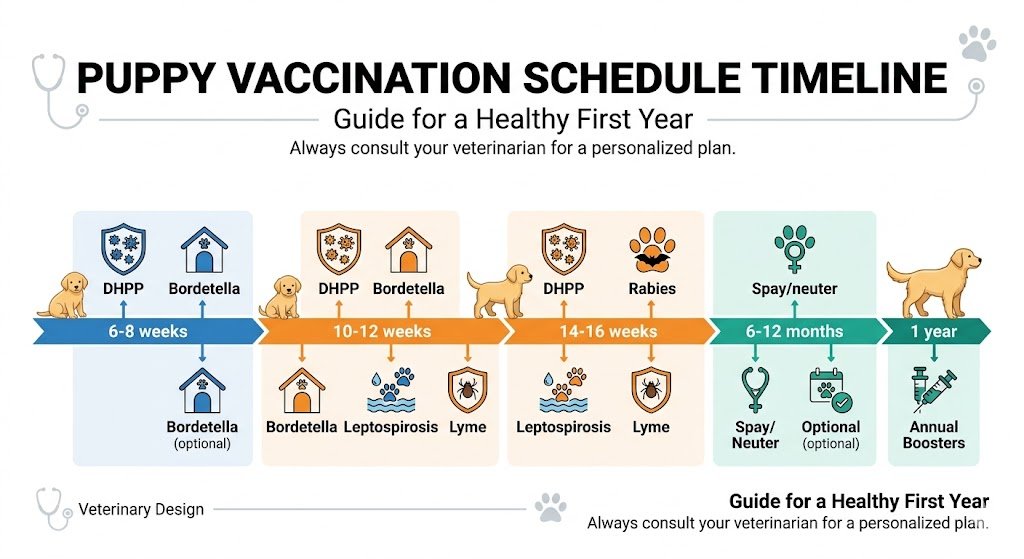
Puppy Vaccination Schedule by Age (Complete Timeline)
The Puppy Vaccination Schedule by Age is a structured timeline that starts at 6–8 weeks of age and continues through booster doses up to adulthood. It outlines when puppies should receive core vaccines like DHPP and rabies, along with follow-up boosters to build strong, long-term immunity against serious infectious diseases while ensuring safe and healthy development.
6–8 Weeks Vaccination Stage
At this stage, puppies usually receive their first set of core vaccines. The immune system is still developing, so this dose acts as the foundation of protection.
Common vaccines given:
- DHPP (Distemper, Hepatitis, Parvovirus, Parainfluenza)
- Sometimes Bordetella (depending on risk exposure)
Key purpose:
- Start building early immunity
- Protect against highly contagious viral diseases
- Begin structured immunization process
Important note:
- Puppies are still partially protected by maternal antibodies, so multiple doses are required later.
10–12 Weeks Vaccination Stage
This phase strengthens immunity with booster doses of earlier vaccines.
Common vaccines:
- DHPP booster
- Leptospirosis (in risk areas)
- Bordetella (if needed)
Key purpose:
- Reinforce immune response
- Reduce risk of vaccine failure due to maternal antibodies
- Expand protection coverage
14–16 Weeks Final Puppy Shots
This is one of the most critical stages in the vaccination schedule.
Common vaccines:
- Final DHPP booster
- Rabies vaccine (legally required in many regions)
- Optional non-core vaccines depending on lifestyle
Key purpose:
- Establish strong, long-term immunity
- Complete primary vaccination series
- Fulfill legal rabies vaccination requirements
16 Weeks to 1 Year Booster Stage
After the initial puppy series, boosters ensure immunity remains active.
Common boosters:
- DHPP booster (may be given at 1 year)
- Rabies booster (based on local laws)
- Optional lifestyle-based vaccines
Key purpose:
- Maintain immune protection
- Transition from puppy immunity to adult immunity
- Prevent immunity decline over time
Adult Booster Requirements
Once the puppy becomes an adult dog, vaccines continue at regular intervals.
Typical schedule:
- DHPP: every 1–3 years (based on vet recommendation)
- Rabies: every 1–3 years (law-dependent)
- Non-core vaccines: yearly if needed
Key purpose:
- Long-term disease prevention
- Maintain continuous immunity
- Adapt to exposure risks
Summary
The puppy vaccination schedule follows a structured timeline starting at 6–8 weeks and continues through multiple booster stages until adulthood. Each phase strengthens immunity step-by-step to ensure full protection against serious infectious diseases.
Keypoints
- First vaccines start at 6–8 weeks of age
- Boosters are required every 2–4 weeks initially
- Final puppy shots are completed by 14–16 weeks
- Rabies vaccine is usually given at 14–16 weeks
- Adult dogs require periodic booster shots
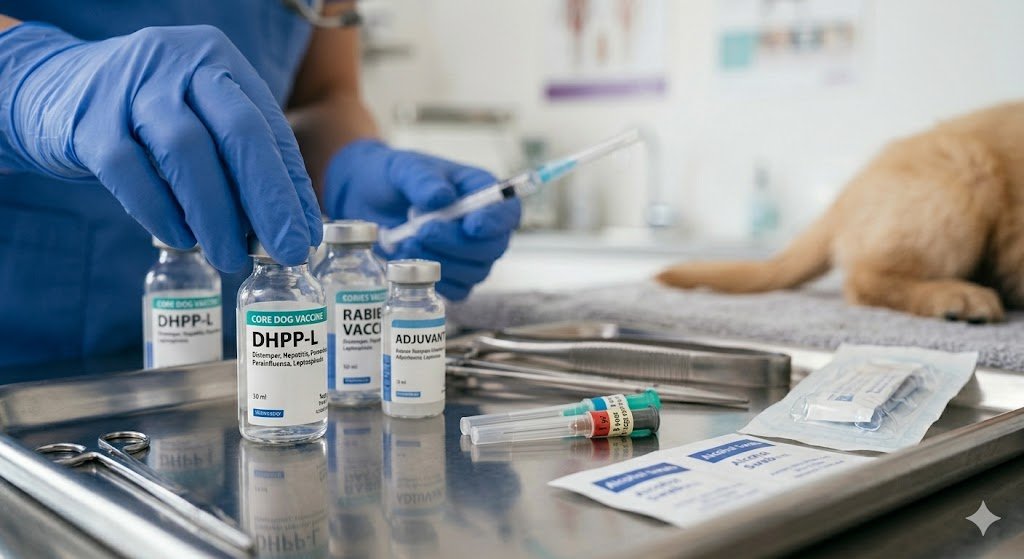
Core Vaccines for Puppies
Core vaccines for puppies are essential immunizations that protect against the most serious and life-threatening diseases. These typically include DHPP (distemper, adenovirus, parvovirus, and parainfluenza) and the rabies vaccine, which is required by law in many regions. In some cases, Bordetella is also included based on exposure risk. These vaccines form the foundation of a puppy’s immune system and are given in a scheduled series to ensure strong, long-term protection.
DHPP / DA2PP Vaccine Explained
The DHPP (or DA2PP) vaccine is considered the most important core vaccine for puppies. It protects against four major life-threatening diseases: Distemper, Adenovirus (Hepatitis), Parvovirus, and Parainfluenza.
This vaccine is given in multiple doses because puppies need repeated exposure to build strong immunity as maternal antibodies decrease over time.
Rabies Vaccine Importance
The rabies vaccine is a legally required core vaccine in most countries. It protects against a fatal viral disease that affects both animals and humans.
Key points:
- Usually given at 12–16 weeks of age
- Required by law in many regions
- Essential for public health safety
Bordetella (Kennel Cough) Vaccine
The Bordetella vaccine helps prevent kennel cough, a highly contagious respiratory infection commonly spread in places like shelters, parks, and grooming centers.
Key points:
- Recommended for social or boarding dogs
- Can be given as injection or nasal spray
- Often required for daycare or boarding facilities
Parvovirus and Distemper Protection
Parvovirus and distemper are among the deadliest diseases for puppies. These viruses spread easily and can be fatal without vaccination.
Protection comes primarily through the DHPP vaccine, which builds immunity against both diseases through a structured booster schedule.
Summary
Core vaccines for puppies include DHPP, rabies, and Bordetella, which protect against severe viral and bacterial diseases. These vaccines form the foundation of a puppy’s immune defense system and are essential for long-term health and legal compliance.
Keypoints
- DHPP protects against 4 major deadly diseases
- Rabies vaccine is legally required in most regions
- Bordetella prevents kennel cough in social environments
- Core vaccines form the foundation of puppy immunity
- Multiple doses are needed for full protection
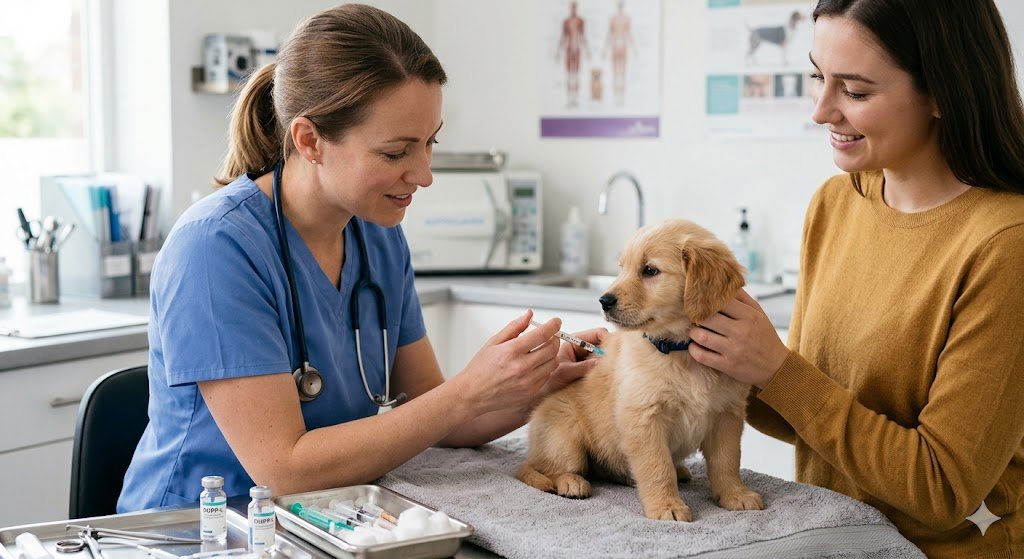
Non-Core Vaccines for Puppies
Non-core vaccines for puppies are optional immunizations given based on a puppy’s lifestyle, environment, and exposure risk. Unlike core vaccines, they are not required for every dog but are recommended in specific situations to protect against diseases like Lyme disease, leptospirosis, and canine influenza. Veterinarians decide their necessity depending on factors such as geographic location, outdoor activity, and contact with other animals.
Lyme Disease Vaccine
The Lyme disease vaccine protects puppies from infections caused by tick bites, specifically the bacteria Borrelia burgdorferi. It is not required for all dogs but is recommended in areas where ticks are common.
Key points:
- Given based on geographic risk
- Often recommended for outdoor dogs
- Helps prevent joint pain and long-term health issues
Leptospirosis Vaccine
Leptospirosis is a bacterial disease that can spread through contaminated water or soil and can also affect humans. The vaccine is important for dogs exposed to outdoor environments.
Key points:
- Recommended for dogs in wet or rural areas
- Protects both dogs and human health (zoonotic disease)
- Usually given annually after initial doses
Canine Influenza Vaccine
This vaccine protects against dog flu viruses that spread quickly in crowded places like kennels, grooming centers, and parks.
Key points:
- Recommended for social dogs
- Helps prevent respiratory illness outbreaks
- Often required for boarding facilities
When Non-Core Vaccines Are Needed
Non-core vaccines are not mandatory for every puppy. Veterinarians recommend them based on:
- Location and environmental risks
- Lifestyle (indoor vs outdoor exposure)
- Travel and social interaction level
- Local disease prevalence
Summary
Non-core vaccines are optional but important immunizations given based on a puppy’s lifestyle and exposure risk. They protect against diseases like Lyme disease, leptospirosis, and canine influenza, helping to extend protection beyond core vaccines when needed.
Keypoints
- Non-core vaccines depend on risk factors
- Lyme disease vaccine protects against tick-borne illness
- Leptospirosis is a zoonotic bacterial infection
- Canine influenza spreads in social environments
- Veterinarians decide need based on lifestyle
Puppy Vaccination Schedule Chart (Veterinary Standard Table)
The puppy vaccination schedule chart is a structured veterinary guide that presents all essential vaccines in a clear age-wise format. It helps pet owners understand exactly when each vaccine should be given, including core and booster doses, ensuring proper immune development at each stage of growth. This chart is widely used by veterinarians to track vaccinations and reduce the risk of missed or delayed doses, which can leave puppies vulnerable to serious diseases.
Standard Age-Wise Puppy Vaccination Chart
| Age of Puppy | Vaccine Type | Disease Protection | Purpose |
|---|---|---|---|
| 6–8 weeks | DHPP (1st dose) ± Bordetella | Distemper, Parvo, Adenovirus, Parainfluenza | Start early immune protection |
| 10–12 weeks | DHPP booster ± Leptospirosis | Core diseases + bacterial infection | Strengthen immunity response |
| 14–16 weeks | DHPP final booster + Rabies | Full core protection + Rabies virus | Complete primary vaccination series |
| 16 weeks–1 year | Booster shots | Core disease immunity maintenance | Long-term immune activation |
| 1 year+ (adult) | DHPP + Rabies boosters | Ongoing protection | Maintain lifelong immunity |
How to Read This Vaccination Chart
This chart shows how puppy vaccinations are spaced in stages to ensure the immune system develops gradually. Each booster strengthens the previous dose, especially because young puppies may still carry maternal antibodies that reduce vaccine effectiveness early on.
Why This Schedule Is Important
- Ensures complete immunity development
- Prevents dangerous gaps in protection
- Aligns with veterinary global standards (AAHA & WSAVA guidelines)
- Helps pet owners track vaccination progress easily
Summary
The puppy vaccination schedule chart provides a clear age-based timeline of all essential vaccines, including core and booster doses. It helps ensure puppies receive full protection at the right stages of development for long-term health and disease prevention.
Keypoints
- Vaccinations are given in stages from 6 weeks onward
- Boosters are essential for full immune response
- Rabies is typically given at 14–16 weeks
- Adult dogs need periodic boosters
- Chart helps track complete vaccine timeline
Booster Shots and Long-Term Immunity
Booster shots are essential follow-up vaccinations that help maintain and strengthen a puppy’s immune protection as they grow. After the initial vaccine series, immunity can gradually weaken over time, so boosters are given to refresh the immune system’s memory and ensure continued defense against serious diseases like distemper, parvovirus, and rabies. These shots are typically scheduled at regular intervals based on veterinary guidelines and play a key role in building long-term, reliable immunity throughout a dog’s life.
Why Booster Shots Are Required
Booster shots are follow-up vaccines given after the initial puppy series to strengthen and maintain immunity. A puppy’s first vaccines may not provide lifelong protection, so boosters help “remind” the immune system and ensure it continues producing strong antibodies against diseases like distemper, parvovirus, and rabies.
Frequency of Adult Boosters
Once the puppy reaches adulthood, vaccines are not given as frequently as during early life. Instead, boosters are scheduled based on veterinary guidelines and risk level.
Typical schedule includes:
- DHPP booster every 1–3 years
- Rabies booster every 1–3 years (depending on law and vaccine type)
- Non-core vaccines annually if required
Vaccine Memory and Immunity Duration
Vaccines work by training the immune system to recognize and fight specific diseases. However, this protection can weaken over time. Booster shots restore immune “memory,” ensuring the body reacts quickly if exposed to infection again.
This long-term immunity is essential because some viruses, like parvovirus, can survive in the environment for extended periods.
Summary
Booster shots are essential follow-up vaccinations that maintain and strengthen a puppy’s immunity into adulthood. They ensure long-term protection against serious diseases by refreshing the immune system’s response at regular intervals.
Keypoints
- Boosters reinforce initial vaccine protection
- Adult dogs need boosters every 1–3 years
- Immunity can weaken over time without reinforcement
- DHPP and rabies are the most important booster vaccines
- Booster timing depends on vet guidelines and risk level
Side Effects of Puppy Vaccinations
Side effects of puppy vaccinations are usually mild and temporary, as the immune system responds to the vaccine and builds protection. Common reactions may include slight fever, tiredness, reduced appetite, or mild swelling at the injection site, which typically resolve within 24–48 hours. In rare cases, puppies may experience more serious reactions such as vomiting, facial swelling, or difficulty breathing, which require immediate veterinary attention. Overall, vaccinations are considered safe and the benefits of disease protection far outweigh the short-term side effects.
Common Mild Reactions
Most puppies may experience mild and short-term side effects after vaccination. These are normal signs that the immune system is responding to the vaccine.
Common reactions include:
- Slight fever
- Mild tiredness or low energy
- Reduced appetite for 24–48 hours
- Mild swelling or tenderness at injection site
These symptoms usually disappear within a couple of days without treatment.
Rare But Serious Reactions
In very rare cases, puppies may develop stronger allergic or adverse reactions that require veterinary attention.
Possible serious reactions include:
- Facial swelling
- Persistent vomiting or diarrhea
- Difficulty breathing
- Severe lethargy or collapse
These reactions are uncommon but should be treated as emergencies.
When to Contact a Veterinarian
Pet owners should monitor their puppy closely after vaccination. A vet should be contacted if:
- Symptoms last more than 48 hours
- The puppy refuses food or water completely
- Any signs of allergic reaction appear
- Behavior becomes unusually weak or unresponsive
Early response ensures safety and prevents complications.
Summary
Puppy vaccinations are generally safe, with only mild and temporary side effects such as tiredness or slight fever. Serious reactions are rare but require immediate veterinary care to ensure the puppy’s health and safety.
Keypoints
- Mild side effects like fatigue and fever are common
- Most symptoms resolve within 1–2 days
- Serious allergic reactions are rare but possible
- Veterinary attention is needed for severe symptoms
- Monitoring after vaccination is important
What Happens If Vaccination Schedule Is Missed
If a puppy’s vaccination schedule is missed, its immune protection becomes incomplete, leaving it more vulnerable to serious and potentially life-threatening diseases such as parvovirus, distemper, and rabies. Delays create a gap where neither maternal antibodies nor full vaccine immunity is strong enough to provide protection. In such cases, a veterinarian may adjust the schedule or repeat certain doses depending on the length of the delay to safely rebuild immunity and restore proper protection.
Delayed Schedule Risks
If a puppy misses or delays its vaccination schedule, the immune protection becomes incomplete, leaving the puppy vulnerable to serious and sometimes fatal diseases such as parvovirus, distemper, and rabies. The longer the delay, the higher the risk of infection, especially during early development when immunity is still weak.
Restarting Vaccine Series
In many cases, veterinarians may not fully restart the entire vaccine plan but instead adjust the schedule based on how long the delay has been. However, significant gaps may require repeating certain doses to ensure proper immunity is built.
Infection Risk Exposure Window
A missed vaccination creates a “protection gap” where the puppy has neither strong maternal antibodies nor full vaccine immunity. During this window, even minimal exposure to contaminated environments, other dogs, or outdoor areas can lead to infection.
Summary
Missing a puppy’s vaccination schedule can significantly increase the risk of serious disease because it creates gaps in immune protection. Veterinarians may adjust or repeat doses depending on the delay to restore full immunity safely.
Keypoints
- Missed vaccines increase infection risk
- Puppies may lose full protection during delays
- Vets may adjust or repeat doses if needed
- Protection gaps are most dangerous in early life
- Timely vaccination is critical for immunity
Puppy Vaccination Cost Breakdown
Puppy vaccination cost breakdown varies depending on the country, clinic type, and the vaccines included in the schedule. Core vaccines like DHPP and rabies are generally more affordable and often provided in bundled packages, while non-core vaccines such as leptospirosis or kennel cough may add extra cost. Prices also differ between private veterinary clinics, which are more expensive but include full checkups, and shelters or vaccination drives that offer lower-cost options. Overall, many vets recommend package plans as a cost-effective way to complete the full puppy vaccination schedule on time.
Average Vaccine Costs
The cost of puppy vaccinations varies depending on location, vaccine type, and veterinary clinic. On average, core vaccines such as DHPP and rabies are more affordable, while non-core vaccines may increase the total cost.
Typical cost range:
- Core vaccine package: moderate and often bundled
- Rabies vaccine: usually low-cost or subsidized
- Non-core vaccines: additional cost per shot
Vet Clinic vs Shelter Pricing
Vaccination prices can differ significantly between private veterinary clinics and animal shelters or vaccination drives.
- Private vet clinics: higher cost but includes full health check and professional care
- Animal shelters / NGOs: lower-cost or discounted vaccination programs
- Mobile clinics: affordable options in some regions
Package Vaccination Plans
Many veterinary clinics offer bundled vaccination packages for puppies. These packages usually include all core vaccines and scheduled boosters, making it easier and more cost-effective for pet owners to follow the full vaccination schedule.
Summary
Puppy vaccination costs vary based on vaccine type, clinic, and region, with bundled packages often providing the most cost-effective option. While core vaccines are generally affordable, non-core vaccines and clinic services can increase total expenses.
Keypoints
- Costs vary by location and clinic type
- Core vaccines are generally affordable
- Non-core vaccines increase total expense
- Packages can reduce overall cost
- Shelters often provide low-cost vaccination options
Expert Veterinary Guidelines for Puppy Vaccination
Expert veterinary guidelines for puppy vaccination are primarily based on globally recognized standards from organizations such as AAHA and WSAVA. These guidelines recommend starting core vaccinations at 6–8 weeks of age, followed by booster doses every 2–4 weeks until at least 16 weeks to ensure complete immune development. They also emphasize that all puppies should receive essential core vaccines like DHPP and rabies, while non-core vaccines are given based on individual risk factors such as environment, exposure, and travel. The main goal of these guidelines is to ensure safe, consistent, and effective long-term immunity across different regions and lifestyles.
AAHA Recommendations
The American Animal Hospital Association (AAHA) provides widely accepted vaccination guidelines for puppies. According to these standards, core vaccines such as DHPP and rabies should be given in a structured series starting at 6–8 weeks of age, followed by boosters every 2–4 weeks until at least 16 weeks to ensure complete immune protection.
WSAVA Guidelines Overview
The World Small Animal Veterinary Association (WSAVA) emphasizes a similar approach, recommending core vaccines for all puppies regardless of location. WSAVA also highlights the importance of individualized care, meaning vaccination schedules may be adjusted based on risk factors like environment, exposure, and travel.
Regional Vaccination Differences
While global guidelines remain consistent, vaccination schedules can vary slightly depending on the country. Factors such as disease prevalence, legal requirements (especially for rabies), and veterinary practices influence timing and vaccine selection.
Summary
Expert veterinary guidelines from organizations like AAHA and WSAVA recommend a structured core vaccination series starting early in life, followed by booster doses. These guidelines ensure puppies develop strong immunity while allowing adjustments based on regional and environmental risks.
Keypoints
- AAHA recommends structured core vaccine series
- WSAVA supports universal core vaccinations for all puppies
- Boosters are essential until at least 16 weeks of age
- Regional risks can slightly change schedules
- Veterinary guidance ensures safe and effective immunity
Conclusion
A well-structured puppy vaccination schedule is essential for protecting dogs from serious and potentially fatal diseases during their early development. Starting from 6–8 weeks of age, core vaccines like DHPP and rabies are given in a series of carefully timed doses, followed by boosters that strengthen long-term immunity. Non-core vaccines are added based on lifestyle and risk factors, ensuring complete protection. Following veterinary guidelines helps ensure puppies grow into healthy adult dogs with strong, lasting immunity.
FAQs
1. When should puppy vaccinations start?
Puppy vaccinations usually start at 6–8 weeks of age, depending on veterinary advice and the puppy’s health condition.
2. How many vaccinations does a puppy need?
Most puppies need a series of 3–4 core vaccine doses plus boosters during their first year.
3. Can I delay puppy vaccinations?
Delaying vaccinations is not recommended as it increases the risk of serious infections like parvovirus and distemper.
4. Are puppy vaccines safe?
Yes, puppy vaccines are generally safe. Mild side effects like tiredness or slight fever may occur temporarily.
5. Do puppies need vaccines every year?
Yes, adult dogs require regular booster shots, typically every 1–3 years depending on the vaccine and vet guidance.
6. What is the most important puppy vaccine?
The DHPP and rabies vaccines are considered the most important core vaccines for puppies.
7. What happens if a puppy misses a vaccine?
If a vaccine is missed, a veterinarian may adjust or repeat doses to ensure full immunity is restored.