Cost of Owning Dog Calculator
The Cost of Owning Dog Calculator helps you estimate how much you may spend on a dog each month and each year. It can account for common expenses such as food, veterinary care, grooming, preventive care, training, toys, insurance, boarding, and other routine costs.
The actual cost of owning a dog varies based on factors such as size, age, health, breed, location, and lifestyle. Larger dogs may require more food and larger supplies, while dogs with high-maintenance coats may cost more to groom. Professional services such as daycare, boarding, training, and dog walking can also increase the total.
Use the calculator to enter your expected expenses and estimate your monthly and annual dog ownership cost. The result is a budgeting estimate, not a guaranteed price, because real expenses can change over time.
What the Calculator Estimates
The calculator is designed to give you a practical estimate of your dog’s ownership expenses by combining recurring and occasional costs. Depending on the inputs available, this can include food, treats, veterinary care, grooming, preventive products, insurance, training, boarding, daycare, walking, and supplies.
Why Dog Ownership Costs Vary
There is no single cost that applies to every dog. A small dog may consume less food, while a large dog may require more food and larger supplies. Grooming needs also differ according to coat type, and veterinary expenses can change significantly depending on a dog’s age and health.
Is the Calculator an Exact Cost?
No. The calculator provides an estimate for budgeting purposes. Actual prices depend on your local providers, your dog’s individual needs, and unexpected expenses. It should be used to plan a realistic budget rather than predict the exact amount you will spend.
Summary
The Cost of Owning Dog Calculator provides a personalized estimate of the money needed to care for a dog. Entering realistic expenses is more useful than relying on one average figure because dog ownership costs vary considerably between households.
Keypoints
- Estimate monthly and annual dog ownership expenses.
- Include both regular and occasional costs.
- Costs vary by dog, location, health, and lifestyle.
- Large dogs and dogs needing professional services may cost more.
- Calculator results are estimates, not guaranteed prices.
What Does the Cost of Owning a Dog Calculator Include?
The Cost of Owning Dog Calculator should account for the expenses that commonly make up a dog’s budget, rather than treating food as the only major cost. Food, veterinary care, grooming, preventive care, training, boarding, walking, toys, and supplies can all contribute to the total. The exact amount varies by the dog’s size, age, health, location, and lifestyle.
Food and Treats
Food is a recurring expense and can vary considerably depending on your dog’s size, diet, activity level, and the type of food you buy. Treats should also be included if they are purchased regularly.
For a real-world reference, the 2022 AVMA Pet Ownership and Demographics report recorded average annual household spending of $339 on food for households with dogs only. This is a historical household average, not a fixed amount that every dog owner should expect to pay today.
Veterinary Care
Routine veterinary expenses may include wellness examinations, vaccinations, diagnostic testing, medications, and other preventive services. Medical needs can change with age and health, so veterinary costs are one of the less predictable parts of dog ownership.
The same AVMA report recorded $367 per year in veterinary-care spending for households with dogs only. Individual costs can be much higher when a dog requires additional testing, medication, surgery, or emergency treatment.
Grooming and Preventive Care
Grooming expenses depend heavily on the dog’s coat and how much care you perform at home. Some dogs need little professional grooming, while others may require regular appointments.
Preventive care can include flea and tick control, heartworm prevention, vaccinations, and other veterinarian-recommended care. These costs may occur monthly, periodically, or annually, so they should be entered according to their actual payment schedule.
Training and Other Services
Training, dog walking, daycare, boarding, and pet sitting are not equally necessary for every household, but they can have a major effect on the total budget.
For example, an owner who works from home may spend little on daycare or walking, while someone who travels frequently may have substantial boarding or pet-sitting expenses. The calculator is therefore more useful when these costs are based on your actual lifestyle rather than a generic average.
Supplies and Replacement Costs
Initial and replacement supplies can include crates, beds, bowls, collars, leashes, grooming tools, toys, and other equipment. Some purchases happen only once, while others need to be replaced as they wear out or as a puppy grows.
Unexpected Expenses
Routine budgeting does not fully protect against unexpected veterinary bills. Illnesses, injuries, dental problems, and other medical needs can create expenses that are difficult to predict in advance. A responsible budget should therefore leave room for emergencies rather than assuming the calculator’s routine estimate represents the maximum possible cost.
Summary
The calculator combines the major categories that influence dog ownership costs, including food, healthcare, grooming, preventive care, services, and supplies. Using your own expected expenses produces a more useful budget than applying one universal average.
Keypoints
- Food is a recurring cost that varies with diet and dog size.
- Veterinary care can become one of the largest expenses.
- Grooming and preventive care depend on the dog’s individual needs.
- Training, daycare, boarding, and walking depend heavily on lifestyle.
- Unexpected veterinary costs should be planned for separately.

One-Time vs. Recurring Dog Expenses
A realistic dog budget should separate the costs you pay when bringing a dog home from expenses that continue throughout the year. This helps the Cost of Owning Dog Calculator produce a more useful first-year and ongoing-cost estimate.
One-Time Dog Costs
Initial expenses may include an adoption or purchase fee, crate, bed, bowls, collar, leash, identification, grooming tools, and other basic supplies. Puppies can also have initial veterinary expenses depending on the care they have already received.
The American Kennel Club identifies items such as initial veterinary visits, vaccinations, microchipping, supplies, and spay or neuter procedures as potential early expenses. Actual prices vary by location and the services your dog needs. (akc.org)
Recurring Monthly Costs
Recurring expenses are costs that continue after your dog comes home. Common examples include:
| Expense | Typical Frequency |
|---|---|
| Dog food | Monthly |
| Treats | Monthly |
| Pet insurance | Monthly |
| Preventive medications | Monthly or periodically |
| Grooming | Periodically |
| Toys and supplies | Periodically |
| Dog walking or daycare | As needed |
The AVMA’s 2022 data reported average annual household spending of $339 on food, $367 on veterinary care, $79 on toys, and $99 on grooming among households with dogs only. These figures are useful historical reference points, but they should not be treated as current universal prices. (ebusiness.avma.org)
Annual and Occasional Costs
Some expenses do not occur every month but still belong in your yearly budget. These may include routine veterinary visits, vaccinations, licensing, annual preventive treatments, training classes, boarding, or replacement equipment.
A simple way to budget for an occasional expense is to estimate its yearly total and include that amount in your annual calculation rather than forcing every expense into a monthly category.
Unexpected Costs
Emergency veterinary care is difficult to predict. Illness, injury, dental problems, or other medical conditions can result in expenses far beyond routine healthcare.
For that reason, your calculator result should be viewed as a normal-budget estimate, not the maximum amount you might ever spend. An emergency fund or suitable pet insurance can provide additional financial protection.
First-Year Cost vs. Ongoing Cost
The first year can be more expensive because startup purchases are combined with normal recurring expenses.
A simple calculation is:
First-year cost = one-time costs + monthly recurring costs × 12 + annual expenses
After the initial setup, some one-time purchases may not need to be repeated every year. However, ongoing costs can change as your dog ages or its health and care requirements change.
Summary
Separating one-time, recurring, annual, and unexpected expenses gives you a clearer picture of dog ownership costs. Your first-year budget may be higher because of initial supplies and veterinary care, while future costs depend mainly on your dog’s needs and your lifestyle.
Keypoints
- First-year costs can include startup supplies and initial veterinary care.
- Food, preventive care, and other routine expenses continue over time.
- Some costs occur only occasionally but should still be included in annual budgeting.
- Emergency veterinary expenses are unpredictable and should not be treated as routine costs.
- First-year ownership costs can differ substantially from ongoing yearly costs.
How Much Does It Cost to Own a Dog?
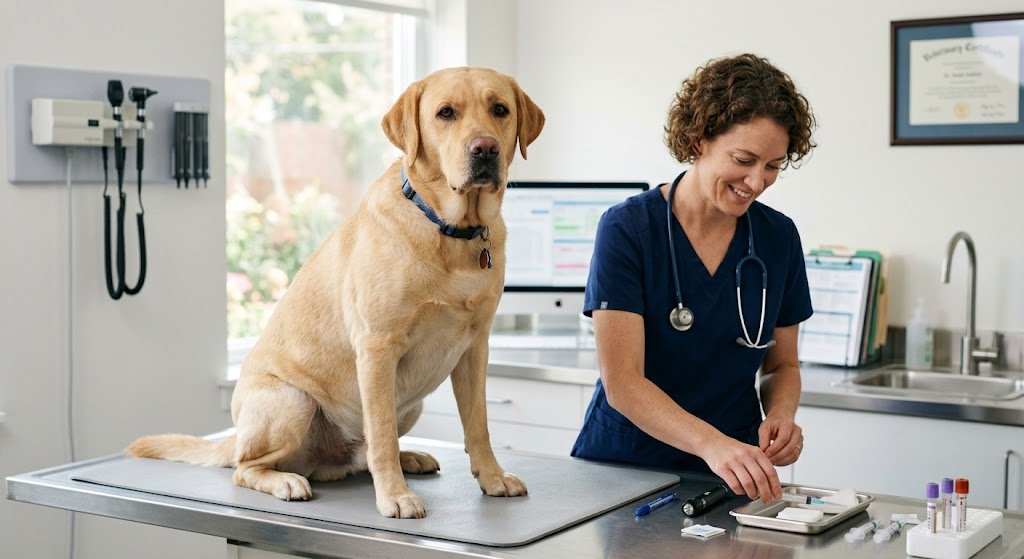
There is no single price for owning a dog because expenses vary by location, dog size, age, health, diet, grooming needs, and the services you use. Research from the AVMA and AKC shows that food, veterinary care, grooming, supplies, and other services can all contribute to annual spending.
Average Monthly Dog Ownership Cost
A simple way to estimate your monthly budget is to divide expected annual expenses by 12. For example, if your estimated yearly expenses are $2,400, the equivalent monthly budget would be $200.
This does not mean every dog costs $200 per month. Your actual figure could be lower or considerably higher depending on your dog’s needs.
Average Annual Dog Ownership Cost
Published estimates differ because studies use different years, populations, and expense categories. For example, the AVMA’s 2022 data reported that households with dogs only spent an average of $339 on food, $367 on veterinary care, $79 on toys, and $99 on grooming per year.
An older AKC survey reported $2,489 in average annual expenses, but that survey was conducted in 2004 and included categories such as travel and dog events. It should therefore be treated as historical reference data rather than a current price guide.
Why the Cost Can Be Higher or Lower
Your dog’s size can affect food, supplies, grooming, boarding, and some medical expenses. A large dog generally requires more food than a small dog, while a dog with a high-maintenance coat may require more professional grooming.
Age and health also matter. Puppies can have higher initial costs, while older dogs may require additional veterinary monitoring or treatment. Lifestyle is another major factor: regular daycare, boarding, professional training, or dog walking can add substantially to an otherwise basic budget.
A Better Way to Estimate Your Own Cost
Instead of relying on a national average, enter the expenses you realistically expect to pay into the calculator. This gives you a personalized estimate based on your circumstances.
For budgeting, consider three figures:
- Monthly cost: your regular recurring expenses.
- Annual cost: monthly expenses plus periodic and annual expenses.
- First-year cost: startup expenses added to the first year’s recurring costs.
The calculator’s result should be treated as a planning estimate rather than a guarantee.
Summary
Dog ownership costs vary too much for one universal monthly or annual figure to be accurate for every household. Published research provides useful benchmarks, but a personalized estimate based on your dog’s size, needs, location, and lifestyle is more useful for planning.
Keypoints
- Dog ownership costs vary significantly between households.
- Monthly cost can be estimated by dividing expected annual expenses by 12.
- Food, veterinary care, grooming, and supplies are major expense categories.
- Puppies and dogs with additional care needs may require larger budgets.
- Use your own expected expenses for a more realistic estimate.
What Can Increase the Cost of Dog Ownership?
The basic cost of caring for a dog can change significantly depending on the dog’s individual needs and your lifestyle. Size, age, health, grooming requirements, diet, and the amount of professional care you use can all affect your final estimate.
Dog Size and Breed
Larger dogs generally need more food and larger equipment, which can increase routine expenses. Breed-related grooming requirements can also affect costs. However, breed alone does not determine how much a dog will cost to maintain.
Health and Veterinary Needs
A healthy dog may mainly require routine preventive care, while a dog with allergies, chronic disease, dental problems, injuries, or other health conditions may require additional examinations, medication, testing, or treatment.
Veterinary expenses can therefore be one of the least predictable parts of a dog budget. The AVMA’s 2022 data recorded average annual veterinary spending of $367 among households with dogs only, but averages should not be used to predict an individual dog’s medical bills.
Grooming Requirements
Dogs with coats that require regular professional grooming can cost more than dogs that need minimal grooming. The frequency of bathing, brushing, trimming, and nail care also depends on the individual dog.
If you normally use a professional groomer, enter your actual average grooming expense into the calculator rather than relying on a general estimate.
Special Diets and Food Choices
Food costs can increase when a dog needs a specialized diet or when you choose premium food products. Treats, supplements, and other dietary products can also add to the monthly budget.
The best estimate is based on the amount you actually expect to spend rather than assuming that every dog has the same food requirements.
Professional Services
Dog walking, daycare, boarding, pet sitting, and professional training can substantially increase annual ownership costs. These expenses are especially relevant for owners who work away from home, travel frequently, or need regular assistance with their dog’s care.
Age and Life Stage
Puppies may require higher initial spending for supplies, vaccinations, training, and other early care. Senior dogs may need more frequent veterinary attention or additional medications.
This means a dog’s budget can change throughout its lifetime rather than remaining constant every year.
Location and Local Prices
The cost of veterinary care, grooming, boarding, training, and other services can differ considerably between locations. For this reason, a calculator using your actual local expenses can provide a more useful estimate than a broad national average.
Summary
Dog ownership costs can increase because of health needs, size, grooming, diet, professional services, age, and local prices. Entering your expected expenses into the calculator produces a more relevant budget than applying one fixed cost to every dog.
Keypoints
- Larger dogs may have higher food and supply costs.
- Health problems can make veterinary expenses less predictable.
- Professional grooming can increase recurring costs.
- Special diets may raise monthly food expenses.
- Boarding, daycare, walking, and training depend on lifestyle.
- Puppy and senior-dog expenses can differ from those of healthy adult dogs.
- Local prices can significantly affect your total budget.

How to Use the Cost of Owning Dog Calculator
The Cost of Owning Dog Calculator works best when you enter your actual or expected expenses instead of using broad averages. Start with regular costs, then add annual, occasional, and optional expenses that apply to your dog and lifestyle.
Enter Your Monthly Expenses
Add predictable costs such as food, treats, insurance, preventive products, grooming, and other services you regularly pay for. If an expense is paid every few months, convert it into an average monthly amount or enter it under annual expenses if the calculator provides that option.
Add Annual and Occasional Costs
Include expenses such as routine veterinary care, vaccinations, licensing, training classes, boarding, and replacement supplies. This prevents occasional expenses from being overlooked when estimating the yearly cost.
Include One-Time Startup Costs
If you are getting a new dog, account for initial expenses such as a crate, bed, bowls, leash, collar, grooming equipment, and other essential supplies. Puppies may also have additional early veterinary and training costs.
Review the Monthly Estimate
The monthly result represents the recurring budget associated with the expenses you entered. It is useful for determining how much you may need to set aside each month for routine dog care.
Check the Annual Estimate
The annual result gives you a broader view of your expected spending. A simple calculation is:
Annual cost = monthly recurring costs × 12 + annual expenses
If startup costs are included, the first-year figure can be higher than the ongoing annual estimate.
Plan for Unexpected Expenses
Do not assume the calculator’s routine estimate represents the most you could ever spend. Unexpected illness or injury can create additional veterinary costs. Keeping a separate emergency fund or considering appropriate pet insurance can help you prepare for expenses that are difficult to predict.
Summary
For the most useful estimate, enter realistic monthly, annual, occasional, and startup expenses. Review both the monthly and yearly results, and keep unexpected veterinary costs separate from your routine ownership budget.
Keypoints
- Use your actual expected expenses whenever possible.
- Separate monthly, annual, and one-time costs.
- Include startup expenses when budgeting for a new dog.
- Review both monthly and annual results.
- Keep additional funds available for unexpected expenses.
Common Mistakes When Estimating Dog Ownership Costs
A dog budget can look affordable when only basic expenses are considered. The most common budgeting mistakes happen when owners overlook irregular costs, underestimate healthcare needs, or use a generic average that does not match their dog’s situation.
Budgeting Only for Dog Food
Food is an important recurring expense, but it is only one part of responsible dog ownership. Veterinary care, preventive treatments, grooming, supplies, and other services can also affect the total.
Ignoring Veterinary and Preventive Care
Routine veterinary visits and preventive care should be included in the budget. Waiting until a medical expense occurs can make an otherwise manageable budget difficult to maintain.
Forgetting One-Time Costs
New owners may focus on monthly expenses and forget the initial cost of supplies. A crate, bed, bowls, leash, collar, grooming equipment, and other essentials can make the first year different from later years.
Using an Average as a Guaranteed Price
Published averages can provide useful context, but they do not represent the cost of every dog. Prices differ by location, dog size, health, lifestyle, and service provider.
The calculator is most useful when you replace generic assumptions with expenses that reflect your own circumstances.
Leaving Out Occasional Expenses
Boarding, training, daycare, professional grooming, replacement supplies, and other occasional expenses may not appear every month but can still add significantly to annual spending.
Not Preparing for Unexpected Costs
Routine estimates cannot predict every illness or injury. A separate emergency fund or suitable pet insurance may help reduce the financial impact of unexpected veterinary care.
Summary
The most accurate dog budget includes more than food and routine monthly bills. Separating predictable, occasional, startup, and unexpected expenses gives you a clearer picture of the financial commitment involved in owning a dog.
Keypoints
- Do not budget for food alone.
- Include routine veterinary and preventive care.
- Account for initial supplies and other startup expenses.
- Treat published averages as reference points, not guarantees.
- Include occasional services in your annual budget.
- Keep a separate plan for unexpected veterinary expenses.
Conclusion
The Cost of Owning Dog Calculator gives you a practical way to estimate the financial commitment of caring for a dog. By accounting for food, veterinary care, preventive care, grooming, supplies, training, insurance, and other services, you can build a budget that better reflects your situation.
Remember that the calculator provides an estimate, not a fixed price. Your dog’s age, size, health, location, lifestyle, and unexpected needs can change the actual cost over time. For a more reliable budget, review your estimate regularly and keep additional funds available for unexpected veterinary expenses.
Summary
A realistic dog budget should include both predictable and unexpected expenses. Using your own expected costs rather than relying only on general averages makes the calculator more useful for planning.
Keypoints
- Calculate both monthly and annual ownership costs.
- Include one-time and recurring expenses.
- Account for veterinary and preventive care.
- Consider lifestyle-related services such as grooming, boarding, and training.
- Keep an emergency budget beyond your routine estimate.
Frequently Asked Questions About Dog Ownership Costs
How much does it cost to own a dog per month?
There is no single monthly cost that applies to every dog. Food, veterinary care, grooming, preventive care, insurance, training, and other services can all affect the total. The most useful figure is the personalized estimate produced from your own expected expenses.
What is the average yearly cost of owning a dog?
Published estimates vary because they use different years and expense categories. For example, an older AKC survey reported average annual expenses of $2,489, while other estimates use different assumptions. These figures should be treated as reference points rather than current universal costs.
Is the first year of owning a dog more expensive?
It can be. The first year may include adoption or purchase costs, initial veterinary care, vaccinations, microchipping, training, a crate, bed, leash, bowls, and other supplies in addition to normal recurring expenses.
What is the biggest expense of owning a dog?
There is no single biggest expense for every household. Food and routine care are predictable, while veterinary treatment can become a major expense when a dog develops an illness or suffers an injury. Professional services such as boarding, daycare, grooming, and training can also substantially increase the total.
Do larger dogs cost more to own?
They often can. Larger dogs generally require more food and larger supplies, and some services can also cost more. However, size is only one factor; health, grooming needs, diet, age, and lifestyle also influence total ownership costs.
Does a dog ownership calculator include emergency vet costs?
A calculator can include an amount you choose to budget for unexpected care, but emergency costs are difficult to predict accurately. Your routine ownership estimate should not be treated as the maximum you could spend on your dog. Maintaining an emergency fund or considering suitable pet insurance can provide additional financial preparation.
How can I estimate my dog’s lifetime cost?
Start with your expected annual ownership cost, then consider how that amount may change as your dog ages. Lifetime estimates vary widely because dogs have different lifespans and healthcare, food, grooming, and service requirements. A yearly budget is generally more practical than assuming one fixed cost for an entire lifetime.
Summary
Dog ownership costs depend on the individual dog and household. A personalized calculator estimate can help you plan recurring expenses while leaving room for startup purchases and unexpected veterinary care.
Keypoints
- There is no universal monthly or yearly dog ownership cost.
- First-year expenses can be higher because of startup costs.
- Larger dogs may require higher food and supply budgets.
- Healthcare and professional services can significantly change total costs.
- Emergency expenses should be planned for separately.