Dogs are highly sensitive to human behavior and emotional cues, which allows them to recognize affection, even though they do not interpret “love” in human language terms. Your dog associates consistent care, positive interaction, and emotional safety with a strong bond toward you, which reflects recognition of love in their own way.
What this question actually means
Searches like “does my dog know i love him” or “does my dog know that i love him” usually reflect a desire to understand emotional communication between humans and dogs. At its core, this question is about whether dogs can perceive emotional attachment, trust, and affection from their owners.
Dogs do not process love as a concept, but they clearly respond to behavioral patterns that represent care, attention, and security.
How dogs interpret human affection
Dogs rely on non-verbal communication to understand human emotions. The most influential signals include:
- tone of voice and emotional consistency
- physical touch and closeness
- daily routines and caregiving behavior
- eye contact and attention focus
- shared activities such as play and training
Through these repeated interactions, dogs form strong associations that reflect emotional bonding and attachment.
Understanding emotional association in dogs
When users search “how does my dog know i love him” or “does my dog know how much i love him”, the scientific explanation is based on learned emotional association.
Dogs link their owner with:
- safety and protection
- food and care
- comfort and stability
- positive reinforcement experiences
This creates a conditioned emotional response that represents trust and attachment.
Summary
Dogs do not understand love as a verbal or abstract idea, but they consistently recognize affection through behavior, emotional tone, and routine-based interaction. This leads to a strong emotional bond that functions as the canine equivalent of love and trust.
Keypoints
- Dogs interpret affection through behavior, not language
- Emotional bonding is based on consistency and trust
- Human actions create strong associative learning in dogs
- Dogs recognize caregivers as sources of safety and comfort
- The emotional bond reflects attachment rather than verbal understanding

Can your dog understand your love for him?
Understanding how dogs perceive affection
Dogs do not interpret love as a verbal concept, but they are highly skilled at recognizing emotional patterns in human behavior. When people search for “how does my dog know i love him” or “does my dog know that i love him”, the real focus is on whether dogs can sense care, safety, and emotional attachment.
In practice, dogs build a strong internal association between their owner and positive life experiences such as comfort, attention, feeding, protection, and routine interaction.
How dogs interpret emotional signals
Instead of language, dogs rely on behavioral and sensory cues to understand human intent. These include:
- Voice tone: Calm and positive tones signal reassurance and safety
- Physical interaction: Gentle touch reinforces trust and comfort
- Daily routine: Predictable care builds emotional stability
- Attention patterns: Consistent engagement strengthens attachment
- Facial expressions: Dogs observe emotional states visually
- Scent familiarity: Owner scent becomes a source of security
Through these signals, dogs form a clear emotional map of their relationship with their owner.
Emotional learning and bonding process
Questions like “does my dog know how much i love him” relate to how dogs form emotional memory. Dogs do not measure intensity of love, but they strongly recognize repetition of positive emotional experiences.
Over time, a dog begins to associate a specific person with:
- safety during uncertain situations
- fulfillment of physical and emotional needs
- positive reinforcement and reward-based interaction
- stability and predictable care
This is what builds long-term attachment behavior.
Why this bond feels so strong
Dogs are social animals with a highly developed ability to read human emotions. This explains why searches like “does my dog know i love him reddit” often reflect similar emotional experiences across dog owners.
Research in animal behavior shows dogs are especially responsive to:
- emotional tone changes
- body language signals
- daily interaction patterns
- human emotional presence
These sensitivities make the human-dog bond unusually strong compared to many other animals.
Summary
Dogs recognize affection through consistent behavior, emotional tone, and routine interaction. While they do not understand love as a word or abstract idea, they clearly form deep emotional attachments based on trust, familiarity, and positive experiences with their owner.
Keypoints
- Dogs interpret human affection through behavior, not language
- Emotional bonding is built through repetition and consistency
- Owners are linked with safety, care, and positive experiences
- Dogs read tone, touch, and body language effectively
- Attachment grows stronger over time through trust-based interace
More info : Dog Pregnancy Calculator

How dogs show they understand your affection
Reading emotional connection through behavior
Dogs don’t verbally confirm affection, but their behavior clearly reflects whether they feel secure, bonded, and emotionally connected to their owner. In the context of “does my dog know i love him”, the clearest answer often comes from how your dog responds to your presence in daily life.
When a dog consistently feels safe and cared for, it naturally expresses trust-based behaviors that indicate emotional bonding.
Behavioral signs your dog associates you with love
Dogs show recognition of affection through consistent, observable patterns:
- Following you around: Indicates attachment and trust
- Relaxed body language near you: Shows emotional safety
- Excitement during greetings: Reflects positive association
- Seeking physical closeness: Leaning, sitting beside, or resting near you
- Calm behavior in your presence: Signals comfort and stability
- Eye contact with relaxed expression: Suggests emotional connection
These behaviors are commonly linked to the interpretation of “does my dog know that i love him” in real-life observation.
Emotional bonding through routine and trust
Dogs respond strongly to predictable routines and consistent care. Over time, they begin to associate their owner with:
- daily feeding and care
- protection from unfamiliar situations
- play and interaction
- emotional reassurance during stress
This conditioning builds a stable emotional attachment that reflects trust rather than verbal understanding.
Why rescue, new, or sensitive dogs behave differently
Searches like “does my rescue dog know i love him” or “does my new dog know i love him” often relate to adjustment phases.
- Rescue dogs: May take longer to trust due to past experiences
- New dogs: Require time to build emotional association
- Sensitive dogs: Respond more slowly to emotional cues
However, consistent care, patience, and calm behavior significantly strengthen bonding in all cases.
Summary
Dogs demonstrate understanding of affection through behavior patterns rooted in trust, routine, and emotional safety. While they do not interpret love linguistically, their actions clearly show when they associate a human with comfort, stability, and positive emotional experiences.
Keypoints
- Dogs express emotional bonding through behavior, not words
- Trust and routine are key to strong attachment
- Following, closeness, and calmness indicate emotional security
- New or rescue dogs may need time to fully bond
- Emotional connection grows through consistency and care
How dogs show love back to humans
Understanding reciprocal emotional bonding
Dogs don’t only recognize affection—they also respond to it through clear behavioral patterns. When users search “does my dog know i love him”, they are often also trying to understand whether that affection is returned. In behavioral science, dogs demonstrate attachment through consistent, observable actions rather than verbal expression.
Common ways dogs express affection toward owners
Dogs show emotional bonding through repeated interaction behaviors such as:
- Staying close to you: Choosing proximity over isolation
- Following movement: Tracking your presence from room to room
- Greeting excitement: High-energy response when you return
- Physical contact seeking: Leaning, pawing, or resting against you
- Licking behavior: Often a sign of comfort and social bonding
- Relaxed sleeping near you: Indicates deep trust and safety
These behaviors directly relate to emotional attachment and are commonly linked with “signs your dog loves you” searches.
Emotional communication through behavior
Dogs also express affection through subtle emotional signals:
- Soft eye contact with relaxed posture
- Calm breathing and body relaxation around owner
- Bringing toys as an invitation to interact
- Checking on owner during separation periods
- Mirroring human emotions (calm, excitement, stress response)
These patterns reflect strong social bonding rather than learned obedience alone.
Protective and social instincts
Another major indicator of affection is protective behavior. Dogs may:
- Position themselves between owner and strangers
- Alert to unfamiliar sounds or movements
- Stay attentive in new environments
- Show controlled alertness without aggression
This reflects a trust-based bond where the dog identifies the owner as part of its social group.
Summary
Dogs express love through behavioral responses rooted in trust, attachment, and social bonding instincts. Their actions show emotional connection through proximity, interaction, and protective awareness rather than verbal communication.
Keypoints
- Dogs show affection through consistent behavior patterns
- Physical closeness and following indicate strong attachment
- Excitement and greeting behavior reflect positive bonding
- Protective instincts are part of emotional connection
- Love in dogs is demonstrated through trust and interaction
Can dogs feel and understand human emotions?
Emotional perception in dogs explained
Dogs have a strong ability to interpret human emotional states through non-verbal cues. This directly connects to queries like “does my dog know i love him” and “can dogs feel love”, because emotional understanding is a core part of how dogs build relationships with humans.
Rather than understanding emotions in a human cognitive way, dogs respond to emotional signals and associate them with past experiences.
How dogs detect human emotions
Dogs rely on multiple sensory inputs to interpret how a human is feeling:
- Tone of voice: Stress, calmness, happiness, or anger are easily detected
- Facial expressions: Dogs can distinguish emotional facial patterns
- Body posture: Movement and tension indicate emotional state
- Scent changes: Stress hormones can be detected by smell
- Behavioral consistency: Repeated emotional patterns are learned over time
These cues allow dogs to adjust their behavior based on human emotional state.
Emotional contagion in dogs
Research in animal behavior suggests dogs experience a form of emotional contagion, meaning they can “mirror” or respond to human emotions.
For example:
- If the owner is calm → dog becomes relaxed
- If the owner is stressed → dog may become alert or anxious
- If the owner is happy → dog shows excitement and engagement
This is a key reason people feel their dogs “understand” them emotionally.
How this relates to love and bonding
When asking “how does my dog know i love him”, emotional perception plays a major role. Dogs interpret love as a combination of:
- safety signals
- consistent care
- positive emotional energy
- stable interaction patterns
They do not define love verbally, but they experience its emotional effects through repeated positive association.
Summary
Dogs are highly responsive to human emotional states and can adjust their behavior based on tone, expression, and body language. While they do not cognitively label emotions, they clearly recognize and react to emotional patterns, forming strong bonds with humans through this sensitivity.
Keypoints
- Dogs detect human emotions through multiple sensory cues
- Emotional contagion causes dogs to mirror human moods
- Dogs respond more to emotional state than words
- Emotional perception strengthens bonding and trust
- Love is understood as consistent positive emotional interaction
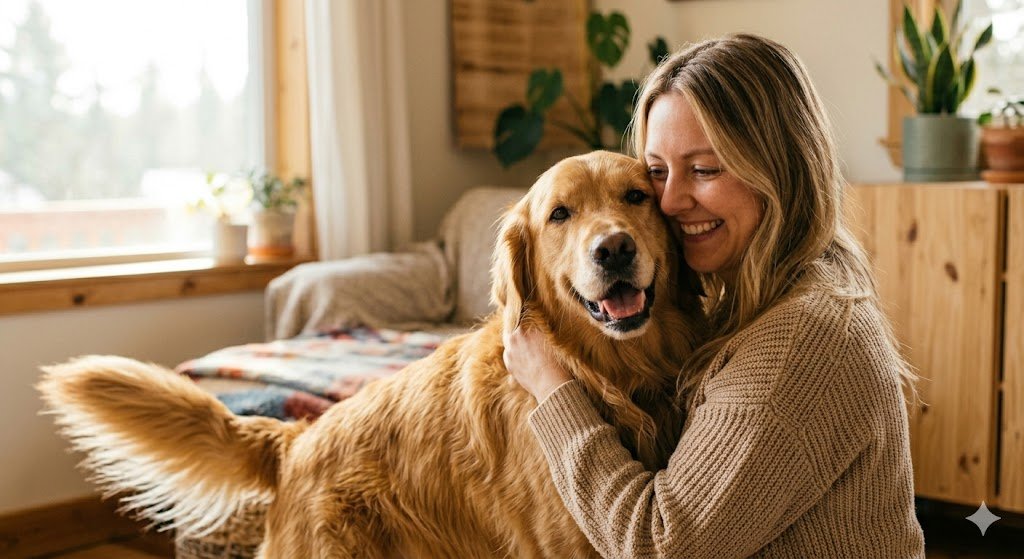
Ways to help your dog feel loved and emotionally secure
Building stronger emotional trust
Dogs develop emotional attachment through consistent positive experiences. While many owners ask “does my dog know how much i love him”, the more important factor is how affection is communicated through daily behavior and interaction.
Emotional security in dogs is built gradually through trust, predictability, and positive reinforcement.
Maintain a consistent routine
Dogs respond strongly to structure and predictability. A stable routine helps reduce stress and increases emotional comfort.
Important routine factors include:
- regular feeding schedules
- daily walks and exercise
- consistent sleep areas
- predictable interaction times
Routine creates a sense of safety, which strengthens emotional bonding.
Use positive reinforcement
Reward-based interaction is one of the clearest ways dogs recognize affection and trust.
Positive reinforcement includes:
- verbal praise
- treats during training
- gentle touch
- calm encouragement
- play rewards
This strengthens the emotional association between owner and positive experiences.
Spend quality time together
Consistent interaction plays a major role in dog bonding with owner behavior.
Activities that strengthen connection:
- play sessions
- training exercises
- walks and outdoor exploration
- calm resting time together
- interactive toys and games
Dogs interpret attention and engagement as social bonding behavior.
Respect your dog’s comfort signals
Not all dogs express affection the same way. Some enjoy physical closeness, while others prefer space.
Important comfort signs to monitor:
- relaxed posture
- loose tail movement
- calm breathing
- willingness to approach voluntarily
Ignoring stress signals can weaken trust and emotional security.
Support physical and mental well-being
Healthy dogs are more emotionally stable and socially responsive.
Key areas include:
- balanced nutrition
- proper veterinary care
- mental stimulation
- exercise and mobility
- stress reduction
These factors influence both behavior and emotional bonding.
Special consideration for deaf, rescue, or new dogs
Searches such as “does my deaf dog know i love him”, “does my rescue dog know i love him”, and “does my new dog know i love him” often relate to communication concerns.
- Deaf dogs: Rely more on touch, visual cues, and routine
- Rescue dogs: May require extended trust-building time
- New dogs: Need consistency before forming secure attachment
Patience and repetition are especially important in these situations.
Summary
Dogs feel emotionally secure through routine, trust, positive reinforcement, and consistent care. Strong emotional bonds develop when owners provide safety, stability, engagement, and respectful interaction over time.
Keypoints
- Routine and consistency strengthen emotional security
- Positive reinforcement improves trust and attachment
- Quality interaction deepens dog-human bonding
- Respecting comfort signals helps maintain trust
- Deaf, rescue, and new dogs may require different bonding approaches
Common misconceptions about dog emotions and affection
Dogs do not only care about food
One of the most common myths surrounding dog emotions is the belief that dogs bond with humans only because of food. While food reinforcement is important in canine behavior, emotional attachment goes far beyond feeding routines.
Dogs also form strong associations through:
- safety and protection
- companionship
- play and interaction
- emotional familiarity
- routine social contact
This is why many dogs remain emotionally attached even outside feeding situations.
Affection is not the same as obedience
A well-trained dog is not automatically emotionally bonded, and an emotionally bonded dog may not always behave perfectly.
Dogs can obey commands because of:
- repetition and conditioning
- reward-based training
- environmental structure
Emotional attachment, however, is more closely linked to:
- trust
- comfort around the owner
- social closeness
- emotional stability
This distinction is important when understanding dog human connection and attachment behavior.
Not all dogs enjoy hugs
Humans often interpret hugging as affection, but many dogs experience prolonged restraint as discomfort.
Possible stress signs during forced hugging:
- lip licking
- turning head away
- stiff posture
- yawning during interaction
- avoiding eye contact
Dogs generally respond better to:
- gentle petting
- calm proximity
- relaxed interaction
- voluntary physical closeness
Understanding these boundaries improves emotional trust.
Dogs do not understand words the same way humans do
Searches like “does my dog know that i love him” often assume dogs process language emotionally. In reality, dogs primarily respond to:
- tone of voice
- repetition
- emotional consistency
- associated behavior patterns
Words alone have limited meaning without behavioral reinforcement.
Emotional attachment can take time
For rescue or newly adopted dogs, emotional bonding is not always immediate. Queries such as “does my rescue dog know i love him” reflect concerns about delayed trust development.
Factors affecting bonding speed include:
- previous trauma or neglect
- environmental adjustment
- socialization history
- personality and temperament
Stable routines and patience are critical for long-term trust formation.
Summary
Many misconceptions about dog affection come from interpreting canine emotions through human expectations. Dogs experience attachment through trust, routine, emotional safety, and behavioral consistency rather than human-style emotional reasoning.
Keypoints
- Dogs bond through more than food-based interaction
- Obedience and emotional attachment are different concepts
- Many dogs dislike forced hugging or restraint
- Dogs respond more to tone and behavior than words
- Emotional trust may develop gradually in rescue or new dogs
Special situations that affect emotional bonding with dogs
Emotional connection with rescue dogs
Searches like “does my rescue dog know i love him” are common because rescue dogs often require more time to build trust. Past experiences such as neglect, abandonment, or inconsistent care can affect how quickly a dog becomes emotionally secure.
Signs a rescue dog is beginning to trust:
- relaxed posture around the owner
- seeking physical closeness
- improved confidence indoors
- calm sleeping behavior
- reduced fear responses
Trust-building with rescue dogs depends heavily on patience, routine, and predictable interaction.
Bonding with a new dog
Questions such as “does my new dog know i love him” usually relate to early adjustment periods after adoption.
New dogs often need time to:
- understand their environment
- learn household routines
- recognize safe people
- develop emotional familiarity
During this phase, consistent care and calm interaction help accelerate emotional bonding and trust formation.
How deaf dogs recognize affection
Owners searching “does my deaf dog know i love him” are often concerned about communication limitations. Deaf dogs can still form extremely strong emotional attachments because dogs rely on multiple sensory systems beyond hearing.
Deaf dogs interpret affection through:
- touch and physical contact
- facial expression and eye contact
- visual hand signals
- routine and environmental consistency
- scent familiarity
In many cases, deaf dogs become highly attentive to visual and physical communication cues.
Senior dogs and long-term attachment
Older dogs often show stronger attachment behavior due to years of routine-based bonding and familiarity.
Common senior dog bonding behaviors:
- increased closeness
- following owner more frequently
- seeking calm interaction
- stronger comfort attachment during stress
Long-term consistency reinforces emotional security over time.
Emotional attachment near the end of life
Searches like “my dog dies does he know i love him” are deeply emotional and usually reflect concern about a dog’s final emotional state.
Behavioral research suggests dogs strongly recognize:
- familiar presence
- calming touch
- emotional tone
- routine companionship
Remaining physically present, calm, and comforting during difficult moments helps maintain emotional reassurance and familiarity for the dog.
Summary
Different life situations can influence how dogs build and express emotional attachment. Rescue dogs, deaf dogs, new dogs, and senior dogs may communicate bonding differently, but consistent care, safety, and emotional stability remain the foundation of trust.
Keypoints
- Rescue dogs may require additional trust-building time
- New dogs form attachment through routine and consistency
- Deaf dogs rely heavily on visual and physical communication
- Senior dogs often develop deeper comfort-based attachment
- Emotional reassurance remains important throughout a dog’s life
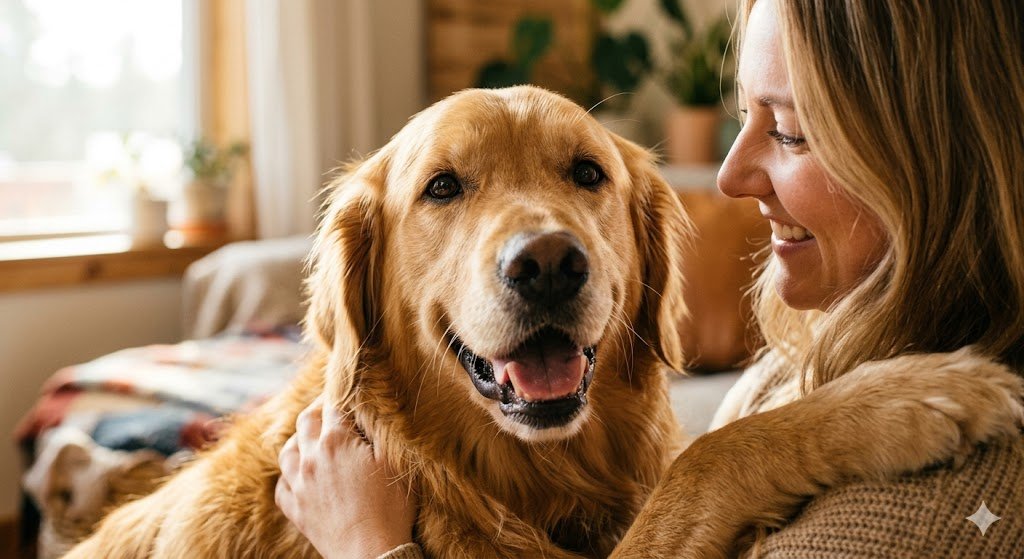
Scientific research behind dog-human emotional bonding
The role of oxytocin in emotional attachment
Research on dog human connection has shown that dogs and humans experience increased oxytocin levels during positive interaction. Oxytocin is commonly associated with social bonding, trust, and emotional attachment.
Activities linked to oxytocin release include:
- eye contact between dog and owner
- gentle physical interaction
- calm companionship
- positive play sessions
This biological response helps explain why emotional bonds between dogs and humans feel unusually strong.
How canine cognition supports emotional bonding
Studies in canine cognition suggest dogs are highly adapted to reading human social behavior.
Dogs can recognize:
- emotional tone changes
- facial expressions
- gesture patterns
- attention direction
- familiar routines and habits
This sensitivity improves communication and strengthens long-term emotional attachment between dogs and owners.
Attachment behavior in dogs
Behavioral researchers often compare dog attachment patterns to social attachment systems seen in humans.
Common attachment indicators include:
- seeking proximity to owner
- stress during separation
- excitement during reunion
- using owner as a “safe base” in unfamiliar environments
These behaviors support the idea that dogs form emotionally meaningful social relationships with humans.
Why dogs respond strongly to human emotions
Dogs evolved alongside humans for thousands of years, which increased their ability to interpret human behavior and emotional signals.
Modern studies suggest dogs are particularly responsive to:
- vocal emotion shifts
- stress-related body language
- human attention and eye contact
- emotional consistency in daily interaction
This evolutionary adaptation contributes to stronger emotional synchronization between dogs and humans.
What science says about dogs feeling love
Research cannot confirm that dogs experience “love” exactly like humans do. However, evidence strongly supports that dogs experience:
- attachment
- emotional preference
- social comfort
- trust-based bonding
- positive emotional association
This scientific perspective aligns closely with the emotional behaviors observed in bonded dogs.
Summary
Scientific research supports the existence of strong emotional attachment between dogs and humans. Through oxytocin response, attachment behavior, and advanced social perception, dogs develop trust-based emotional bonds that closely resemble affection and companionship.
Keypoints
- Oxytocin plays a major role in dog-human bonding
- Dogs are highly responsive to human emotional signals
- Attachment behaviors are scientifically observable in dogs
- Canine cognition supports emotional communication with humans
- Research supports trust-based emotional bonding in dogs
Understanding the emotional bond between dogs and humans
The question “does my dog know i love him” reflects the deep emotional connection many owners develop with their pets. While dogs do not understand love as a human language concept, behavioral science and canine cognition research strongly support that dogs recognize affection through trust, routine, emotional consistency, and positive interaction.
Throughout daily life, dogs continuously interpret:
- tone of voice
- physical touch
- body language
- routine care
- emotional presence
- social interaction patterns
These signals help dogs associate their owner with safety, comfort, and stability, which forms the foundation of emotional bonding.
Research related to dog emotions, dog bonding with owner, and how dogs recognize love also shows that dogs respond strongly to human emotional cues and develop attachment behaviors over time. Signs such as staying close, relaxed body language, greeting excitement, and seeking comfort around an owner are clear indicators of trust-based emotional connection.
Special situations including:
- rescue dog bonding
- deaf dog communication
- new dog adjustment
- senior dog attachment
may influence how affection is expressed, but consistent care and emotional stability remain central in every case.
Although science cannot confirm that dogs experience love exactly as humans do, studies on oxytocin response, social attachment, and canine behavior consistently support the existence of meaningful emotional relationships between dogs and humans.
Summary
Dogs recognize love through behavior, emotional consistency, and trust rather than language. Positive interaction, safety, and routine create strong attachment patterns that form the emotional bond between dogs and their owners.
Keypoints
- Dogs interpret affection through actions and emotional cues
- Trust and consistency are essential for bonding
- Dogs respond strongly to human tone, touch, and behavior
- Emotional attachment develops through repeated positive experiences
- Scientific research supports strong dog-human social bonding
- Rescue, deaf, and new dogs may bond differently but still form deep attachment
- Emotional connection in dogs is behaviorally observable and biologically supported
Conclusion
Dogs may not understand love through words or human-style emotional reasoning, but they clearly recognize affection through behavior, trust, and emotional consistency. Daily care, positive interaction, physical closeness, and routine all help dogs form strong emotional attachments with their owners.
Research on canine behavior and dog-human bonding shows that dogs are highly responsive to emotional cues such as tone of voice, facial expressions, touch, and social interaction. These repeated experiences create long-term attachment patterns built around safety, comfort, and familiarity.
Whether the question is “does my dog know i love him”, “does my rescue dog know i love him”, or “does my deaf dog know i love him”, the underlying answer remains centered on trust and emotional association. Dogs experience connection through consistent positive experiences rather than verbal communication alone.
Strong emotional bonding develops over time through patience, care, and predictable interaction, making the relationship between dogs and humans one of the most socially connected bonds observed between species.
FAQs
Does my dog know i love him?
Dogs recognize affection through behavior, tone, touch, routine, and emotional consistency. While they do not understand love as a word, they strongly associate positive care and safety with emotional bonding.
How does my dog know that i love him?
Dogs interpret affection through repeated positive experiences such as feeding, play, gentle interaction, calm communication, and physical closeness. These patterns help create trust and attachment.
Does my dog know how much i love him?
Dogs cannot measure emotional intensity in human terms, but they clearly recognize consistent affection, attention, and positive emotional interaction over time.
Does my rescue dog know i love him?
Rescue dogs may require additional time to build trust depending on past experiences. Stable routines, patience, and positive reinforcement help strengthen emotional bonding gradually.
Does my deaf dog know i love him?
Deaf dogs can still form deep emotional attachment through touch, visual communication, scent familiarity, and routine-based interaction.
Does my new dog know i love him?
New dogs often need time to adjust to their environment and build trust. Consistent care and calm interaction help establish emotional security.
Can dogs feel emotional attachment to humans?
Research in canine behavior supports that dogs form attachment-based social bonds with humans through trust, familiarity, and repeated positive experiences.