The importance of diet during dog pregnancy cannot be overstated because proper nutrition directly affects the health of both the mother and her developing puppies. During pregnancy, a dog’s body undergoes significant physiological changes that increase its need for energy, high-quality protein, essential fatty acids, vitamins, minerals, and water. Providing a balanced diet throughout gestation supports healthy fetal development, maintains the mother’s body condition, and prepares her for successful whelping and lactation.
A proper diet for dogs pregnancy helps reduce the risk of nutritional deficiencies, low birth weight, pregnancy-related complications, and poor milk production after birth. Feeding an appropriate diet also supports the development of the puppies’ organs, bones, muscles, brain, and immune system during every stage of gestation.
Rather than simply increasing the amount of food, the focus should be on improving nutrient density. Most veterinarians recommend feeding a complete and balanced, high-quality commercial diet formulated for growth or all life stages, as these foods provide the higher levels of protein, fat, and essential nutrients required during pregnancy.
Following a well-planned dogs pregnancy diet plan ensures the mother receives adequate nutrition from conception through delivery. As pregnancy progresses, her calorie requirements gradually increase, making feeding frequency, portion sizes, and food quality increasingly important.
Proper nutrition should always be combined with regular veterinary checkups, weight monitoring, fresh drinking water, and appropriate exercise to support a healthy pregnancy.
Summary
The importance of diet during dog pregnancy lies in providing the nutrients necessary for healthy fetal growth, maintaining the mother’s health, supporting safe delivery, and preparing for successful nursing. A balanced, nutrient-rich diet is one of the most important factors influencing pregnancy outcomes.
Key Points
- The importance of diet during dog pregnancy extends to both the mother and developing puppies.
- A proper diet for dogs pregnancy provides essential protein, healthy fats, vitamins, and minerals.
- A structured dogs pregnancy diet plan supports each stage of gestation.
- Nutrient quality is more important than simply feeding larger portions.
- Regular veterinary guidance helps ensure nutritional needs are met throughout pregnancy.
Looking for more dog pregnancy advice? Browse our complete collection of expert guides to help you care for your dog before, during, and after pregnancy : The Importance of Calcium During Dog Pregnancy
Why Diet Is Critical During Dog Pregnancy
A healthy pregnancy begins with proper nutrition. The importance of diet during dog pregnancy is reflected in every stage of fetal growth, maternal health, and post-birth recovery. A pregnant dog requires a balanced intake of protein, healthy fats, carbohydrates, vitamins, minerals, and water to meet the increasing nutritional demands of pregnancy.
Unlike non-pregnant adult dogs, pregnant females experience gradual physiological changes that require higher-quality nutrition rather than simply larger food portions. As the puppies develop, the mother’s body must supply enough nutrients to support organ formation, skeletal growth, muscle development, and brain development while maintaining her own health.
A proper diet for dogs pregnancy also helps the mother maintain an ideal body condition throughout gestation. Dogs that receive balanced nutrition are more likely to experience healthy weight gain, maintain strong immune function, and produce sufficient milk after whelping. In contrast, poor nutrition can contribute to pregnancy complications, weak newborn puppies, low birth weights, reduced milk production, and slower recovery after delivery.
Following a carefully designed dogs pregnancy diet plan allows owners to adjust calorie intake, feeding frequency, and nutrient density as pregnancy progresses. Nutritional requirements increase most noticeably during the final weeks of gestation when puppies grow rapidly and the mother’s energy demands rise significantly.
How Pregnancy Changes a Dog’s Nutritional Needs
During pregnancy, a dog’s metabolism becomes more active to support both maternal tissues and developing puppies. Although calorie requirements remain close to normal during the first few weeks, nutrient demands gradually increase as fetal development accelerates.
Key nutritional changes include:
- Higher protein requirements to support fetal tissue growth and maternal muscle maintenance.
- Increased healthy fats to provide concentrated energy and essential fatty acids such as DHA for brain and eye development.
- Greater energy needs during the final third of pregnancy.
- Increased calcium and phosphorus requirements to support healthy bone formation.
- Higher water intake to maintain hydration, circulation, and milk production after birth.
Because the growing puppies occupy more abdominal space during late pregnancy, many dogs prefer smaller, more frequent meals instead of one or two large meals each day.
How Nutrition Supports Puppy Development
The importance of diet during dog pregnancy extends directly to the health of unborn puppies. Every essential nutrient contributes to critical stages of fetal development.
Adequate protein provides the building blocks for muscles, organs, skin, and internal tissues. Healthy fats, particularly omega-3 fatty acids such as DHA, support normal brain and vision development. Vitamins and minerals contribute to healthy bone formation, immune function, metabolism, and overall growth.
Consistent, balanced nutrition also helps puppies achieve healthier birth weights, improves survival rates, and prepares them for strong early growth after birth.
| Nutrient | Primary Benefit During Pregnancy |
|---|---|
| Protein | Supports fetal growth and maternal tissue maintenance |
| Healthy Fats (DHA) | Brain and eye development |
| Calcium & Phosphorus | Bone and teeth development |
| Vitamins & Minerals | Immune system and metabolic function |
| Water | Hydration, circulation, and preparation for lactation |
Summary
The importance of diet during dog pregnancy lies in providing the nutrients required for healthy fetal development while protecting the mother’s health. A proper diet for dogs pregnancy, combined with a structured dogs pregnancy diet plan, supports healthy pregnancy, successful delivery, and strong newborn puppies.
Key Points
- Proper nutrition supports both maternal health and fetal development.
- Nutrient density is more important than simply increasing food quantity.
- Energy and nutrient requirements rise throughout pregnancy, especially during the final trimester.
- High-quality protein, healthy fats, vitamins, minerals, and water are essential.
- A well-balanced dogs pregnancy diet plan helps prepare the mother for both delivery and lactation.
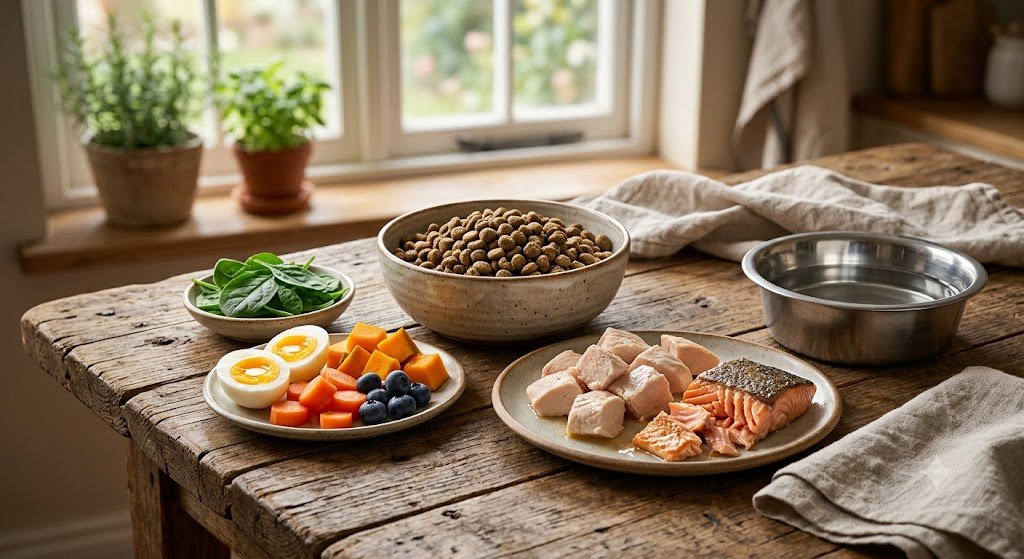
Essential Nutrients for a Healthy Pregnant Dog
Providing the right nutrients is one of the most important aspects of the importance of diet during dog pregnancy. Every nutrient has a specific role in supporting fetal growth, maintaining the mother’s health, and preparing her body for whelping and lactation. A proper diet for dogs pregnancy should supply balanced amounts of protein, healthy fats, vitamins, minerals, and water without unnecessary supplementation unless recommended by a veterinarian.
Protein
Protein is the foundation of a healthy dogs pregnancy diet plan because it supports the development of muscles, organs, skin, and other body tissues in growing puppies. It also helps maintain the mother’s muscle mass as her nutritional demands increase.
High-quality animal-based protein sources include:
- Chicken
- Turkey
- Beef
- Lamb
- Fish
- Eggs
Most veterinary nutrition experts recommend feeding a complete and balanced commercial diet formulated for growth or all life stages, as these diets typically provide adequate protein for pregnant dogs.
Healthy Fats and DHA
Healthy fats are a concentrated source of energy and become increasingly important during the later stages of pregnancy. They also improve the absorption of fat-soluble vitamins and support healthy skin and coat condition.
One of the most valuable nutrients is docosahexaenoic acid (DHA), an omega-3 fatty acid that contributes to normal brain and eye development in puppies.
Good dietary sources include:
- Fish oil
- Salmon
- Sardines
- High-quality puppy foods containing DHA
Calcium and Phosphorus
Calcium and phosphorus work together to support strong bones and teeth in developing puppies while maintaining the mother’s skeletal health.
However, excessive calcium supplementation during pregnancy should be avoided unless specifically recommended by a veterinarian. Oversupplementation may interfere with the body’s natural calcium regulation and increase the risk of complications after whelping.
A balanced commercial diet generally provides the correct calcium-to-phosphorus ratio for healthy pregnancy.
Vitamins and Minerals
Vitamins and trace minerals support numerous biological functions throughout pregnancy, including immune health, metabolism, tissue repair, and normal fetal development.
Important nutrients include:
- Vitamin A
- Vitamin D
- Vitamin E
- B-complex vitamins
- Iron
- Zinc
- Copper
- Selenium
These nutrients are typically supplied in appropriate amounts by complete and balanced dog foods, making additional supplementation unnecessary in most healthy pregnancies.
Water and Hydration
Water is often overlooked but remains one of the most essential nutrients throughout pregnancy. Adequate hydration supports nutrient transport, digestion, circulation, temperature regulation, and prepares the body for milk production after birth.
Pregnant dogs should have continuous access to fresh, clean drinking water. Water intake often increases during the final weeks of gestation as metabolic demands rise.
| Nutrient | Primary Role During Pregnancy | Common Sources |
|---|---|---|
| Protein | Builds fetal tissues and maintains maternal muscle | Chicken, beef, fish, eggs |
| Healthy Fats & DHA | Supports brain, eye, and nervous system development | Fish oil, salmon, sardines |
| Calcium & Phosphorus | Bone and teeth development | Complete commercial diets |
| Vitamins & Minerals | Immune function, metabolism, and healthy growth | Balanced puppy or all-life-stage food |
| Water | Hydration, circulation, digestion, and lactation support | Fresh, clean drinking water |
Summary
Understanding the importance of diet during dog pregnancy begins with meeting essential nutrient requirements. A proper diet for dogs pregnancy provides balanced protein, healthy fats, vitamins, minerals, and water to support healthy puppies while protecting the mother’s overall health. A carefully planned dogs pregnancy diet plan focuses on nutrient quality rather than excessive supplementation.
Key Points
- Protein is essential for fetal growth and maternal muscle maintenance.
- DHA-rich healthy fats support puppy brain and eye development.
- Calcium and phosphorus must remain properly balanced.
- Most complete commercial diets provide adequate vitamins and minerals.
- Fresh water should always be available throughout pregnancy.
- Avoid giving nutritional supplements without veterinary guidance.
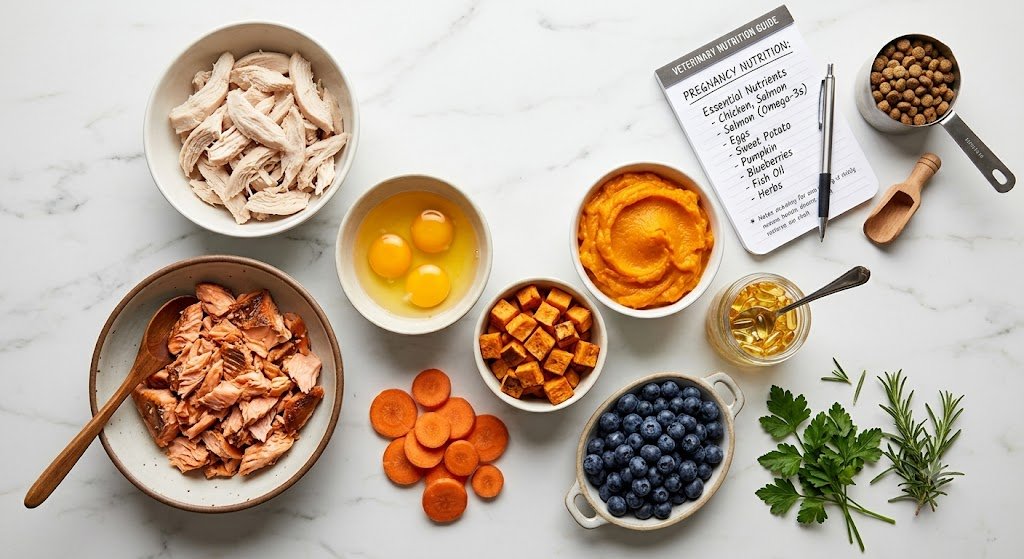
Proper Diet for Dogs Pregnancy
Choosing the right food is a key part of the importance of diet during dog pregnancy. A balanced, nutrient-dense diet supports healthy fetal development, maintains the mother’s body condition, and prepares her for delivery and nursing. Rather than feeding significantly larger meals, the goal is to provide higher-quality nutrition that meets the increasing demands of pregnancy.
A proper diet for dogs pregnancy should include complete and balanced dog food formulated for growth or all life stages. These diets are designed to provide the appropriate balance of protein, fat, vitamins, and minerals needed during gestation without requiring unnecessary supplementation.
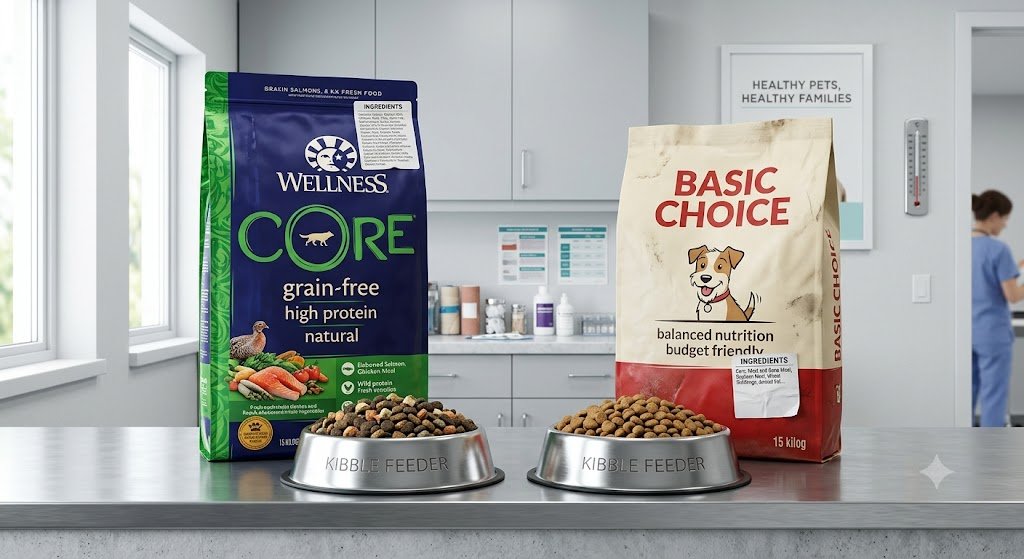
Choosing High-Quality Food
Not all dog foods provide the same nutritional value. During pregnancy, selecting a premium-quality diet helps ensure the mother receives adequate nutrients for herself and her developing puppies.
Look for dog food that offers:
- High-quality animal protein as the first ingredient.
- Moderate to high levels of healthy fats for additional energy.
- Balanced calcium and phosphorus levels.
- DHA or omega-3 fatty acids for brain and eye development.
- Essential vitamins and trace minerals.
- Complete and balanced nutrition that meets recognized nutritional standards for growth or all life stages.
Avoid foods that contain excessive fillers, artificial additives, or low-quality protein sources, as these provide less nutritional value during pregnancy.
Commercial vs. Homemade Diets
Many owners wonder whether homemade meals are healthier than commercial dog food during pregnancy. While homemade diets can be beneficial in some cases, they require careful formulation to ensure all nutritional requirements are met.
| Commercial Diet | Homemade Diet |
|---|---|
| Nutritionally balanced for pregnancy when formulated for growth or all life stages | Must be formulated by a veterinary nutrition professional |
| Convenient and consistent | Time-consuming to prepare correctly |
| Provides balanced vitamins and minerals | Higher risk of nutritional deficiencies if not properly balanced |
| Suitable for most pregnant dogs | Appropriate only with professional guidance |
For most dogs, a high-quality commercial diet is the safest and most practical choice throughout pregnancy.
Portion Control
A successful dogs pregnancy diet plan is based on gradual nutritional adjustments rather than sudden increases in food intake.
General feeding recommendations include:
- Weeks 1–4: Feed the normal maintenance amount if body condition is healthy.
- Weeks 5–6: Gradually increase food intake as energy requirements begin to rise.
- Weeks 7–9: Increase daily calorie intake by approximately 20–30% or as recommended by a veterinarian, depending on litter size and the mother’s body condition.
- Divide daily food into three to four smaller meals during late pregnancy to improve comfort and digestion.
Monitoring body condition is just as important as monitoring weight. The goal is steady, healthy weight gain without excessive fat accumulation, which may increase the risk of complications during delivery.
Signs Your Pregnant Dog Is Receiving Proper Nutrition
A balanced proper diet for dogs pregnancy often results in the following positive signs:
- Steady and healthy weight gain.
- Consistent energy levels.
- Healthy skin and a shiny coat.
- Good appetite throughout most of pregnancy.
- Normal fetal growth confirmed during veterinary examinations.
- Adequate body condition without becoming overweight.
If your dog experiences significant weight loss, persistent vomiting, poor appetite, or lethargy, consult a veterinarian promptly to evaluate her nutritional needs and overall health.
Summary
A proper diet for dogs pregnancy focuses on nutrient quality, balanced nutrition, and gradual calorie adjustments throughout gestation. Following a structured dogs pregnancy diet plan helps support healthy puppies, maintain the mother’s condition, and reduce the risk of nutrition-related complications. This reinforces the importance of diet during dog pregnancy as one of the most critical factors for a successful pregnancy.
Key Points
- Choose a complete and balanced diet formulated for growth or all life stages.
- Prioritize high-quality protein, healthy fats, and essential nutrients.
- Commercial diets are generally safer and more balanced than homemade diets unless professionally formulated.
- Increase food intake gradually during the second half of pregnancy.
- Feed smaller, more frequent meals during late gestation.
- Monitor body condition regularly and seek veterinary advice if nutritional concerns arise.
Dogs Pregnancy Diet Plan by Pregnancy Stage
A successful dogs pregnancy diet plan should change as pregnancy progresses because a dog’s nutritional and energy requirements increase throughout gestation. Understanding the importance of diet during dog pregnancy at each stage helps support healthy fetal development while maintaining the mother’s strength and body condition.
Rather than making sudden dietary changes, adjust food intake gradually based on the pregnancy stage, body condition, and your veterinarian’s recommendations.
Weeks 1–3: Early Pregnancy
During the first three weeks, the embryos begin developing, but the mother’s calorie requirements remain close to normal. At this stage, the focus should be on maintaining a balanced diet rather than increasing food quantity.
Recommended feeding practices:
- Continue feeding a high-quality, complete, and balanced diet.
- Avoid unnecessary treats or table scraps.
- Ensure constant access to fresh drinking water.
- Do not overfeed, as excessive weight gain early in pregnancy is unnecessary.
Weeks 4–6: Mid Pregnancy
During the middle stage of pregnancy, fetal growth accelerates, and the mother’s nutritional needs begin to increase.
A proper diet for dogs pregnancy during this period should include:
- Gradually increasing calorie intake.
- High-quality animal protein to support tissue development.
- Healthy fats to provide additional energy.
- Balanced vitamins and minerals from a complete commercial diet.
- Smaller, more frequent meals if appetite changes occur.
Closely monitor your dog’s body condition to ensure she is gaining weight steadily without becoming overweight.
Weeks 7–9: Late Pregnancy
The final third of pregnancy is when puppies experience the most rapid growth. This is also when the importance of diet during dog pregnancy becomes even more critical, as the mother’s energy requirements rise significantly.
During this stage:
- Increase daily food intake gradually, following veterinary guidance.
- Feed three to four smaller meals each day because the growing uterus reduces stomach capacity.
- Continue feeding a nutrient-dense diet formulated for growth or all life stages.
- Maintain adequate hydration by providing unlimited access to clean water.
Many pregnant dogs naturally eat smaller portions per meal, making frequent feeding more comfortable and effective.
Preparing for Lactation
Nutrition during the final days of pregnancy also prepares the mother for milk production after whelping.
Before delivery:
- Continue feeding high-quality food without abrupt diet changes.
- Ensure adequate protein and energy intake.
- Monitor appetite and hydration daily.
- Prepare to continue increased nutritional support throughout nursing, as calorie requirements often become even higher during lactation than during pregnancy.
A smooth nutritional transition helps support healthy milk production and provides newborn puppies with the nutrients they need during their first weeks of life.
Pregnancy Stage Feeding Guide
| Pregnancy Stage | Nutritional Focus | Feeding Recommendation |
|---|---|---|
| Weeks 1–3 | Maintain balanced nutrition | Normal portions of high-quality food |
| Weeks 4–6 | Support increasing fetal growth | Gradually increase calories and nutrient density |
| Weeks 7–9 | Meet peak energy demands | Feed smaller, more frequent meals with higher calorie intake |
| Pre-Lactation | Prepare for nursing | Continue nutrient-rich diet and maintain hydration |
Summary
An effective dogs pregnancy diet plan adapts to the changing nutritional needs of each stage of gestation. Following a proper diet for dogs pregnancy and making gradual feeding adjustments reinforces the importance of diet during dog pregnancy, helping support healthy mothers, normal fetal development, successful delivery, and a smoother transition into lactation.
Key Points
- Nutritional needs change throughout pregnancy.
- Early pregnancy focuses on maintaining balanced nutrition.
- Mid-pregnancy requires gradual increases in calorie and nutrient intake.
- Late pregnancy benefits from smaller, more frequent meals.
- Proper hydration is essential at every stage.
- Continue nutritional support after birth to promote healthy milk production.
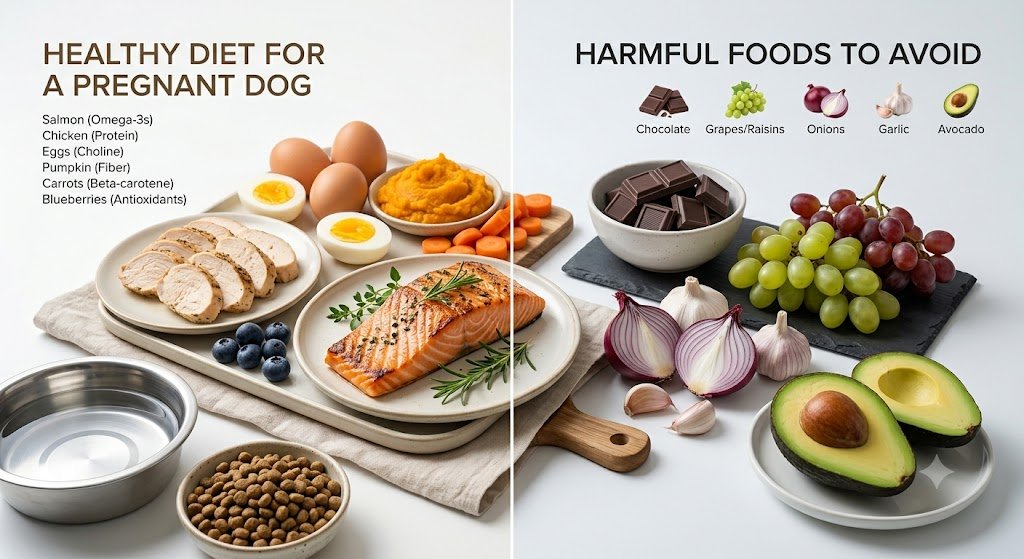
Foods Pregnant Dogs Should Eat
Selecting nutritious foods is a fundamental part of the importance of diet during dog pregnancy. A balanced diet provides the protein, healthy fats, vitamins, minerals, and energy needed to support the mother’s health and the puppies’ development. Following a proper diet for dogs pregnancy means choosing foods that are complete, digestible, and appropriate for each stage of gestation.
Recommended Foods
Most veterinarians recommend feeding a complete and balanced commercial diet formulated for growth or all life stages during pregnancy. These diets are designed to meet the increased nutritional demands of pregnant dogs.
Recommended foods include:
- High-quality puppy food with balanced nutrition.
- Lean chicken and turkey.
- Lean beef or lamb.
- Fish rich in omega-3 fatty acids, such as salmon or sardines (properly cooked and boneless).
- Cooked eggs in moderation.
- Plain cooked rice or oatmeal for easily digestible carbohydrates.
- Pumpkin for dietary fiber and digestive support.
- Small amounts of dog-safe vegetables such as carrots, green beans, and sweet potatoes.
These foods provide high-quality protein, healthy fats, essential amino acids, vitamins, and minerals that contribute to healthy fetal growth and maternal well-being.
Safe Treats
Treats should complement—not replace—a balanced dogs pregnancy diet plan. They should account for only a small portion of the dog’s daily calorie intake.
Safe treats include:
- Small pieces of cooked chicken.
- Plain cooked turkey.
- Dog-safe fruits such as blueberries and apple slices (without seeds).
- Carrot sticks.
- Plain pumpkin.
- Commercial dog treats formulated with high-quality ingredients.
Avoid feeding excessive treats, as they can unbalance the overall diet and contribute to unnecessary weight gain.
Foods That Support Key Nutrients
| Food | Primary Nutritional Benefit |
|---|---|
| High-quality puppy food | Complete and balanced nutrition |
| Chicken and turkey | High-quality protein |
| Salmon and sardines | Omega-3 fatty acids (including DHA) |
| Eggs | Protein, healthy fats, and vitamins |
| Pumpkin | Fiber and digestive support |
| Sweet potatoes | Complex carbohydrates and vitamins |
| Carrots and green beans | Fiber, antioxidants, and essential nutrients |
Tips for Building a Proper Diet
To maintain a proper diet for dogs pregnancy, follow these best practices:
- Feed nutritionally complete meals rather than relying on supplements.
- Introduce dietary changes gradually to avoid digestive upset.
- Choose easily digestible, high-quality ingredients.
- Divide daily food into smaller meals during late pregnancy.
- Always provide unlimited access to fresh, clean water.
- Consult a veterinarian before making major dietary changes or adding supplements.
Summary
Choosing nutritious foods reinforces the importance of diet during dog pregnancy by supplying the nutrients required for healthy fetal development and maternal health. A proper diet for dogs pregnancy built around complete, balanced foods supports every stage of gestation, while a carefully planned dogs pregnancy diet plan helps ensure both the mother and her puppies receive optimal nutrition.
Key Points
- Feed a complete and balanced diet formulated for growth or all life stages.
- Prioritize high-quality protein and healthy fats.
- Include DHA-rich foods to support puppy brain development.
- Offer healthy treats in moderation.
- Introduce dietary changes gradually.
- Fresh water should always be available throughout pregnancy.
The Importance of Diet During Dog Pregnancy: Key Takeaways for Healthy Mothers and Puppies
The importance of diet during dog pregnancy extends far beyond simply feeding more food. Proper nutrition supports every stage of pregnancy, from early fetal development to successful delivery and healthy lactation. A balanced diet helps maintain the mother’s overall health while providing the essential nutrients required for puppies to develop strong bones, healthy organs, a robust immune system, and normal brain function.
Following a proper diet for dogs pregnancy means focusing on nutrient quality, appropriate calorie intake, and feeding adjustments as pregnancy progresses. High-quality protein, healthy fats, balanced vitamins and minerals, and adequate hydration all play vital roles in ensuring a healthy pregnancy. Regular body condition monitoring and veterinary guidance further help reduce the risk of nutritional deficiencies and pregnancy-related complications.
A well-structured dogs pregnancy diet plan should evolve throughout gestation, providing additional calories and smaller, more frequent meals during the later weeks when energy demands are highest. Avoid unnecessary supplements unless prescribed by a veterinarian, and choose complete and balanced dog food formulated for growth or all life stages to meet the increased nutritional requirements.
By understanding the importance of diet during dog pregnancy and implementing evidence-based feeding practices, dog owners can improve the health of both the mother and her puppies while supporting a smoother pregnancy, safer whelping, and successful nursing.
Summary
The importance of diet during dog pregnancy lies in providing complete, balanced nutrition that supports maternal health, healthy fetal growth, safe delivery, and optimal milk production. A carefully planned proper diet for dogs pregnancy combined with a stage-appropriate dogs pregnancy diet plan is one of the most effective ways to promote healthy outcomes for both the mother and her litter.
Key Points
- The importance of diet during dog pregnancy is fundamental to healthy maternal and puppy development.
- A proper diet for dogs pregnancy should provide high-quality protein, healthy fats, essential vitamins, minerals, and continuous access to fresh water.
- A stage-based dogs pregnancy diet plan helps meet changing nutritional needs throughout gestation.
- Nutrient quality is more important than simply increasing food quantity.
- Avoid overfeeding, nutritional deficiencies, and unnecessary supplementation.
- Regular veterinary checkups and body condition monitoring support a healthy pregnancy and successful lactation.
Conclusion
The importance of diet during dog pregnancy cannot be overstated, as proper nutrition directly influences the health of both the mother and her developing puppies. Feeding a balanced, nutrient-rich diet throughout gestation supports fetal growth, maintains the mother’s body condition, reduces the risk of pregnancy-related complications, and prepares her for successful lactation.
A proper diet for dogs pregnancy should focus on high-quality protein, healthy fats, balanced vitamins and minerals, and adequate hydration rather than simply increasing food quantity. Following a stage-specific dogs pregnancy diet plan allows owners to meet changing nutritional requirements from early pregnancy through whelping and nursing.
By combining a complete and balanced diet with regular veterinary care, weight monitoring, and appropriate feeding practices, dog owners can help ensure a healthier pregnancy, safer delivery, and the best possible start for newborn puppies.
FAQs
1. Why is diet important during dog pregnancy?
The importance of diet during dog pregnancy lies in providing the nutrients needed for healthy fetal development, maintaining the mother’s health, supporting safe delivery, and preparing for successful milk production after birth.
2. What is the best proper diet for dogs pregnancy?
A proper diet for dogs pregnancy consists of a complete and balanced commercial diet formulated for growth or all life stages. It should provide high-quality protein, healthy fats, vitamins, minerals, and adequate calories to support pregnancy.
3. When should I change my dog’s diet during pregnancy?
Most pregnant dogs can remain on their normal balanced diet during the first few weeks. Nutritional requirements increase significantly from around the fifth week of pregnancy, when a gradual transition to a nutrient-dense diet is typically recommended.
4. Can a pregnant dog eat puppy food?
Yes. High-quality puppy food is often recommended during pregnancy because it contains higher levels of protein, fat, and essential nutrients needed to support fetal growth and prepare the mother for lactation.
5. How often should a pregnant dog be fed?
During late pregnancy, feeding three to four smaller meals each day is generally more comfortable than one or two large meals because the growing puppies reduce stomach capacity.
6. Should pregnant dogs receive calcium supplements?
Not usually. Most complete and balanced diets provide sufficient calcium. Giving additional calcium without veterinary advice may increase the risk of complications after whelping.
7. What foods should pregnant dogs avoid?
Pregnant dogs should avoid chocolate, grapes, raisins, onions, garlic, xylitol-containing products, alcohol, caffeine, raw meat, raw eggs, cooked bones, and excessive fatty or salty foods.