A dog pregnancy calculator is a tool that estimates a dog’s expected due date using the breeding or ovulation date. It helps owners track the approximately 63-day gestation period, monitor pregnancy progress, and prepare for whelping. A dog pregnancy calculator week by week pictures guide goes a step further by combining due date estimation with visual pregnancy milestones, making it easier to follow both the mother’s physical changes and puppy development throughout each week.
How It Works
A dog pregnancy calculator uses the breeding or ovulation date to estimate the expected delivery date and calculate the current stage of pregnancy. Since most dogs are pregnant for about 63 days from ovulation, the calculator provides a timeline of important milestones leading up to birth.
Most dog pregnancy calculators include:
- Estimated due date.
- Current pregnancy week.
- Days remaining until whelping.
- Week-by-week pregnancy timeline.
- Puppy development milestones.
- Labor preparation reminders.
Our dog pregnancy calculator week by week guide helps dog owners understand the different stages of canine pregnancy with easy-to-follow pictures and explanations. From the first weeks of pregnancy to the final days before birth, you can track your dog’s pregnancy progress, understand puppy development, and learn what changes to expect each week. The guide also explains important milestones, including early pregnancy signs, fetal development, changes in your dog’s body, and preparation for whelping. By using a dog pregnancy calculator alongside our week-by-week pictures, you can get a clearer idea of your dog’s pregnancy timeline and estimated due date. This visual guide makes it easier to follow your dog’s pregnancy journey and prepare for the arrival of the puppies.
Why Use a Dog Pregnancy Calculator?
Using a dog pregnancy calculator week by week pictures guide helps owners understand every stage of pregnancy while preparing for a healthy delivery. Weekly images make it easier to compare your dog’s physical changes and follow the puppies’ development from conception to birth.
Key benefits include:
- Calculating the expected due date.
- Tracking pregnancy progress week by week.
- Comparing weekly pregnancy pictures.
- Understanding fetal development.
- Preparing for labor and whelping.
- Knowing when veterinary care may be needed.
| Feature | Benefit |
|---|---|
| Due date estimation | Predicts the expected whelping date. |
| Week-by-week tracking | Monitors pregnancy progress. |
| Weekly pictures | Shows visible changes throughout pregnancy. |
| Puppy development guide | Explains fetal growth each week. |
| Labor preparation | Helps owners prepare for delivery. |
Summary
A dog pregnancy calculator week by week pictures guide combines a due date calculator with a visual pregnancy timeline. It allows dog owners to estimate the expected delivery date, monitor pregnancy milestones, compare weekly pictures, and understand puppy development from the first week through whelping.
Keypoints
- A dog pregnancy calculator estimates the due date based on breeding or ovulation.
- The average dog pregnancy lasts about 63 days.
- Week-by-week pictures help visualize pregnancy progress and puppy development.
- Tracking each stage helps owners prepare for labor and whelping.
- Regular veterinary care is essential throughout pregnancy.
How Long Is a Dog Pregnant?
The Standard Dog Pregnancy Timeline
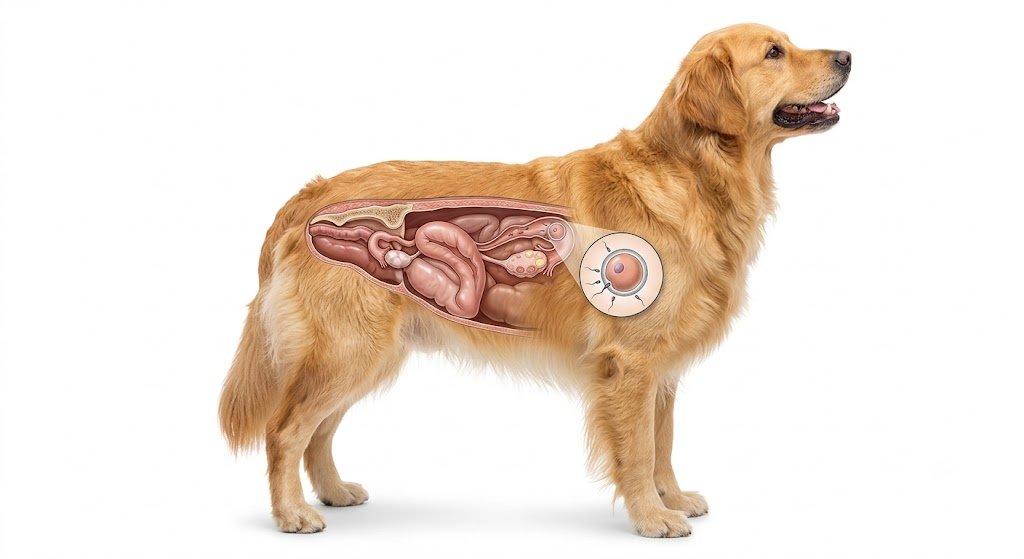
A healthy dog pregnancy typically lasts about 63 days from ovulation, which equals roughly 9 weeks. However, when using a dog pregnancy calculator week by week pictures guide, remember that the estimated due date is a projection—not an exact delivery date. Healthy pregnancies commonly fall between 58 and 68 days, and many dogs give birth a few days earlier or later than the calculated estimate.
Rather than focusing on a single due date, it’s more useful to monitor your dog’s progress week by week and compare physical changes with the expected pregnancy milestones.
| Pregnancy Timeline | Average Duration |
|---|---|
| Gestation period | About 63 days |
| Normal pregnancy range | 58–68 days |
| Pregnancy length | Approximately 9 weeks |
| Best due date estimate | Based on ovulation |
Why the Due Date Can Vary
Even the most accurate calculator cannot predict the exact day puppies will be born. Several natural factors influence when labor begins.
Common factors include:
- The exact day ovulation occurred.
- Whether the calculation is based on breeding or ovulation.
- Individual differences between dogs.
- Litter size.
- Overall maternal health.
- Natural variation in the onset of labor.
For this reason, treat the calculator as a planning tool rather than a guaranteed delivery schedule.
How to Get the Most Accurate Due Date
To improve accuracy, enter the ovulation date whenever it’s available. If you only know the breeding date, the calculator still provides a useful estimate, but the actual whelping date may vary by a few days.
You can also improve your prediction by combining the calculator with:
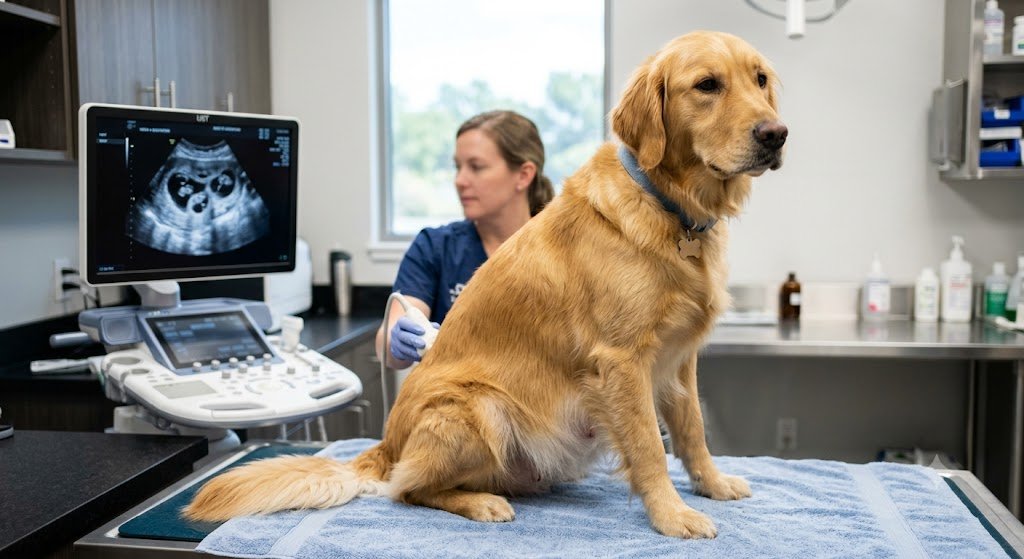
- Veterinary ultrasound around Days 25–35.
- X-rays after Day 45 to confirm fetal development.
- Daily observations of physical and behavioral changes.
- Week-by-week pregnancy pictures to compare your dog’s progress.
- Temperature monitoring during the final week before labor.
Using multiple methods gives you a much clearer picture than relying on the due date alone.
Summary
A dog pregnancy calculator week by week pictures guide is most effective when used to monitor the entire pregnancy—not just estimate the due date. While the average pregnancy lasts about 63 days, tracking weekly milestones, comparing visual changes, and following veterinary guidance provides a more accurate understanding of your dog’s pregnancy.
Keypoints
- Most dog pregnancies last about 63 days, with a normal range of 58–68 days.
- A calculator estimates the due date but cannot predict the exact day of birth.
- Ovulation-based calculations are more accurate than breeding-date estimates.
- Compare your dog’s progress with week-by-week pictures for better tracking.
- Combine calculator results with veterinary checkups for the most reliable pregnancy monitoring.
How to Use a Dog Pregnancy Calculator
Calculate Using the Breeding Date
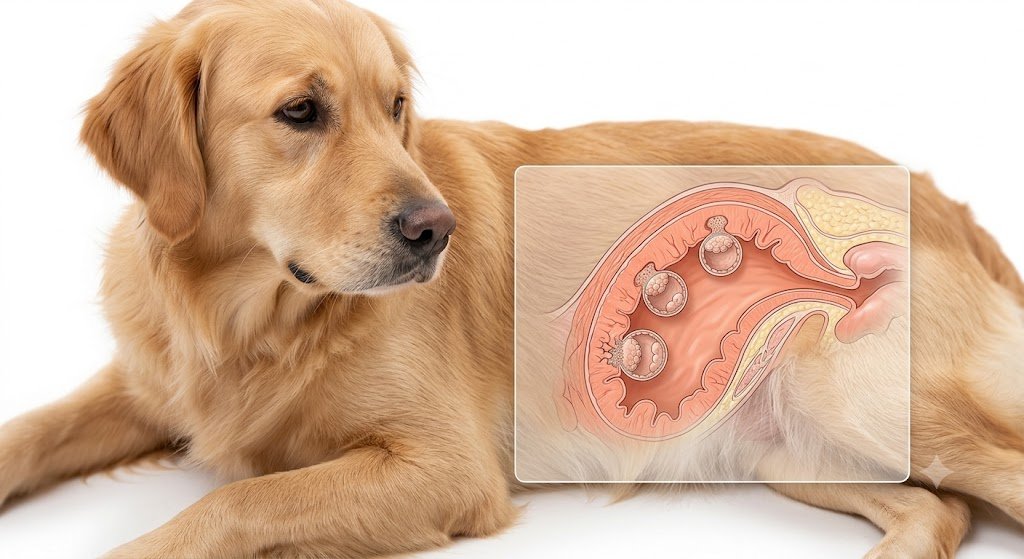
If you know the date your dog was bred, enter it into a dog pregnancy calculator to receive an estimated due date and pregnancy timeline. While this method is convenient, it may be a few days off because fertilization doesn’t always occur immediately after mating.
The calculator typically displays:
- Estimated whelping date.
- Current pregnancy week.
- Days remaining until delivery.
- Weekly pregnancy milestones.
- Expected labor timeframe.
Calculate Using the Ovulation Date
The ovulation date provides the most accurate pregnancy estimate because canine gestation is measured from ovulation rather than mating. If progesterone testing was performed during breeding, use the ovulation date instead of the breeding date whenever possible.
This method offers:
- A more precise due date.
- Better week-by-week tracking.
- Improved labor preparation.
- More accurate fetal development milestones.
Understanding Your Calculator Results
A dog pregnancy calculator week by week pictures guide doesn’t just estimate the due date—it helps you understand what should be happening throughout each stage of pregnancy.
As you progress through the weeks, compare your dog’s development with the calculator’s timeline to monitor:
- Physical body changes.
- Pregnancy symptoms.
- Puppy development.
- Nutritional requirements.
- Labor preparation milestones.
This combination of dates and visual progress makes it easier to recognize whether the pregnancy is developing as expected.
When the Calculator May Be Less Accurate
A pregnancy calculator provides an estimate, but several situations can affect its accuracy.
Results may vary if:
- The breeding date is uncertain.
- Multiple matings occurred over several days.
- Ovulation timing wasn’t confirmed.
- Pregnancy was diagnosed late.
- Labor begins naturally a few days earlier or later than expected.
If the estimated due date passes without signs of labor or your dog shows unusual symptoms, consult your veterinarian for further evaluation.
Summary
A dog pregnancy calculator week by week pictures guide is most effective when used with accurate breeding or ovulation dates. By combining due date estimates with weekly pregnancy milestones and visual comparisons, owners can better monitor fetal development, prepare for whelping, and recognize important changes throughout pregnancy.
Keypoints
- Enter the breeding or ovulation date to calculate the estimated due date.
- Ovulation-based calculations provide the highest accuracy.
- Use weekly pictures to compare your dog’s pregnancy progress.
- Treat the calculator as a planning tool rather than an exact prediction.
- Combine calculator results with routine veterinary care for the best pregnancy monitoring.
Dog Pregnancy Calculator Week by Week Pictures
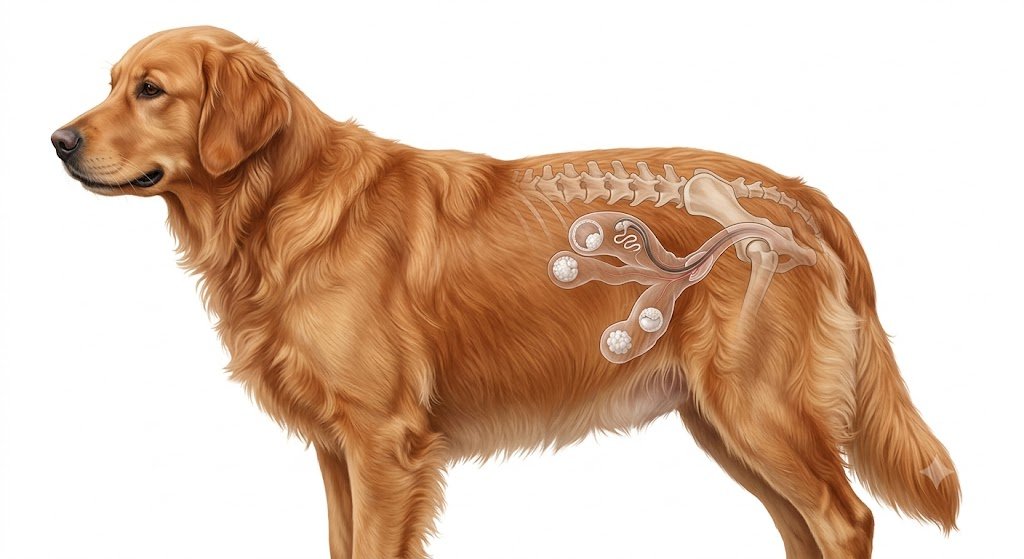
A dog pregnancy calculator week by week pictures guide helps you follow your dog’s pregnancy from conception to birth. While the calculator estimates the due date, weekly pictures make it easier to compare physical changes and understand how the puppies develop throughout the approximately 63-day gestation period.
Week 1: Fertilization Begins
During the first week, fertilization occurs after successful breeding. The fertilized eggs begin traveling toward the uterus, but there are usually no visible changes in the mother.
What to expect:
- Fertilization takes place.
- Embryos begin dividing into cells.
- No noticeable physical changes.
- Normal appetite and activity.
Week 2: Embryo Implantation
The embryos reach the uterus and implant into the uterine lining, where they continue developing. Externally, your dog will still appear unchanged.
What to expect:
- Embryos implant in the uterus.
- Placenta formation begins.
- Pregnancy remains invisible.
- Normal daily routine continues.
Week 3: Early Pregnancy Signs
By the third week, the embryos develop rapidly, and the first subtle pregnancy symptoms may appear in some dogs.
What to expect:
- Organ development begins.
- Mild appetite changes.
- Increased affection or tiredness.
- Pregnancy may be confirmed soon by ultrasound.
Week 4: Pregnancy Becomes Noticeable
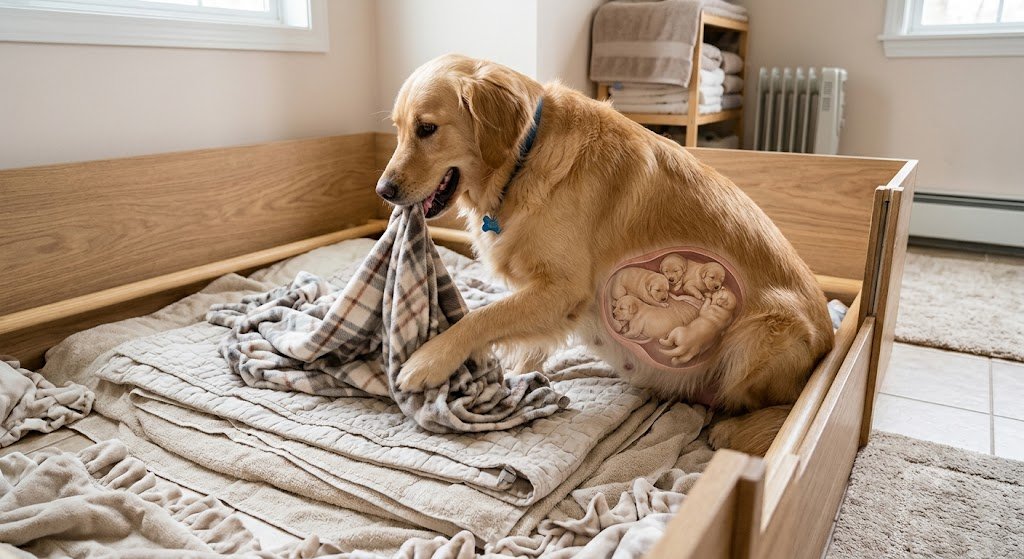
Week 4 marks an important stage as fetal growth accelerates. Some dogs begin showing small physical changes, and veterinarians can often confirm pregnancy with an ultrasound.
What to expect:
- Rapid fetal development.
- Slight abdominal enlargement.
- Enlarged nipples.
- Increased appetite.
Week 5: Visible Belly Growth
The abdomen becomes more noticeable as the puppies grow quickly. The mother’s nutritional needs also increase.
What to expect:
- Visible weight gain.
- Enlarging abdomen.
- Higher energy requirements.
- Increased food intake.
Week 6: Rapid Puppy Development
The puppies continue growing rapidly, and the mother’s body prepares for the final weeks of pregnancy.
What to expect:
- Puppies develop bones and claws.
- Abdomen becomes significantly larger.
- Reduced activity.
- More frequent resting.
Week 7: Nesting Begins
Many dogs begin preparing for birth by seeking a quiet place to rest. Puppy movement may also become visible.
What to expect:
- Nesting behavior.
- Milk glands enlarge.
- Puppy movement becomes noticeable.
- Increased sleeping.
Week 8: Preparing for Labor
The puppies are nearly fully developed. The mother may become restless as her due date approaches.
What to expect:
- Rapid fetal weight gain.
- Panting or restlessness.
- Reduced appetite.
- More time spent in the nesting area.
Week 9: Ready for Whelping
During the final week, labor can begin at any time. A drop in body temperature and strong nesting behavior are common signs that delivery is approaching.
What to expect:
- Body temperature drops below 99°F (37.2°C).
- Active nesting.
- Panting and restlessness.
- Contractions begin before puppy delivery.
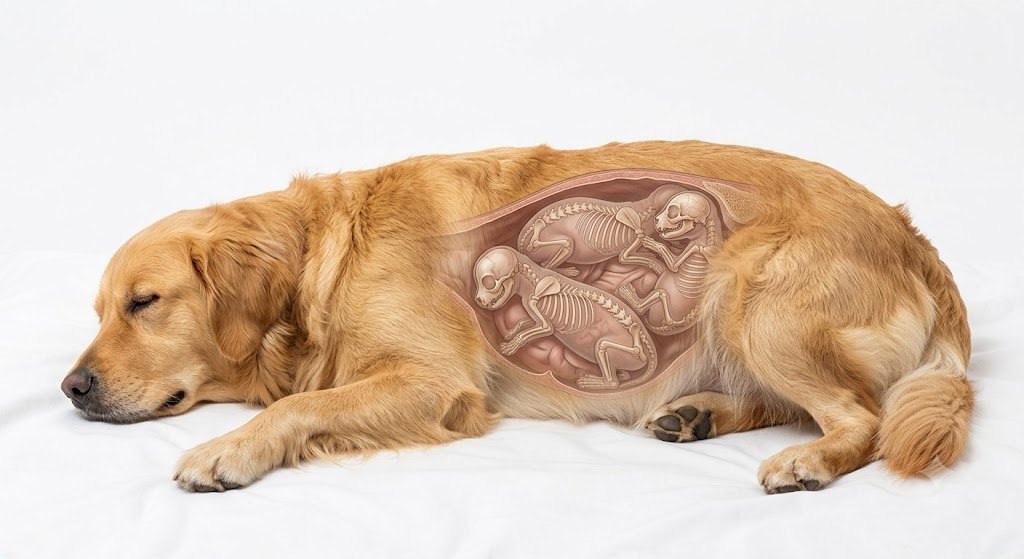
Dog Pregnancy Week-by-Week Timeline
| Week | Puppy Development | Mother’s Changes |
|---|---|---|
| Week 1 | Fertilization | No visible changes |
| Week 2 | Embryo implantation | Normal appearance |
| Week 3 | Organ development begins | Mild pregnancy symptoms |
| Week 4 | Rapid fetal growth | Enlarged nipples, slight belly growth |
| Week 5 | Puppies grow quickly | Noticeable abdomen, weight gain |
| Week 6 | Bones and claws develop | Reduced activity |
| Week 7 | Puppies become more active | Nesting begins |
| Week 8 | Final fetal growth | Restlessness, milk production |
| Week 9 | Puppies ready for birth | Temperature drop, labor signs |
Summary
A dog pregnancy calculator week by week pictures guide provides a visual timeline of pregnancy from Week 1 through Week 9. Comparing weekly pictures with your dog’s physical changes helps you monitor fetal development, track pregnancy milestones, and prepare for a healthy delivery.
Keypoints
- Follow pregnancy progress from Week 1 to Week 9.
- Weekly pictures help visualize fetal and physical development.
- Pregnancy signs become more noticeable after Week 3.
- Nesting and labor preparation typically begin during Weeks 7–9.
- Use the calculator alongside weekly images to track your dog’s pregnancy accurately.
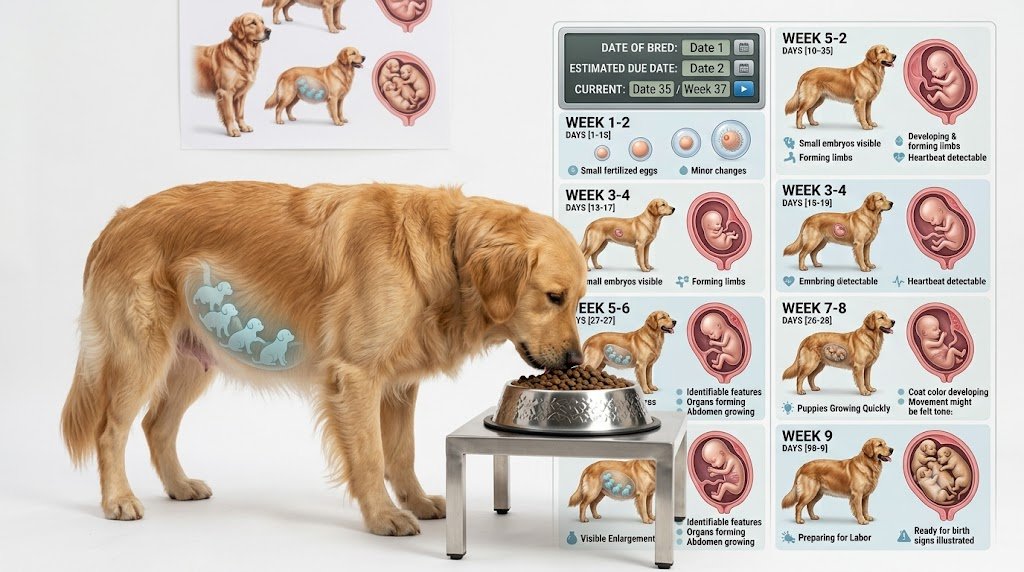
Dog Pregnancy Symptoms Week by Week
Pregnancy symptoms change as your dog’s pregnancy progresses. A dog pregnancy calculator week by week pictures guide helps you compare these changes with your dog’s current stage, making it easier to monitor normal development and recognize when veterinary advice may be needed.
Weeks 1–3: Early Pregnancy Symptoms
The first few weeks often show very few visible signs. Many dogs behave normally while hormonal changes begin internally.
Common early symptoms include:
- Mild decrease or increase in appetite.
- Slight fatigue.
- Increased affection or clinginess.
- Occasional morning sickness.
- More frequent sleeping.
These early signs are subtle and vary from dog to dog.
Weeks 4–6: Mid-Pregnancy Symptoms
As the puppies grow, physical changes become easier to recognize. This is when many owners first notice that their dog is pregnant.
Typical mid-pregnancy symptoms include:
- Enlarging abdomen.
- Gradual weight gain.
- Enlarged or pinker nipples.
- Increased appetite.
- Calmer behavior.
- Reduced activity levels.
An ultrasound or veterinary examination can usually confirm pregnancy during this stage.
Weeks 7–9: Late Pregnancy Symptoms
During the final weeks, your dog prepares for labor. Behavioral and physical changes become much more obvious as the due date approaches.
Common late-pregnancy symptoms include:
- Nesting behavior.
- Panting.
- Restlessness.
- Milk production or leaking colostrum.
- Frequent urination.
- Loss of appetite shortly before labor.
- Body temperature drop.
- Clear or mucus-like vaginal discharge.
These signs often indicate that whelping is approaching.
Dog Pregnancy Symptoms by Week
| Pregnancy Stage | Common Symptoms |
|---|---|
| Weeks 1–3 | Mild appetite changes, fatigue, increased affection, occasional morning sickness |
| Weeks 4–6 | Enlarged abdomen, weight gain, enlarged nipples, increased appetite |
| Weeks 7–9 | Nesting, panting, milk production, temperature drop, labor signs |
How to Monitor Pregnancy Symptoms
Comparing your dog’s symptoms with a dog pregnancy calculator week by week pictures guide helps you understand whether pregnancy is progressing as expected.
Monitor:
- Appetite and water intake.
- Body weight.
- Belly growth.
- Energy levels.
- Behavioral changes.
- Body temperature during the final week.
If you notice heavy bleeding, severe lethargy, persistent vomiting, or abnormal discharge, contact your veterinarian promptly.
Summary
A dog pregnancy calculator week by week pictures guide helps owners recognize normal pregnancy symptoms from the first week through labor. Tracking symptoms alongside weekly pictures provides a clearer understanding of your dog’s progress and helps identify any unusual changes that may require veterinary attention.
Keypoints
- Early pregnancy symptoms are often subtle.
- Physical changes become more noticeable during Weeks 4–6.
- Nesting and labor signs typically appear during Weeks 7–9.
- Compare symptoms with weekly pictures to track pregnancy progress.
- Seek veterinary care if abnormal symptoms or emergency signs develop.
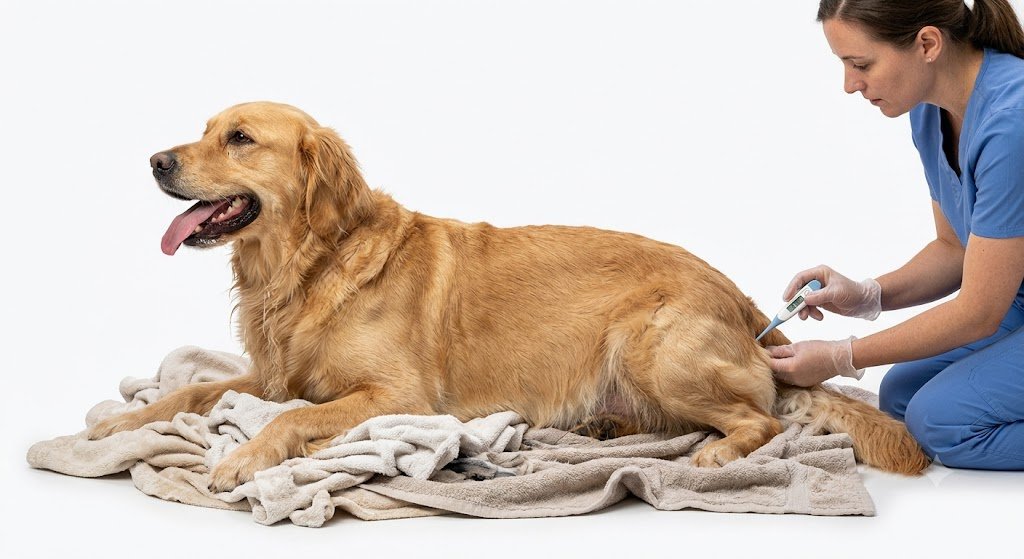
Puppy Development Week by Week
While a dog pregnancy calculator week by week pictures guide tracks the mother’s pregnancy, it also helps you understand how the puppies develop inside the womb. Each week brings important growth milestones, from microscopic embryos to fully formed puppies ready for birth.
Weeks 1–2: Fertilization and Implantation
The pregnancy begins with fertilization. During the first two weeks, the embryos divide into multiple cells and travel to the uterus, where they implant in the uterine lining.
Key developments include:
- Fertilization occurs.
- Embryos divide rapidly.
- Implantation in the uterus.
- Placenta formation begins.
Weeks 3–4: Organ Formation
The embryos grow quickly as major organs and body structures begin to form. Although still very small, the puppies start developing the foundation for all essential body systems.
Major milestones include:
- Heartbeat begins.
- Brain and spinal cord develop.
- Limb buds appear.
- Facial features begin forming.
Weeks 5–6: Rapid Growth
Growth accelerates during this stage. The puppies become more recognizable, and their skeletons begin hardening.
Development during these weeks includes:
- Bones mineralize.
- Toes and claws form.
- Internal organs continue maturing.
- Body size increases rapidly.
This is also when the mother’s abdomen becomes noticeably larger.
Weeks 7–9: Final Development
During the final weeks, the puppies complete their development and gain most of their body weight before birth.
By the end of pregnancy:
- Fur coat develops.
- Eyes and ears are fully formed.
- Lungs continue maturing.
- Puppies become more active inside the uterus.
- They are fully developed and ready for birth around Day 63.
Puppy Development Timeline
| Pregnancy Stage | Puppy Development |
|---|---|
| Weeks 1–2 | Fertilization, cell division, and implantation |
| Weeks 3–4 | Major organs, heartbeat, limbs, and facial features begin developing |
| Weeks 5–6 | Bones harden, claws form, and rapid body growth occurs |
| Weeks 7–9 | Fur develops, organs mature, and puppies gain most of their birth weight |
Why Week-by-Week Pictures Are Helpful
Weekly pictures make fetal development easier to understand by showing how the puppies change throughout pregnancy. When paired with a dog pregnancy calculator week by week pictures guide, they help owners visualize growth milestones and compare their dog’s progress with each stage of gestation.
Summary
A dog pregnancy calculator week by week pictures guide makes it easier to follow puppy development from fertilization through birth. Understanding these weekly milestones helps owners track fetal growth, prepare for upcoming changes, and support a healthy pregnancy.
Keypoints
- Puppy development follows predictable stages over approximately 63 days.
- Major organs begin forming during Weeks 3–4.
- Rapid growth occurs in Weeks 5–6.
- Most weight gain happens during Weeks 7–9.
- Week-by-week pictures help visualize fetal development and pregnancy progress.
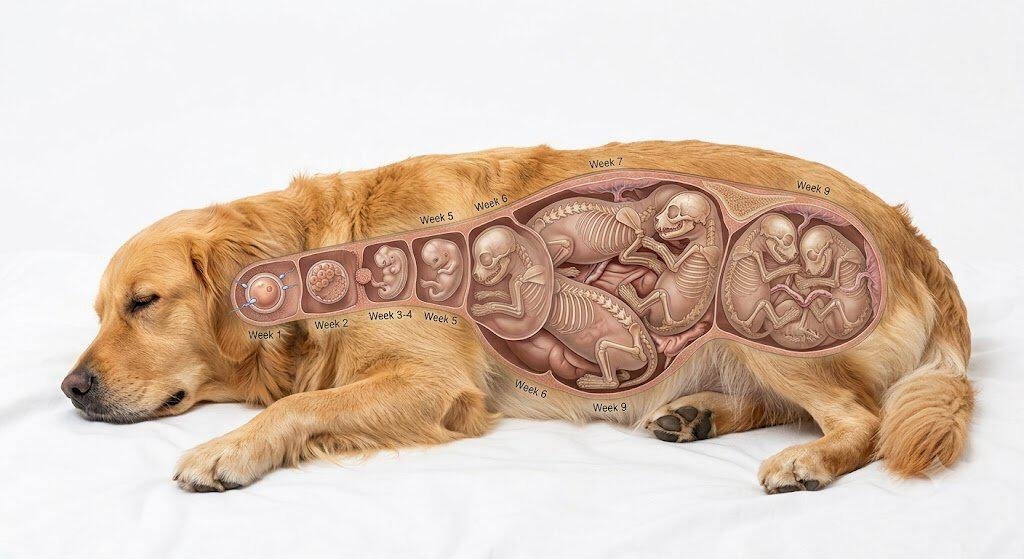
How to Care for a Pregnant Dog
Providing the right care throughout pregnancy supports the mother’s health and gives the puppies the best start in life. A dog pregnancy calculator week by week pictures guide can help you adjust your dog’s care routine as pregnancy progresses because nutritional needs, activity levels, and veterinary care change from week to week.
Nutrition Throughout Pregnancy
A pregnant dog’s nutritional requirements increase gradually, especially during the second half of pregnancy when the puppies grow most rapidly. Instead of making major diet changes early on, adjust feeding based on your dog’s pregnancy stage.
| Pregnancy Stage | Feeding Recommendation |
|---|---|
| Weeks 1–4 | Continue feeding a high-quality, balanced adult dog food. |
| Weeks 5–6 | Gradually increase daily calories and divide meals into smaller portions. |
| Weeks 7–9 | Feed smaller, frequent meals to accommodate reduced stomach space. |
General nutrition tips:
- Choose a complete and balanced dog food.
- Keep fresh water available at all times.
- Avoid overfeeding during early pregnancy.
- Do not add supplements unless your veterinarian recommends them.
Exercise and Daily Activity
Regular exercise helps maintain muscle tone and prevents excessive weight gain, but it should remain gentle throughout pregnancy.
Recommended activities include:
- Daily walks at a comfortable pace.
- Light play sessions.
- Gentle stretching and movement.
- Plenty of rest between activities.
Avoid:
- Long-distance running.
- Jumping or agility training.
- Rough play with other dogs.
- Activities that could cause abdominal injury.
Veterinary Care and Health Monitoring
Routine veterinary visits allow your veterinarian to monitor both the mother and her developing puppies.
Recommended checkups include:
- Pregnancy confirmation by ultrasound.
- Physical examinations.
- X-rays after Day 45 to estimate litter size.
- Weight and body condition assessments.
- Guidance on labor and whelping preparation.
Following a dog pregnancy calculator week by week pictures timeline can also help you know when these veterinary milestones typically occur.
Preparing for the Final Weeks
As your dog’s due date approaches, begin preparing for labor and monitor changes more closely.
During the final weeks:
- Introduce the whelping box.
- Monitor body temperature daily.
- Watch for nesting behavior.
- Keep emergency veterinary contact information readily available.
- Gather essential whelping supplies before labor begins.
Summary
Caring for a pregnant dog involves proper nutrition, moderate exercise, routine veterinary care, and preparing for whelping. Using a dog pregnancy calculator week by week pictures guide helps owners adjust care according to each pregnancy stage and ensures both the mother and her puppies receive the support they need.
Keypoints
- Adjust feeding as pregnancy progresses rather than increasing food immediately.
- Maintain gentle daily exercise while avoiding strenuous activities.
- Schedule routine veterinary checkups throughout pregnancy.
- Prepare a whelping area before the expected due date.
- Use a week-by-week pregnancy guide to anticipate your dog’s changing care needs.
Preparing for Whelping
Preparing for whelping before your dog’s due date helps reduce stress and creates a safe environment for both the mother and her puppies. A dog pregnancy calculator week by week pictures guide is useful during the final weeks because it helps you anticipate when labor is approaching and when to begin making preparations.
Set Up a Whelping Box Early
Introduce the whelping box 7–14 days before the expected due date so your dog has enough time to become familiar with it. Choose a quiet, draft-free area where she can rest without interruptions.
A good whelping box should:
- Be large enough for the mother to stretch out comfortably.
- Have pig rails to help protect newborn puppies.
- Use clean, washable bedding.
- Be easy to clean and disinfect.
- Provide a warm, secure environment.
Essential Whelping Supplies
Having supplies ready before labor begins helps you respond quickly if assistance is needed.
| Supply | Purpose |
|---|---|
| Whelping box | Safe area for delivery and nursing |
| Clean towels | Dry and stimulate newborn puppies |
| Digital rectal thermometer | Monitor temperature before labor |
| Disposable gloves | Maintain hygiene during delivery |
| Sterile scissors | Cut the umbilical cord if necessary |
| Unwaxed dental floss or sterile clamps | Tie the umbilical cord if needed |
| Puppy scale | Monitor daily weight gain |
| Heating pad or heat lamp* | Keep puppies warm after birth |
| Veterinarian’s phone number | Immediate access during emergencies |
*Always use heating devices safely to avoid overheating newborn puppies.
Monitor Body Temperature
A drop in body temperature is one of the most reliable signs that labor is near.
For accurate monitoring:
- Begin checking temperature 7–10 days before the due date.
- Use a digital rectal thermometer.
- Record readings at the same time each day.
- Check twice daily during the final few days.
- A temperature below 99°F (37.2°C) often indicates labor may begin within 12–24 hours.
Prepare Your Home for Delivery
A calm environment helps the mother focus on labor and reduces unnecessary stress.
Before whelping:
- Keep the room quiet.
- Limit visitors and other pets.
- Place food and water near the whelping box.
- Keep extra bedding and towels nearby.
- Ensure emergency transportation is available if veterinary assistance becomes necessary.
Summary
Preparing for whelping is easier when you combine advance planning with a dog pregnancy calculator week by week pictures guide. Setting up the whelping area early, gathering essential supplies, monitoring body temperature, and creating a calm environment help ensure you’re ready when labor begins.
Keypoints
- Prepare the whelping box 1–2 weeks before the due date.
- Gather all essential supplies before labor starts.
- Monitor body temperature during the final week.
- Create a quiet, clean, and comfortable birthing area.
- Keep your veterinarian’s contact information easily accessible in case of an emergency.
Signs Your Dog Is About to Give Birth
As your dog’s due date approaches, several physical and behavioral changes indicate that labor is near. Instead of relying only on the estimated date, use a dog pregnancy calculator week by week pictures guide together with daily observations to recognize when your dog is entering the final stage of pregnancy.
Behavioral Changes Before Labor
Most dogs begin acting differently 24–48 hours before whelping as their bodies prepare for delivery.
Common behavioral signs include:
- Nesting by arranging blankets or bedding.
- Restlessness or pacing.
- Seeking a quiet place to hide.
- Panting without exercise.
- Refusing food or eating less.
- Increased clinginess or wanting to be alone.
- Frequent licking of the vulva.
These behaviors are normal and usually indicate that labor is approaching.
Physical Signs of Labor
Physical changes become more obvious during the final hours before puppy delivery.
Watch for:
- Enlarged mammary glands.
- Milk production or leaking colostrum.
- Swollen, relaxed vulva.
- Clear or mucus-like vaginal discharge.
- Visible abdominal contractions.
- Relaxed pelvic muscles.
These signs often appear shortly before active labor begins.
Temperature Drop Before Whelping
A dog’s normal body temperature is usually 101–102.5°F (38.3–39.2°C). About 12–24 hours before labor, it commonly drops below 99°F (37.2°C).
For the best results:
- Check the temperature at the same time each day.
- Increase monitoring to twice daily during the final week.
- Record readings to identify sudden changes.
- Compare the timing with your dog pregnancy calculator week by week pictures timeline.
When Active Labor Begins
Once strong contractions start, puppy delivery is usually close.
Signs of active labor include:
- Regular, forceful contractions.
- Visible straining.
- Appearance of the amniotic sac.
- Birth of the first puppy.
- Continued contractions until all puppies are delivered.
If your dog strains continuously for 20–30 minutes without producing a puppy, or if more than 2 hours pass between puppies while active contractions continue, contact your veterinarian immediately.
Summary
The final stage of a dog pregnancy calculator week by week pictures timeline is marked by clear behavioral and physical changes. Nesting, panting, a drop in body temperature, and strong contractions are reliable indicators that labor is about to begin and that puppies will soon be delivered.
Keypoints
- Behavioral changes often begin 24–48 hours before labor.
- Milk production and vaginal discharge are common physical signs.
- A body temperature below 99°F (37.2°C) often signals labor within 12–24 hours.
- Strong contractions indicate active labor has started.
- Seek immediate veterinary care if labor does not progress normally or emergency signs appear.
Conclusion
A dog pregnancy calculator week by week pictures guide is more than just a due date estimator—it’s a practical resource for monitoring every stage of pregnancy. By combining an estimated whelping date with weekly milestones, visual comparisons, and puppy development updates, owners can better understand what to expect throughout the approximately 63-day gestation period. When used alongside regular veterinary care, this approach helps you prepare for labor, recognize important pregnancy changes, and provide the best possible care for both the mother and her puppies.
Frequently Asked Questions
How accurate is a dog pregnancy calculator?
A dog pregnancy calculator provides an estimated due date based on the breeding or ovulation date. It is most accurate when the ovulation date is known, but actual delivery may naturally occur a few days before or after the estimated date.
How many weeks is a dog pregnant?
Most dogs are pregnant for about 9 weeks, with an average gestation period of 63 days. A normal pregnancy typically ranges from 58 to 68 days.
Can I calculate my dog’s due date using the breeding date?
Yes. Most dog pregnancy calculators allow you to enter the breeding date. However, using the ovulation date generally provides a more accurate due date.
Why are week-by-week pictures useful?
Week-by-week pictures help owners compare physical changes, understand puppy development, and track pregnancy progress alongside the estimated due date.
When should I start preparing for whelping?
Begin preparing the whelping area 1–2 weeks before the expected due date. Have all essential supplies ready and start monitoring your dog’s body temperature during the final week.
When can a veterinarian confirm pregnancy?
Pregnancy can usually be confirmed by ultrasound around Days 25–35, while X-rays after Day 45 help estimate litter size.
Can all dog breeds use the same pregnancy calculator?
Yes. The average gestation period is similar across most dog breeds, so a standard dog pregnancy calculator can be used for both small and large breeds. However, individual pregnancies may vary slightly.