Dog Water Intake Calculator
Staying properly hydrated is essential for your dog’s overall health. A Dog Water Intake Calculator helps estimate how much water your dog should drink each day based on body weight and other important factors, giving you a practical starting point for monitoring hydration at home.
While healthy dogs generally require a predictable amount of water each day, their actual needs can vary depending on age, activity level, diet, weather, pregnancy, nursing, and certain medical conditions. Drinking significantly more or less water than normal may sometimes indicate an underlying health issue, making it important to monitor your dog’s daily water intake.
Whether you have a playful puppy, an active adult dog, or a senior companion, using a Dog Water Intake Calculator can help you understand your pet’s hydration needs and recognize when changes may require closer attention.
Important: The Dog Water Intake Calculator provides an estimated daily water requirement. It is designed as an educational tool and should not be used to diagnose dehydration, illness, or any medical condition. If your dog shows signs of dehydration, excessive thirst, vomiting, diarrhea, lethargy, or other concerning symptoms, contact your veterinarian promptly.
Why Monitoring Your Dog’s Water Intake Matters
Water supports nearly every function in your dog’s body. Maintaining proper hydration helps:
- Regulate body temperature.
- Support healthy kidney function.
- Aid digestion and nutrient absorption.
- Transport oxygen and nutrients throughout the body.
- Lubricate joints and tissues.
- Replace fluids lost through panting, exercise, urination, and normal daily activities.
Even small changes in your dog’s drinking habits can sometimes be an early sign of illness, making regular monitoring an important part of preventive care.
What This Dog Water Intake Calculator Helps You Estimate
The calculator estimates your dog’s recommended daily water intake by considering factors such as:
- Body weight
- Weight unit (kg or lb)
- Activity level
- Weather conditions
- Diet (dry food or wet food, if available)
After entering the required information, you’ll receive:
- Estimated daily water intake in milliliters (mL).
- Approximate daily water intake in cups.
- General hydration guidance.
- A reminder that individual water needs may vary.
Who Should Use This Calculator?
This calculator is useful for:
- First-time dog owners.
- Puppy owners.
- Owners of senior dogs.
- Active and working dogs.
- Dogs living in hot climates.
- Owners monitoring hydration during illness or recovery (under veterinary guidance).
Regardless of breed or age, regularly checking your dog’s water intake can help you notice changes early and support long-term health.
Summary
The Dog Water Intake Calculator estimates how much water your dog should drink each day based on body weight and other factors that influence hydration. It offers a convenient way to monitor daily water intake, but every dog is unique, so results should always be interpreted alongside your dog’s overall health and behavior.
Keypoints
- The Dog Water Intake Calculator estimates your dog’s daily hydration needs.
- Water requirements vary with weight, activity, diet, weather, age, and health.
- The calculator provides guidance, not a medical diagnosis.
- Monitoring daily water intake helps identify changes in your dog’s health.
- Always consult a veterinarian if your dog shows signs of dehydration, excessive thirst, or other concerning symptoms.
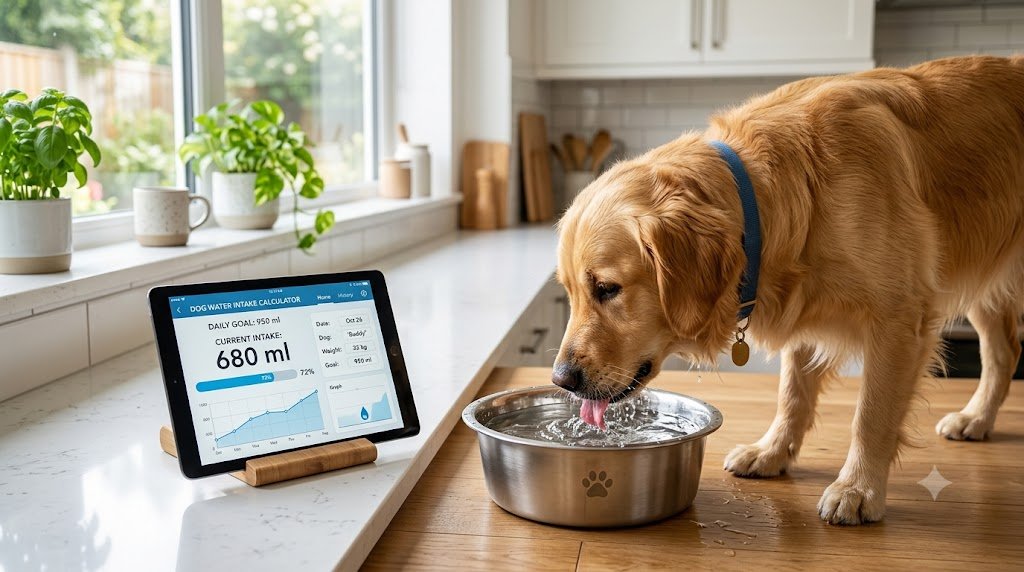
How the Dog Water Intake Calculator Works
The Dog Water Intake Calculator estimates your dog’s daily water requirement using body weight as the primary factor, along with other variables that can influence hydration. Instead of guessing whether your dog is drinking enough, the calculator provides a practical estimate that you can use to monitor your dog’s daily water intake.
Although every dog is different, healthy adult dogs generally require about 50–70 mL of water per kilogram (kg) of body weight per day. The calculator adjusts this estimate based on the information you provide.
What Information Do You Need?
To generate an estimate, the calculator may ask for:
- Dog’s body weight (kg or lb)
- Weight unit
- Activity level (low, moderate, or high)
- Weather conditions (normal or hot)
- Diet type (dry food, wet food, or mixed diet, if available)
Providing accurate information helps produce a more useful estimate.
How Is the Result Calculated?
The calculator uses your dog’s body weight as the starting point and then considers other factors that may increase or decrease daily water needs.
For example:
- Larger dogs generally require more water than smaller dogs.
- Active dogs lose more fluids through exercise and panting.
- Hot weather increases water requirements.
- Dogs eating mostly dry kibble often drink more water than dogs eating wet food.
The final result is presented as an estimated daily water intake rather than an exact requirement.
Understanding Your Results
After completing the calculation, you’ll typically see:
- Estimated daily water intake in milliliters (mL)
- Estimated daily water intake in cups
- General hydration guidance
- A reminder that individual needs may vary
These estimates can help you determine whether your dog’s current water intake appears to be within a normal range.
Example Calculation
Suppose your dog:
- Weighs 20 lb (9 kg)
- Has a moderate activity level
- Lives in normal weather conditions
The calculator may estimate a daily water requirement of approximately 450–630 mL, or about 2–3 cups of water per day.
Remember that this is only a guideline. Your dog may need more water after exercise, during hot weather, or while recovering from illness.
What Can Affect the Accuracy of the Estimate?
The calculator provides a reliable starting point, but it cannot account for every individual situation.
Water needs may change due to:
- Pregnancy or nursing
- Fever or infection
- Vomiting or diarrhea
- Kidney disease
- Diabetes
- Certain medications
- Extreme temperatures
- High levels of physical activity
If your dog’s drinking habits change suddenly or seem unusual, consult your veterinarian rather than relying solely on the calculator.
Calculator Limitations
The Dog Water Intake Calculator is intended for educational purposes only.
It cannot:
- Diagnose dehydration.
- Detect medical conditions.
- Replace a veterinary examination.
- Predict illness based on water intake alone.
Use the calculator as a helpful monitoring tool, but always seek professional veterinary advice if you have concerns about your dog’s health.
Summary
The Dog Water Intake Calculator estimates your dog’s daily hydration needs using body weight and other influencing factors. While it offers a convenient way to monitor water intake, the results should always be considered alongside your dog’s age, lifestyle, health status, and guidance from your veterinarian.
Keypoints
- The calculator estimates daily water needs based on body weight and other factors.
- Activity level, weather, and diet can significantly affect water requirements.
- Results are shown in both milliliters (mL) and cups for convenience.
- The estimate is a guideline and not an exact requirement.
- The calculator does not diagnose dehydration or replace veterinary care.
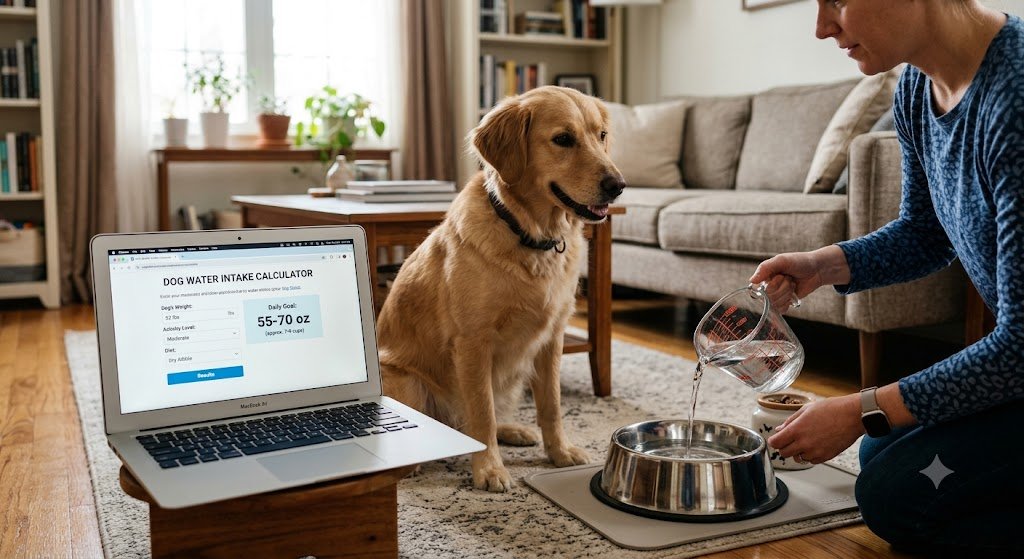
How Much Water Should a Dog Drink Per Day?
One of the most common questions dog owners ask is, “How much water should my dog drink each day?” While every dog is different, a healthy dog typically needs 50–70 mL of water per kilogram (kg) of body weight per day, or approximately 0.8–1 ounce of water per pound of body weight.
The Dog Water Intake Calculator uses this guideline, along with other factors such as activity level and weather, to estimate your dog’s daily hydration needs.
Quick Answer: Most healthy dogs need approximately 50–70 mL of water per kilogram of body weight every day, but puppies, active dogs, nursing mothers, and dogs living in hot climates may require more.
Dog Water Intake Chart by Weight
The table below provides estimated daily water requirements for healthy adult dogs under normal conditions.
| Dog Weight | Kilograms | Recommended Water Intake (mL/Day) | Approximate Cups/Day |
|---|---|---|---|
| 5 lb | 2.3 kg | 120–160 mL | ½–⅔ cup |
| 10 lb | 4.5 kg | 225–315 mL | 1–1⅓ cups |
| 20 lb | 9 kg | 450–630 mL | 2–2⅔ cups |
| 30 lb | 13.6 kg | 680–950 mL | 3–4 cups |
| 40 lb | 18 kg | 900–1,260 mL | 4–5⅓ cups |
| 50 lb | 22.7 kg | 1,135–1,590 mL | 4¾–6¾ cups |
| 60 lb | 27 kg | 1,350–1,890 mL | 5¾–8 cups |
| 80 lb | 36 kg | 1,800–2,520 mL | 7½–10½ cups |
| 100 lb | 45 kg | 2,250–3,150 mL | 9½–13⅓ cups |
Note: These values are estimates for healthy adult dogs. Your dog’s actual water needs may vary.
What Can Increase Your Dog’s Water Needs?
Your dog may naturally drink more water if they:
- Exercise regularly.
- Live in a hot or humid climate.
- Spend long periods outdoors.
- Eat mostly dry kibble.
- Are pregnant or nursing puppies.
- Are recovering from illness or surgery (under veterinary supervision).
In these situations, drinking more water is often normal.
What Can Decrease Water Intake?
Some dogs naturally drink less water when:
- Eating canned or wet food with high moisture content.
- Living in cooler weather.
- Being less active than usual.
However, if your dog suddenly refuses water or drinks far less than normal, monitor them closely and consult your veterinarian if the change continues.
Should You Measure Your Dog’s Water Every Day?
You don’t need to measure every bowl of water your dog drinks forever, but checking their intake for a few days can help you understand what is normal for your pet.
Monitoring water consumption is especially useful if:
- Your dog has recently been ill.
- Your veterinarian has recommended tracking water intake.
- Your dog has kidney disease, diabetes, or another medical condition.
- You notice changes in thirst or urination.
Knowing your dog’s normal drinking habits makes it easier to recognize unusual changes early.
Example Water Intake Calculations
Here are a few examples:
- 10 lb (4.5 kg) dog: approximately 225–315 mL (1–1⅓ cups) per day.
- 35 lb (16 kg) dog: approximately 800–1,120 mL (3½–4¾ cups) per day.
- 75 lb (34 kg) dog: approximately 1,700–2,380 mL (7–10 cups) per day.
These examples show why using a Dog Water Intake Calculator is more convenient than estimating manually.
Summary
Most healthy dogs require approximately 50–70 mL of water per kilogram of body weight each day, but their individual needs depend on factors such as activity level, diet, weather, and health. The Dog Water Intake Calculator provides a personalized estimate, helping you monitor your dog’s hydration more accurately.
Keypoints
- Healthy dogs generally need 50–70 mL of water per kg of body weight daily.
- Larger dogs naturally require more water than smaller dogs.
- Exercise, hot weather, pregnancy, and dry food increase water needs.
- Wet food and cooler temperatures may reduce drinking.
- The Dog Water Intake Calculator provides an estimate based on your dog’s individual information.
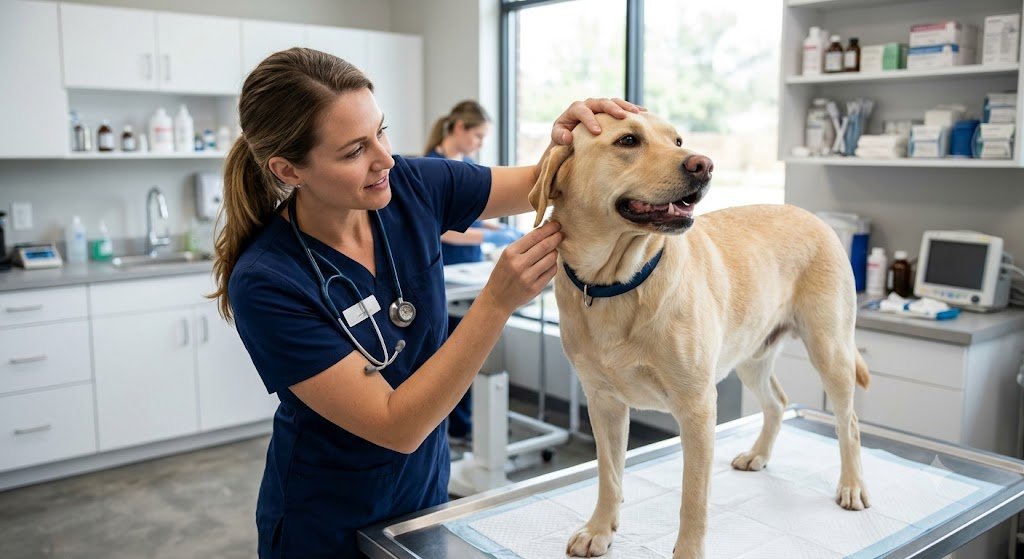
Factors That Affect Your Dog’s Water Intake
No two dogs have exactly the same hydration needs. While the Dog Water Intake Calculator provides a reliable estimate, your dog’s daily water intake can change based on several factors, including age, body weight, activity level, diet, weather, and overall health.
Understanding these factors helps you interpret the calculator’s results more accurately and recognize when changes in drinking habits are normal.
Body Weight
Body weight is the most important factor in determining how much water a dog needs. Larger dogs naturally require more water because they have more body tissue to support and higher overall fluid requirements.
This is why the Dog Water Intake Calculator uses your dog’s weight as the foundation for estimating daily water intake.
Age
Dogs of different ages have different hydration needs.
- Puppies often drink more water relative to their size because they are growing rapidly and tend to be more active.
- Adult dogs usually have stable water requirements that depend on their lifestyle.
- Senior dogs may drink more or less water depending on age-related health changes, medications, or reduced activity.
A noticeable change in an older dog’s drinking habits should always be discussed with a veterinarian.
Breed and Body Size
Although body weight plays the biggest role, breed characteristics can also influence hydration.
For example:
- Active breeds like Border Collies and Labrador Retrievers often require more water after exercise.
- Flat-faced (brachycephalic) breeds such as Bulldogs and Pugs may pant more in warm weather, increasing fluid loss.
- Giant breeds generally consume more water simply because of their larger size.
Activity Level
Exercise increases body temperature and causes dogs to lose water through panting.
Highly active dogs, working dogs, and sporting breeds typically need more water than dogs with a sedentary lifestyle.
Always provide fresh water before, during, and after physical activity.
Weather and Climate
Environmental conditions have a major impact on hydration.
Dogs usually drink more water during:
- Hot summer days
- Humid weather
- Heat waves
- Long outdoor activities
During colder months, dogs may drink slightly less, but they still require constant access to clean, fresh water.
Diet
Your dog’s diet directly affects how much water they need.
- Dry kibble contains very little moisture, so dogs often drink more water.
- Wet or canned food contains a high percentage of water, which may reduce the amount your dog drinks from the bowl.
- Dogs eating a mixed diet may have water needs somewhere between the two.
Regardless of diet, fresh drinking water should always be available.
Pregnancy and Nursing
Pregnant and nursing dogs require additional fluids to support both their own health and the development or feeding of their puppies.
Nursing mothers often have the highest water requirements because milk production demands significant amounts of water.
If your dog is pregnant or lactating, follow your veterinarian’s recommendations for hydration and nutrition.
Illness and Recovery
Certain illnesses can dramatically affect water intake.
Dogs may drink more or less water when experiencing:
- Fever
- Vomiting
- Diarrhea
- Kidney disease
- Diabetes
- Urinary tract infections
Dogs recovering from surgery or illness may also have changing hydration needs. Monitor their water intake closely and follow your veterinarian’s instructions.
Medications
Some medications can increase thirst as a side effect.
Examples include:
- Corticosteroids
- Diuretics
- Certain anti-seizure medications
If your dog starts drinking significantly more water after beginning a new medication, ask your veterinarian whether the change is expected.
Stress and Lifestyle Changes
Stress, travel, moving to a new home, boarding, or changes in routine can temporarily affect a dog’s drinking habits.
Most dogs return to their normal water intake once they become comfortable again. However, persistent changes should be evaluated by a veterinarian.
Summary
Many factors influence how much water your dog needs each day. While body weight is the primary factor used by the Dog Water Intake Calculator, age, breed, activity level, weather, diet, pregnancy, illness, medications, and lifestyle all play important roles. Understanding these factors helps you better interpret your dog’s hydration needs and recognize when changes may require attention.
Keypoints
- Body weight is the primary factor affecting daily water needs.
- Puppies, pregnant dogs, and nursing mothers often require more water.
- Exercise and hot weather increase fluid requirements.
- Wet food may reduce the amount of water a dog drinks.
- Illnesses and medications can significantly change drinking habits.
- Monitor sudden or persistent changes in water intake and consult your veterinarian if needed.
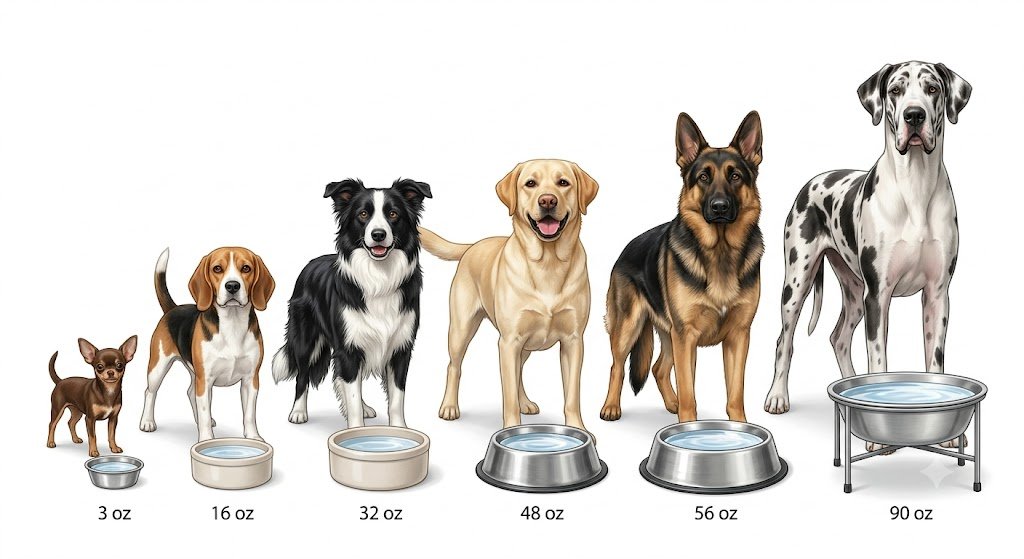
Puppy vs Adult vs Senior Water Needs
Dogs of all ages need access to fresh, clean water, but their daily hydration requirements are not always the same. Growth, activity level, metabolism, and age-related health changes can all affect how much water a dog drinks. While the Dog Water Intake Calculator estimates water needs based primarily on body weight, understanding life-stage differences helps you interpret the results more accurately.
Water Needs by Life Stage
| Life Stage | Typical Water Needs | Why It Changes |
|---|---|---|
| Puppy | Often higher relative to body weight | Rapid growth, higher metabolism, frequent play, and increased activity. |
| Adult Dog | Generally follows the standard recommendation | Stable metabolism with water needs mainly influenced by weight, diet, exercise, and weather. |
| Senior Dog | May increase or decrease depending on health | Aging, medications, kidney function, and reduced activity can all affect hydration. |
Puppy Water Needs
Puppies grow quickly and burn more energy than adult dogs, so they often require more water relative to their size. They also lose water more rapidly through play, panting, and activity.
To keep puppies properly hydrated:
- Always provide fresh water.
- Refill bowls frequently.
- Monitor water intake during hot weather.
- Watch for signs of dehydration, especially after exercise or illness.
Young puppies that are being weaned should have easy access to water throughout the day.
Adult Dog Water Needs
Healthy adult dogs typically have the most predictable hydration requirements. For most dogs, the Dog Water Intake Calculator provides a reliable estimate because body weight is the primary factor determining daily water needs.
However, adult dogs may need more water if they:
- Exercise frequently.
- Eat primarily dry kibble.
- Spend time outdoors.
- Live in hot or humid climates.
Senior Dog Water Needs
Senior dogs often experience changes that can affect their hydration.
Some older dogs drink more water due to age-related medical conditions or medications, while others may drink less water because they are less active or have reduced thirst.
Pay closer attention if your senior dog:
- Suddenly drinks much more than usual.
- Refuses water.
- Has changes in urination.
- Appears lethargic or dehydrated.
Because older dogs are more likely to develop chronic health conditions, any significant change in water intake should be discussed with your veterinarian.
Should Water Intake Change Throughout Life?
Yes. Your dog’s hydration needs naturally change as they grow from a puppy into an adult and eventually become a senior.
Rather than comparing your dog to other dogs, it’s more helpful to:
- Monitor their normal drinking habits.
- Use the Dog Water Intake Calculator as a guideline.
- Adjust for activity, diet, weather, and health.
- Speak with your veterinarian if you notice persistent changes.
Summary
Water requirements change throughout a dog’s life. Puppies often need more water relative to their body size, healthy adults usually follow standard daily recommendations, and senior dogs may experience changes due to aging or medical conditions. The Dog Water Intake Calculator provides an estimate, but monitoring your dog’s individual drinking habits remains just as important.
Keypoints
- Puppies generally require more water relative to their body weight.
- Adult dogs usually have stable hydration needs based on weight and lifestyle.
- Senior dogs may drink more or less depending on their health and medications.
- Life stage is an important factor when interpreting calculator results.
- Always provide unlimited access to fresh, clean drinking water, regardless of age.
Signs Your Dog Isn’t Drinking Enough Water
Not drinking enough water can quickly lead to dehydration, especially during hot weather, after exercise, or when a dog is sick. While the Dog Water Intake Calculator estimates how much water your dog should drink each day, it’s equally important to recognize the early signs that your dog may not be getting enough fluids.
Mild dehydration can often be corrected with prompt attention, but severe dehydration is a medical emergency that requires immediate veterinary care.
Early Signs of Dehydration
The first signs of dehydration are often subtle and can easily be overlooked.
Watch for:
- Dry or sticky gums.
- Thick or stringy saliva.
- Increased panting.
- Reduced energy or tiredness.
- Loss of appetite.
- Less interest in playing or exercising.
If these symptoms continue or worsen, your dog should be evaluated by a veterinarian.
Moderate to Severe Dehydration
As dehydration progresses, symptoms become more serious.
These may include:
- Sunken or dull-looking eyes.
- Weakness or difficulty standing.
- Rapid heart rate.
- Dry nose (not always a reliable sign on its own).
- Reduced urination.
- Dark yellow urine.
- Collapse in severe cases.
Dogs showing these symptoms require immediate veterinary attention.
How to Check for Dehydration at Home
Although a veterinarian can accurately assess hydration, there are two simple checks you can perform at home.
Skin Tent Test
Gently lift the skin over your dog’s shoulders or back and release it.
- Normal hydration: The skin quickly returns to its original position.
- Possible dehydration: The skin returns slowly or remains slightly raised.
Keep in mind that this test may be less reliable in very young puppies, senior dogs, or overweight dogs.
Check the Gums
Healthy gums should feel:
- Moist
- Smooth
- Pink
If your dog’s gums are dry, sticky, pale, or tacky, dehydration may be present.
Common Reasons a Dog May Not Drink Enough Water
A dog may reduce its water intake for several reasons, including:
- Cooler weather.
- Eating moisture-rich wet food.
- Stress or anxiety.
- Dental pain.
- Nausea.
- Fever.
- Certain illnesses.
- Recovery after surgery.
While some temporary changes are normal, refusing water for an extended period is not.
When Is It an Emergency?
Contact your veterinarian immediately if your dog:
- Refuses to drink water for 24 hours or longer.
- Has repeated vomiting or diarrhea.
- Shows signs of severe dehydration.
- Appears weak or collapses.
- Has difficulty standing.
- Is unable to keep water down.
Prompt treatment can prevent serious complications and improve recovery.
How to Encourage Your Dog to Drink More Water
If your dog is otherwise healthy but drinking slightly less than usual, you can encourage hydration by:
- Providing fresh, clean water throughout the day.
- Washing water bowls regularly.
- Offering multiple water bowls around your home.
- Using a pet water fountain if your dog prefers moving water.
- Adding a small amount of water to dry kibble.
- Feeding wet food if recommended by your veterinarian.
- Carrying water during walks and travel.
If these strategies don’t help or your dog continues to avoid drinking, seek veterinary advice.
Summary
Not drinking enough water can lead to dehydration and potentially serious health problems. Recognizing the early signs, performing simple hydration checks at home, and using the Dog Water Intake Calculator to monitor daily water needs can help you identify concerns early. Persistent dehydration or refusal to drink should always be evaluated by a veterinarian.
Keypoints
- Dehydration can develop quickly, especially during hot weather or illness.
- Early signs include dry gums, lethargy, panting, and reduced appetite.
- The skin tent test and gum check can help assess hydration at home.
- Persistent refusal to drink water is not normal.
- Contact a veterinarian immediately if your dog shows signs of severe dehydration or cannot keep water down.
Signs Your Dog Is Drinking Too Much Water
While staying hydrated is essential, drinking significantly more water than normal can sometimes indicate an underlying health problem. The Dog Water Intake Calculator estimates your dog’s expected daily water intake, making it easier to recognize when their drinking habits fall well outside the normal range.
It’s normal for dogs to drink extra water after vigorous exercise, on hot days, or after eating dry food. However, persistent excessive thirst should never be ignored.
What Is Excessive Water Intake?
A dog that constantly empties the water bowl, drinks more frequently than usual, or suddenly shows a dramatic increase in thirst may be experiencing excessive water intake (polydipsia).
Rather than focusing on one unusually thirsty day, pay attention to consistent changes over several days.
Signs include:
- Drinking water much more often than usual.
- Frequently emptying the water bowl.
- Waking during the night to drink.
- Drinking from unusual places such as puddles, toilets, or showers.
- Increased urination alongside increased drinking.
Using the Dog Water Intake Calculator and occasionally measuring your dog’s daily water consumption can help you determine whether the increase is temporary or persistent.
Common Reasons Dogs Drink More Water
Not every increase in water intake is a cause for concern. Some situations naturally make dogs thirstier.
These include:
- Hot or humid weather.
- Long walks or vigorous exercise.
- Dry kibble diets.
- Pregnancy or nursing.
- Temporary stress or excitement.
In these cases, increased drinking is usually expected and should return to normal once the situation changes.
Medical Conditions That Can Increase Thirst
Persistent excessive drinking may be associated with an underlying medical condition.
Possible causes include:
- Kidney disease
- Diabetes mellitus
- Cushing’s disease
- Liver disease
- Urinary tract infections
- Fever or infection
- Electrolyte imbalances
Only a veterinarian can determine the underlying cause through a physical examination and diagnostic testing.
Can Medications Make Dogs Thirsty?
Yes. Some medications commonly prescribed for dogs can increase thirst as a normal side effect.
Examples include:
- Corticosteroids (such as prednisone)
- Diuretics
- Certain anti-seizure medications
If your dog’s water intake changes soon after starting a new medication, ask your veterinarian whether the increase is expected or requires further evaluation.
When Should You Be Concerned?
Contact your veterinarian if your dog:
- Continues drinking significantly more water for several days.
- Urinates much more frequently than normal.
- Begins having accidents indoors.
- Loses weight despite eating normally.
- Appears lethargic or weak.
- Shows vomiting, diarrhea, or loss of appetite.
- Develops excessive thirst without an obvious reason such as heat or exercise.
Early diagnosis often improves treatment outcomes for many underlying conditions.
How to Monitor Excessive Drinking
If you’re concerned, monitor your dog’s water intake for a few days.
Helpful tips include:
- Measure the amount of water placed in the bowl each morning.
- Record how much remains at the end of the day.
- Note changes in urination frequency.
- Keep track of exercise, weather, and diet.
- Compare the results with the estimate provided by the Dog Water Intake Calculator.
Sharing this information with your veterinarian can be extremely helpful during an examination.
Summary
Occasional increases in water intake are normal after exercise or during hot weather, but persistent excessive thirst may signal an underlying health condition. The Dog Water Intake Calculator helps you estimate normal daily water needs, making it easier to identify unusual drinking habits that may require veterinary attention.
Keypoints
- Drinking more water after exercise or in hot weather is usually normal.
- Persistent excessive thirst should be investigated by a veterinarian.
- Kidney disease, diabetes, and Cushing’s disease are common medical causes of increased thirst.
- Some medications can naturally increase water intake.
- Measuring daily water consumption and comparing it with the Dog Water Intake Calculator estimate can help identify abnormal drinking patterns.
Conclusion
Keeping your dog properly hydrated is one of the simplest yet most important ways to support their overall health. The Dog Water Intake Calculator provides a quick and convenient estimate of how much water your dog should drink each day based on body weight and other factors, helping you monitor their hydration with greater confidence.
Remember that every dog is unique. Age, activity level, diet, weather, pregnancy, nursing, medications, and underlying health conditions can all influence daily water needs. While the calculator offers a helpful guideline, regularly observing your dog’s drinking habits, energy level, appetite, and overall behavior is just as important.
By using the Dog Water Intake Calculator, monitoring changes in water consumption, recognizing the early signs of dehydration or excessive thirst, and seeking veterinary advice when needed, you can take proactive steps to keep your dog healthy, comfortable, and well hydrated throughout every stage of life.
Summary
The Dog Water Intake Calculator helps estimate your dog’s daily hydration needs, making it easier to monitor water intake and identify changes that may require attention. Combined with proper care, fresh drinking water, and regular veterinary checkups, it serves as a practical tool for supporting your dog’s long-term health.
Keypoints
- The Dog Water Intake Calculator estimates your dog’s recommended daily water intake.
- Water needs vary based on weight, age, activity level, diet, weather, and health.
- Monitoring your dog’s drinking habits can help detect potential health concerns early.
- Fresh, clean water should always be available, regardless of your dog’s diet or lifestyle.
- Consult your veterinarian if your dog consistently drinks much more or much less than usual or shows signs of dehydration or illness.
Frequently Asked Questions (FAQs)
How much water should a dog drink per day?
Most healthy dogs need approximately 50–70 mL of water per kilogram (kg) of body weight per day (about 0.8–1 ounce per pound). The Dog Water Intake Calculator provides a personalized estimate based on your dog’s weight and other factors.
How accurate is a Dog Water Intake Calculator?
A Dog Water Intake Calculator provides an estimate based on general hydration guidelines. Actual water needs may vary depending on your dog’s age, activity level, diet, weather, pregnancy, nursing, medications, and overall health. It should be used as a monitoring tool rather than a medical diagnostic tool.
Can a dog drink too much water?
Yes. Drinking excessive amounts of water over several days may indicate an underlying medical condition such as diabetes, kidney disease, or Cushing’s disease. If your dog suddenly becomes much thirstier than usual, consult your veterinarian.
Why is my dog drinking less water than usual?
A dog may drink less due to cooler weather, eating wet food, reduced activity, stress, or temporary changes in routine. However, persistent refusal to drink or signs of dehydration should be evaluated by a veterinarian.
Does wet food reduce a dog’s water needs?
Yes. Wet or canned food contains a high percentage of moisture, so dogs eating wet food often drink less water from their bowl. However, fresh drinking water should always be available.
Do puppies need more water than adult dogs?
Generally, yes. Puppies often require more water relative to their body weight because they are growing rapidly, have a higher metabolism, and are usually more active than adult dogs.
Can hot weather increase my dog’s water intake?
Absolutely. Dogs lose more water through panting during hot or humid weather and usually need additional fluids to stay hydrated. Always provide plenty of fresh water and shade during warm conditions.
How do I know if my dog is dehydrated?
Common signs of dehydration include dry or sticky gums, lethargy, sunken eyes, reduced skin elasticity, excessive panting, and decreased appetite. Severe dehydration requires immediate veterinary care.
Should I measure my dog’s water intake every day?
Healthy dogs usually don’t need daily monitoring. However, measuring water intake can be helpful if your dog is a puppy, senior, recovering from illness, taking certain medications, or has a condition such as kidney disease or diabetes.
Can the Dog Water Intake Calculator replace veterinary advice?
No. The Dog Water Intake Calculator is an educational tool that estimates daily water requirements. It cannot diagnose dehydration or medical conditions and should never replace professional veterinary care.
References
The information in this article is based on veterinary guidance and trusted animal health resources, including: