How to Keep Your Dog Hydrated
Proper hydration is essential for your dog’s overall health and well-being. Water supports nearly every function in your dog’s body, from regulating body temperature and aiding digestion to transporting nutrients and keeping joints, muscles, and organs functioning properly. Even mild dehydration can affect your dog’s energy levels, appetite, and overall health.
Whether you have a playful puppy, an active adult dog, or a senior companion, ensuring they drink enough water each day should be part of their daily care routine. However, factors such as weather, exercise, diet, age, and certain health conditions can all influence how much water your dog needs.
This guide explains how to keep your dog hydrated, shares practical hydration tips for every season, highlights common mistakes to avoid, and helps you recognize the signs of both proper hydration and dehydration. You’ll also learn how to encourage your dog to drink more water and when it’s time to seek veterinary advice.
Quick Answer: The best way to keep your dog hydrated is to provide fresh, clean water at all times, encourage regular drinking, adjust hydration for activity and weather, and monitor changes in your dog’s drinking habits.
Summary
Keeping your dog hydrated involves more than simply filling a water bowl. By understanding your dog’s hydration needs and following practical daily habits, you can help prevent dehydration and support their long-term health.
Keypoints
- Fresh, clean water should always be available.
- Hydration needs change with age, weather, diet, and activity level.
- Daily observation helps identify hydration problems early.
- Proper hydration supports your dog’s overall health and well-being.
- This guide provides practical tips to help keep your dog hydrated in every situation.
Why Proper Hydration Matters for Dogs
Water is the most important nutrient your dog consumes every day. Every organ, tissue, and cell relies on adequate hydration to function properly. Without enough water, even a healthy dog can quickly become dehydrated, leading to reduced energy, poor digestion, overheating, and, in severe cases, life-threatening complications.
Unlike food, dogs can only survive a short time without water, making daily hydration one of the most important aspects of responsible pet care.
Supports Normal Body Functions
Water plays a vital role in keeping your dog’s body working efficiently. It helps:
- Regulate body temperature.
- Transport nutrients and oxygen throughout the body.
- Aid digestion and nutrient absorption.
- Lubricate joints.
- Support healthy kidney function.
- Remove waste products through urine.
- Maintain healthy muscles and organs.
Without enough water, these essential processes become less efficient, increasing the risk of dehydration and other health problems.
Helps Prevent Dehydration
Dogs lose water naturally throughout the day by:
- Panting.
- Urinating.
- Breathing.
- Physical activity.
If this lost fluid isn’t replaced, dehydration can develop. Even mild dehydration may cause fatigue, dry gums, reduced appetite, and decreased activity, while severe dehydration requires immediate veterinary care.
Maintaining a consistent hydration routine is one of the easiest ways to help prevent dehydration.
Keeps Dogs Cool During Hot Weather
Unlike humans, dogs don’t sweat through most of their skin. They mainly cool themselves by panting, which causes them to lose moisture.
During:
- Summer.
- Heat waves.
- Outdoor play.
- Long walks.
- Exercise.
Dogs need additional water to replace the fluids lost while cooling their bodies.
Supports Active and Working Dogs
Highly active dogs use more energy and lose more water than dogs with a sedentary lifestyle.
Working dogs, sporting breeds, and dogs that enjoy hiking, running, or playing for long periods should be offered water before, during, and after activity to maintain healthy hydration.
Important for Puppies and Senior Dogs
Some dogs require closer attention to hydration than others.
- Puppies lose water more quickly because of their higher activity levels and rapid growth.
- Senior dogs may experience changes in thirst due to aging, medications, or underlying health conditions.
Monitoring water intake throughout every life stage helps support long-term health.
Promotes Overall Health and Well-Being
Proper hydration benefits nearly every aspect of your dog’s daily life.
A well-hydrated dog is more likely to have:
- Healthy digestion.
- Better energy levels.
- Improved physical performance.
- Healthy skin and coat.
- Normal kidney function.
- Better recovery after exercise.
Simple daily hydration habits can have a lasting impact on your dog’s quality of life.
Summary
Proper hydration is essential for every dog, regardless of age or breed. Water supports vital body functions, helps regulate temperature, promotes healthy digestion, and prevents dehydration. By making hydration part of your dog’s daily routine, you can help them stay active, healthy, and comfortable throughout every stage of life.
Keypoints
- Water is essential for every major body function.
- Dogs lose water naturally through panting, urination, and activity.
- Proper hydration helps prevent dehydration and overheating.
- Puppies, senior dogs, and active dogs often require closer hydration monitoring.
- Consistent access to fresh, clean water supports your dog’s overall health and well-being.
Why Proper Hydration Matters for Dogs
Water is the most important nutrient your dog consumes every day. Every organ, tissue, and cell relies on adequate hydration to function properly. Without enough water, even a healthy dog can quickly become dehydrated, leading to reduced energy, poor digestion, overheating, and, in severe cases, life-threatening complications.
Unlike food, dogs can only survive a short time without water, making daily hydration one of the most important aspects of responsible pet care.
Supports Normal Body Functions
Water plays a vital role in keeping your dog’s body working efficiently. It helps:
- Regulate body temperature.
- Transport nutrients and oxygen throughout the body.
- Aid digestion and nutrient absorption.
- Lubricate joints.
- Support healthy kidney function.
- Remove waste products through urine.
- Maintain healthy muscles and organs.
Without enough water, these essential processes become less efficient, increasing the risk of dehydration and other health problems.
Helps Prevent Dehydration
Dogs lose water naturally throughout the day by:
- Panting.
- Urinating.
- Breathing.
- Physical activity.
If this lost fluid isn’t replaced, dehydration can develop. Even mild dehydration may cause fatigue, dry gums, reduced appetite, and decreased activity, while severe dehydration requires immediate veterinary care.
Maintaining a consistent hydration routine is one of the easiest ways to help prevent dehydration.
Keeps Dogs Cool During Hot Weather
Unlike humans, dogs don’t sweat through most of their skin. They mainly cool themselves by panting, which causes them to lose moisture.
During:
- Summer.
- Heat waves.
- Outdoor play.
- Long walks.
- Exercise.
Dogs need additional water to replace the fluids lost while cooling their bodies.
Supports Active and Working Dogs
Highly active dogs use more energy and lose more water than dogs with a sedentary lifestyle.
Working dogs, sporting breeds, and dogs that enjoy hiking, running, or playing for long periods should be offered water before, during, and after activity to maintain healthy hydration.
Important for Puppies and Senior Dogs
Some dogs require closer attention to hydration than others.
- Puppies lose water more quickly because of their higher activity levels and rapid growth.
- Senior dogs may experience changes in thirst due to aging, medications, or underlying health conditions.
Monitoring water intake throughout every life stage helps support long-term health.
Promotes Overall Health and Well-Being
Proper hydration benefits nearly every aspect of your dog’s daily life.
A well-hydrated dog is more likely to have:
- Healthy digestion.
- Better energy levels.
- Improved physical performance.
- Healthy skin and coat.
- Normal kidney function.
- Better recovery after exercise.
Simple daily hydration habits can have a lasting impact on your dog’s quality of life.
Summary
Proper hydration is essential for every dog, regardless of age or breed. Water supports vital body functions, helps regulate temperature, promotes healthy digestion, and prevents dehydration. By making hydration part of your dog’s daily routine, you can help them stay active, healthy, and comfortable throughout every stage of life.
Keypoints
- Water is essential for every major body function.
- Dogs lose water naturally through panting, urination, and activity.
- Proper hydration helps prevent dehydration and overheating.
- Puppies, senior dogs, and active dogs often require closer hydration monitoring.
- Consistent access to fresh, clean water supports your dog’s overall health and well-being.
Choose the Best Water Bowl for Your Dog
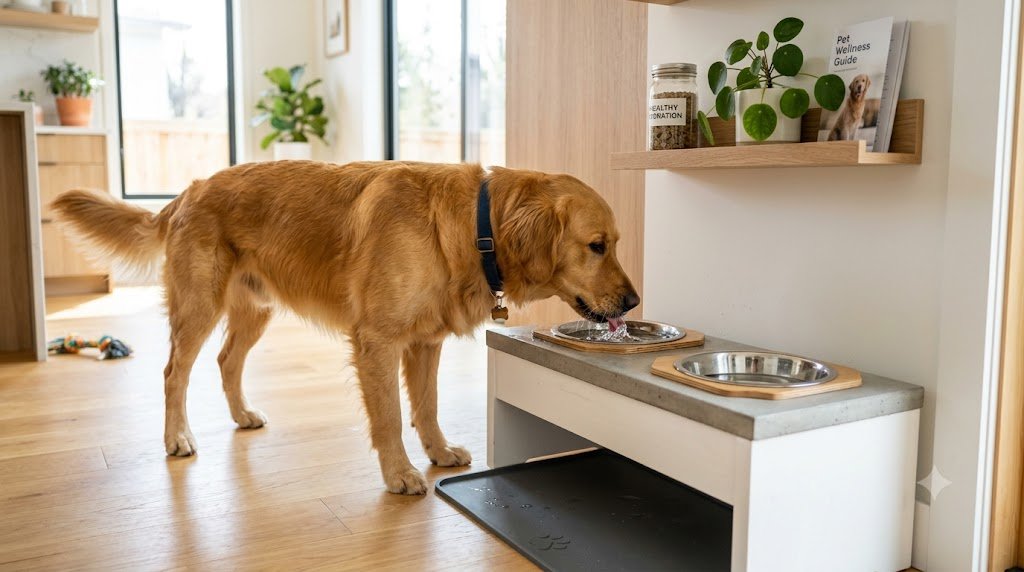
The type of water bowl you use can influence your dog’s drinking habits. While any clean bowl can hold water, some materials are more durable, hygienic, and easier to maintain than others. Choosing the right bowl helps keep water fresh and encourages your dog to drink regularly.
Stainless Steel Water Bowls
Stainless steel bowls are widely considered the best option for most dogs.
Pros
- Durable and long-lasting.
- Easy to clean and sanitize.
- Resistant to rust.
- Less likely to harbor bacteria.
- Dishwasher safe in most cases.
Best for: Puppies, adult dogs, senior dogs, and multi-dog households.
Ceramic Water Bowls
Ceramic bowls are heavier than plastic bowls, making them harder to tip over.
Pros
- Attractive designs.
- Stay cooler for longer.
- Stable and less likely to slide.
Things to Consider
- Replace chipped or cracked bowls immediately, as bacteria can collect in damaged areas.
Best for: Indoor dogs that prefer a heavier bowl.
Plastic Water Bowls
Plastic bowls are lightweight and inexpensive, but they require more frequent replacement.
Pros
- Affordable.
- Lightweight.
- Easy to carry while traveling.
Things to Consider
- Can develop scratches that trap bacteria.
- Some dogs may develop skin irritation from certain plastics.
- Need regular inspection for wear and damage.
Best for: Temporary use or travel.
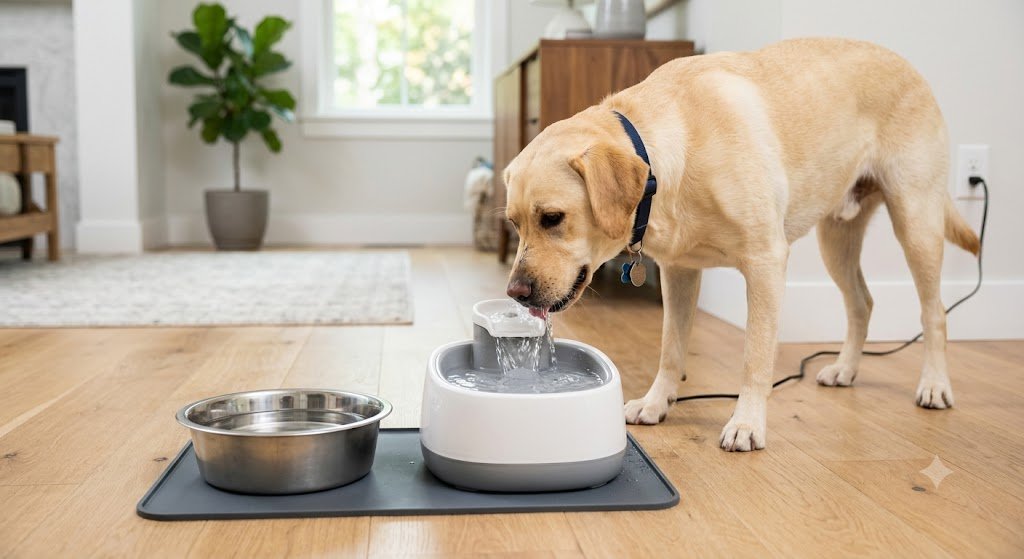
Automatic Water Fountains
Some dogs prefer drinking moving water. Pet water fountains continuously circulate water, which may encourage reluctant drinkers.
Benefits
- Keeps water circulating.
- Filters out debris in many models.
- Can encourage dogs to drink more.
- Useful in homes with multiple dogs.
Regular cleaning and filter replacement are essential to keep fountains hygienic.
Water Bowl Comparison
| Bowl Type | Durability | Easy to Clean | Best For |
|---|---|---|---|
| Stainless Steel | ⭐⭐⭐⭐⭐ | ⭐⭐⭐⭐⭐ | Most dogs |
| Ceramic | ⭐⭐⭐⭐☆ | ⭐⭐⭐⭐☆ | Indoor use |
| Plastic | ⭐⭐☆☆☆ | ⭐⭐⭐☆☆ | Travel or temporary use |
| Water Fountain | ⭐⭐⭐⭐☆ | ⭐⭐⭐⭐☆ | Dogs that prefer running water |
How Many Water Bowls Should You Have?
Having more than one water bowl can make it easier for your dog to stay hydrated.
Consider placing bowls:
- In the kitchen or living area.
- Near your dog’s sleeping space.
- In the backyard if your dog spends time outdoors.
- On different floors in larger homes.
Multiple bowls are especially helpful for senior dogs and multi-dog households.
Tips for Keeping Water Bowls Clean
To encourage healthy drinking habits:
- Wash bowls every day.
- Refill with fresh water at least once or twice daily.
- Remove dirt, food, and hair from the water.
- Replace damaged bowls promptly.
A clean bowl is just as important as clean water.
Summary
The right water bowl can make it easier for your dog to stay hydrated. Stainless steel bowls are generally the best choice because they’re durable, hygienic, and easy to clean, while ceramic bowls, plastic bowls, and water fountains each offer unique advantages depending on your dog’s needs.
Keypoints
- Stainless steel bowls are the most durable and hygienic option.
- Ceramic bowls are stable but should be replaced if chipped.
- Plastic bowls should be inspected regularly for scratches and wear.
- Water fountains may encourage some dogs to drink more.
- Keep water bowls clean and place them in easily accessible locations throughout your home.
Should You Buy a Dog Water Fountain?
Many dog owners wonder whether a water fountain is better than a traditional water bowl. While a standard bowl works well for most dogs, some pets naturally prefer drinking moving water. A dog water fountain can encourage these dogs to drink more while keeping water fresher throughout the day.
The right choice depends on your dog’s preferences, your household, and how much maintenance you’re willing to do.
Benefits of a Dog Water Fountain
Pet water fountains continuously circulate water, which can make it more appealing to some dogs.
Benefits include:
- Encourages some dogs to drink more.
- Keeps water moving and fresher for longer.
- Many models include filters that remove hair and debris.
- Useful for homes with multiple dogs.
- Can reduce stagnant water compared to a regular bowl.
Dogs that are picky about drinking may be more interested in flowing water than still water.
Potential Drawbacks
Although water fountains offer several advantages, they also require regular maintenance.
Things to consider:
- Filters need routine replacement.
- The fountain should be cleaned frequently to prevent bacteria buildup.
- Electric models require access to a power outlet.
- Quality fountains are generally more expensive than standard bowls.
Without proper cleaning, a fountain can become less hygienic than a regularly washed bowl.
Who Can Benefit Most?
A dog water fountain may be especially helpful if your dog:
- Doesn’t drink enough from a regular bowl.
- Prefers running water.
- Lives in a multi-dog household.
- Has an active lifestyle.
- Spends a lot of time indoors.
For dogs that already drink well from a clean bowl, switching to a fountain may not be necessary.
Water Fountain vs. Water Bowl
| Feature | Water Fountain | Traditional Bowl |
|---|---|---|
| Keeps water circulating | ✅ Yes | ❌ No |
| May encourage more drinking | ✅ Yes | ⭐ Depends on the dog |
| Requires electricity | ✅ Usually | ❌ No |
| Needs filter replacement | ✅ Yes | ❌ No |
| Easy to maintain | ⭐ Moderate | ✅ Very easy |
| Cost | Higher | Lower |
Tips for Using a Water Fountain
If you decide to use a pet fountain:
- Clean it according to the manufacturer’s instructions.
- Replace filters on schedule.
- Refill it with fresh water daily.
- Check that the pump is working properly.
- Keep an additional water bowl available, especially during power outages or while cleaning the fountain.
Is a Water Fountain Worth It?
For many dogs, a regular clean water bowl is perfectly sufficient. However, if your dog is reluctant to drink or seems more interested in running water, a quality pet fountain can be a worthwhile investment that encourages better hydration.
Summary
A dog water fountain isn’t essential for every pet, but it can help encourage drinking in dogs that prefer moving water. With proper cleaning and maintenance, it can be a convenient way to keep water fresh and support healthy hydration.
Keypoints
- Water fountains may encourage some dogs to drink more.
- Flowing water often stays fresher than still water.
- Regular cleaning and filter replacement are essential.
- A traditional water bowl is still an excellent choice for most dogs.
- Choose the option that best matches your dog’s drinking habits and your ability to maintain it.
Best Water-Rich Foods to Help Keep Your Dog Hydrated
Fresh drinking water should always be your dog’s primary source of hydration, but certain foods naturally contain a high percentage of water and can provide additional moisture throughout the day. These foods are especially helpful during hot weather, after exercise, or for dogs that don’t drink as much water as expected.
Always introduce new foods gradually and feed them in moderation as part of a balanced diet.
Wet Dog Food
Wet or canned dog food contains significantly more moisture than dry kibble, making it one of the easiest ways to increase your dog’s daily fluid intake.
Benefits
- Contains 70–80% moisture.
- Supports overall hydration.
- Easier for puppies and senior dogs to chew.
- Can help dogs recovering from illness or surgery.
If your dog eats only dry food, ask your veterinarian whether adding wet food to their diet is appropriate.
Watermelon (Seedless)
Watermelon is a refreshing summer treat that’s made up of more than 90% water.
Before serving:
- Remove all seeds.
- Remove the rind.
- Cut into small bite-sized pieces.
Feed only as an occasional treat.
Cucumber
Cucumber is one of the most hydrating vegetables you can safely offer your dog.
Benefits
- Very high water content.
- Low in calories.
- Crunchy and refreshing.
- Suitable as a healthy snack.
Serve plain without seasonings.
Celery
Celery contains both water and fiber, making it another good occasional snack.
Offer:
- Small bite-sized pieces.
- Plain and unseasoned.
- In moderation to avoid digestive upset.
Lettuce
Romaine and other plain lettuce varieties contain a large amount of water.
Lettuce can be:
- Chopped into small pieces.
- Mixed with food occasionally.
- Served plain without dressings or sauces.
Low-Sodium Bone Broth
Dog-safe, low-sodium bone broth can encourage picky drinkers while adding moisture to meals.
It can be used to:
- Soften dry kibble.
- Encourage hydration during recovery.
- Improve meal flavor.
Choose broth made specifically for dogs or homemade recipes that do not contain onions, garlic, or excessive salt.
Hydrating Foods Comparison
| Food | Water Content | Best Used For |
|---|---|---|
| Wet dog food | Very High | Daily meals |
| Watermelon | Very High | Summer treat |
| Cucumber | Very High | Low-calorie snack |
| Celery | High | Occasional treat |
| Lettuce | High | Light snack |
| Low-sodium bone broth | Moderate | Meal topper or hydration support |
Foods That Should Never Be Used for Hydration
Some foods contain water but are unsafe for dogs.
Avoid:
- Grapes
- Raisins
- Onions
- Garlic
- Avocado
- Sugary drinks
- Sports drinks
- Flavored beverages
These foods or drinks can be harmful or toxic and should never replace fresh drinking water.
Can Water-Rich Foods Replace Drinking Water?
No. While these foods provide extra moisture, they cannot replace clean drinking water. Every dog should have unlimited access to fresh water throughout the day, regardless of their diet.
Think of hydrating foods as a supplement—not a substitute—for proper hydration.
Summary
Water-rich foods can help increase your dog’s daily moisture intake while providing healthy variety in their diet. Combined with constant access to fresh drinking water, they can support healthy hydration and overall well-being.
Keypoints
- Fresh water should always be your dog’s main source of hydration.
- Wet food naturally increases daily moisture intake.
- Watermelon, cucumber, celery, and lettuce are safe hydrating treats when fed in moderation.
- Dog-safe low-sodium bone broth can encourage some dogs to drink more.
- Never feed grapes, raisins, onions, garlic, or sugary drinks to improve hydration.
Hydration Tips for Summer and Winter
Your dog’s hydration needs change throughout the year. Hot weather increases water loss through panting, while cold weather can also contribute to dehydration because of dry indoor air and increased activity. Making small seasonal adjustments helps keep your dog comfortable and well hydrated.
Summer Hydration Tips
During warm weather:
- Refill water bowls more frequently.
- Keep water bowls in shaded areas outdoors.
- Offer water before and after walks or playtime.
- Walk your dog during cooler morning or evening hours.
- Never leave your dog in a parked vehicle.
Extra attention during hot days helps reduce the risk of dehydration and heat-related illnesses.
Winter Hydration Tips
Hydration is just as important during colder months.
To keep your dog hydrated:
- Continue providing fresh water throughout the day.
- Check outdoor water bowls to ensure they haven’t frozen.
- Encourage regular drinking after walks and exercise.
- Keep indoor water easily accessible, especially if heating makes the air dry.
Many owners focus on summer hydration but overlook their dog’s water needs during winter.
Summary
Seasonal changes can affect how much water your dog drinks. By making simple adjustments in both summer and winter, you can help maintain healthy hydration all year long.
Keypoints
- Refresh water more often during hot weather.
- Provide shade and avoid exercising during peak heat.
- Prevent outdoor water bowls from freezing in winter.
- Encourage regular drinking regardless of the season.
- Adjust your hydration routine as the weather changes.
Travel and Outdoor Hydration Tips
Whether you’re taking your dog on a road trip, hiking, camping, or visiting the dog park, planning for hydration is just as important as bringing food or a leash. Easy access to clean water helps keep your dog comfortable and reduces the risk of dehydration during outdoor activities.
Bring Fresh Water
Always carry enough drinking water for both you and your dog. Don’t rely on finding clean water at your destination.
Use a Portable Water Bowl
A collapsible bowl or portable dog water bottle makes it easy to offer water during walks, road trips, and outdoor adventures.
Offer Water Regularly
Instead of waiting until your dog seems thirsty, offer small drinks:
- Before leaving home.
- During breaks.
- After exercise or play.
- Before heading back home.
Avoid Unsafe Water Sources
Do not allow your dog to drink from:
- Puddles.
- Stagnant ponds.
- Dirty streams.
- Unknown water sources.
These may contain harmful bacteria, parasites, or chemicals.
Take Breaks in the Shade
During warm weather, let your dog rest in shaded areas while offering fresh water. Short breaks help prevent overheating and encourage drinking.
Summary
Planning ahead makes it easy to keep your dog hydrated while traveling or enjoying outdoor activities. Bringing clean water, using a portable bowl, and avoiding unsafe water sources are simple habits that support your dog’s health wherever you go.
Keypoints
- Carry fresh drinking water on every trip.
- Use a portable bowl or dog water bottle.
- Offer water during regular breaks.
- Avoid puddles and stagnant water.
- Rest in shaded areas during hot weather.
Hydration Tips for Multi-Dog Households
Keeping multiple dogs hydrated can be more challenging than caring for a single pet. Some dogs may drink more than others, while timid dogs may avoid shared water bowls. A few simple adjustments can help ensure every dog has easy access to fresh water.
Provide Multiple Water Bowls
Place several water bowls around your home instead of relying on a single bowl. This reduces crowding and makes it easier for every dog to drink whenever they need to.
Prevent Resource Guarding
Some dogs may become protective of food and water. If you notice one dog blocking access to a bowl, place additional bowls in separate locations to reduce competition.
Monitor Each Dog’s Drinking Habits
Pay attention to each dog’s normal water intake. A sudden increase or decrease in drinking may be difficult to notice in a shared bowl, so occasional observation can help identify changes early.
Keep Every Bowl Clean
With multiple dogs drinking from the same bowls, water can become dirty more quickly. Refresh the water and wash each bowl daily to maintain good hygiene.
Summary
In multi-dog homes, providing multiple clean water bowls and monitoring each dog’s drinking habits helps ensure every pet stays properly hydrated without unnecessary competition.
Keypoints
- Place multiple water bowls throughout your home.
- Reduce competition by separating bowls if needed.
- Observe each dog’s drinking habits individually.
- Clean and refill water bowls every day.
- Make fresh water easily accessible for every dog.
Common Hydration Mistakes to Avoid
Even with the best intentions, small mistakes can affect your dog’s hydration. Avoiding these common habits can help your dog stay healthy and encourage consistent water intake.
Not Refreshing Water Often Enough
Water can collect dust, hair, and debris throughout the day. Replace it regularly so your dog always has clean, fresh water.
Using Dirty Water Bowls
A dirty bowl may discourage your dog from drinking and can allow bacteria to build up. Wash water bowls daily and rinse them thoroughly before refilling.
Forgetting Water During Outdoor Activities
Whether you’re going for a walk, road trip, or hike, always bring fresh water for your dog instead of relying on public or natural water sources.
Ignoring Changes in Drinking Habits
If your dog suddenly drinks much more or much less than usual, don’t assume it’s temporary. Monitor the change and seek veterinary advice if it continues.
Relying Only on One Water Bowl
In larger homes or multi-dog households, one bowl may not be enough. Placing additional bowls around your home makes water easier to access.
Summary
Most hydration problems can be prevented with simple daily habits. Clean water, clean bowls, and paying attention to your dog’s drinking routine go a long way in supporting their health.
Keypoints
- Refresh your dog’s water regularly.
- Wash water bowls every day.
- Carry water during travel and outdoor activities.
- Monitor changes in drinking habits.
- Use multiple water bowls when needed.
Conclusion
Keeping your dog hydrated doesn’t have to be complicated. Providing fresh, clean water, choosing the right water bowl, adjusting for seasonal changes, and planning ahead for travel or outdoor activities are simple habits that can make a big difference in your dog’s overall health.
Every dog is unique, so pay attention to their daily drinking habits and make small adjustments based on their lifestyle, activity level, and environment. A consistent hydration routine helps support healthy digestion, temperature regulation, energy levels, and overall well-being.
With the practical tips in this guide, you can confidently help your dog stay hydrated throughout the year and reduce the risk of preventable hydration-related problems.
Summary
Proper hydration is an essential part of responsible dog care. By offering fresh water, using clean bowls, preparing for seasonal changes, and following simple daily habits, you can help keep your dog healthy, comfortable, and well hydrated every day.
Keypoints
- Provide fresh, clean water at all times.
- Choose a hygienic and suitable water bowl.
- Adjust hydration habits for different seasons and activities.
- Plan ahead when traveling or spending time outdoors.
- Monitor your dog’s drinking routine and make hydration part of daily care.
Frequently Asked Questions (FAQs)
How can I encourage my dog to drink more water?
Provide fresh, clean water, wash the bowl daily, place multiple bowls around your home, and consider using a pet water fountain if your dog prefers running water.
How often should I change my dog’s water?
Replace your dog’s drinking water at least once or twice a day, or more often if it becomes dirty or contaminated.
What is the best water bowl for dogs?
Stainless steel bowls are generally the best choice because they’re durable, easy to clean, and resistant to bacteria. Ceramic bowls are also a good option if they’re not chipped or cracked.
Are dog water fountains worth buying?
For many dogs, yes. Water fountains keep water circulating and may encourage dogs that prefer moving water to drink more. Regular cleaning and filter replacement are essential.
Can wet food help keep my dog hydrated?
Yes. Wet dog food contains a high amount of moisture and can contribute to your dog’s daily hydration, but it should never replace access to fresh drinking water.
How do I keep my dog hydrated during summer?
Provide plenty of fresh water, avoid walking during the hottest part of the day, offer shade, and bring water on outdoor trips.
Should I bring water when traveling with my dog?
Absolutely. Carry fresh drinking water and a portable bowl whenever you’re traveling, hiking, or spending extended time outdoors.
Can dogs drink from lakes or puddles?
It’s best to avoid it. Natural water sources may contain bacteria, parasites, or harmful chemicals that could make your dog sick.
How many water bowls should I have for multiple dogs?
It’s recommended to have more than one water bowl, especially in multi-dog households, to reduce competition and ensure every dog has easy access to fresh water.
What are the easiest ways to keep my dog hydrated every day?
Keep water fresh, clean bowls regularly, use multiple bowls if needed, offer water after exercise, and adjust your routine during hot weather or travel.