C-Section vs Natural Birth in Dogs: What’s the Difference?
C-section vs natural birth depends on the mother’s health, the puppies’ condition, their size and position, and how labor progresses. Most healthy dogs can give birth naturally, but a C-section may be necessary when labor cannot safely continue or the mother or puppies are at risk.
What Is Natural Birth in Dogs?
Dog natural birth means puppies are delivered through the birth canal without surgical intervention. During normal labor, the uterus contracts and the mother progressively delivers each puppy.
Most dogs do not need assistance when labor progresses normally, but they should still be monitored closely, particularly during the active delivery stage.
What Is a Dog C-Section?
A dog C-section, also called a canine cesarean section, is a surgical procedure in which a veterinarian delivers the puppies through an incision in the mother’s abdomen and uterus.
It may be planned before labor when a difficult delivery is considered likely, or performed as an emergency when natural labor becomes unsafe or unsuccessful.
Which Dogs Are More Likely to Need a C-Section?
The risk of dystocia, or difficult birth, varies between individual dogs. Certain situations can increase the likelihood of a canine C-section, including a history of difficult delivery, very large puppies, abnormal fetal positioning, or problems affecting the mother’s reproductive tract.
A veterinarian may recommend planned surgery when the expected risks of natural delivery are high.
Summary
Natural birth is the normal delivery method for many dogs, while a C-section provides a surgical alternative when natural delivery is unsafe or unsuccessful. The appropriate method depends on the individual pregnancy and labor.
Key Points
- Many dogs can deliver puppies naturally without surgery.
- A C-section may be planned or performed as an emergency.
- Puppy size, position, maternal health, and labor progression can affect delivery decisions.
- Veterinary assessment is important when there is a risk of difficult birth.
When Do Dogs Need a C-Section?
Dogs may need a C-section when puppies cannot be safely delivered through the birth canal or when the mother or puppies are showing signs of distress. Some C-sections are planned in advance, while others become necessary during labor.
Difficult or Prolonged Labor
A veterinarian may recommend a canine C-section when labor is not progressing normally. Concerning situations include strong contractions without delivery of a puppy, an unusually long interval between puppies when more remain, or exhaustion of the mother.
Puppy Size, Position, or Birth Canal Problems
A C-section may be needed when a puppy is too large to pass safely through the birth canal or is positioned abnormally. Problems with the mother’s pelvic anatomy can also make natural delivery difficult.
These situations can cause dystocia, meaning difficult or obstructed labor.
Maternal or Fetal Distress
A veterinarian may recommend emergency surgery when the mother becomes severely exhausted or unwell, or when there are concerns about the puppies’ survival.
Signs such as abnormal fetal heart rates, significant maternal distress, or failure of labor to progress can require urgent intervention.
Breeds and Previous Difficult Births
Some dogs have a higher risk of dystocia because of their anatomy or reproductive history. Dogs that have previously experienced difficult labor may also require closer monitoring in future pregnancies.
For higher-risk pregnancies, a veterinarian may plan a C-section rather than waiting for an emergency to develop.
Summary
A dog may need a C-section when natural delivery becomes unsafe, labor fails to progress, or the mother or puppies are at risk. The decision should be made by a veterinarian based on the individual pregnancy and labor.
Key Points
- Difficult or stalled labor can require a C-section.
- Oversized or abnormally positioned puppies may prevent natural delivery.
- Maternal or fetal distress can make emergency surgery necessary.
- Previous difficult births may increase the need for careful planning.
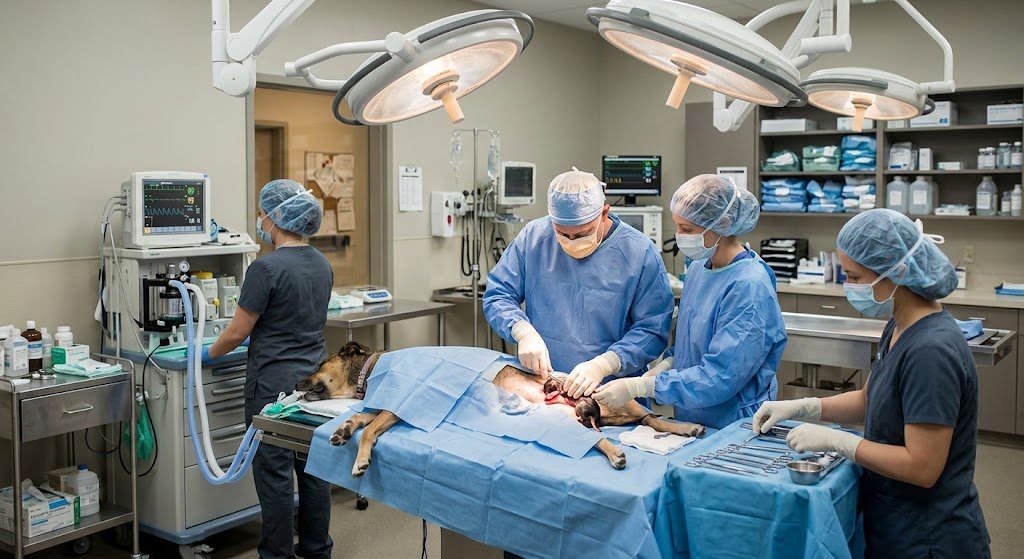
Dog Natural Birth: What to Expect
Dog natural birth usually progresses through predictable stages as the uterus contracts, the cervix opens, and the puppies are delivered. Most uncomplicated births do not require surgical intervention, but close observation is important so problems can be recognized quickly.
Signs Labor Is Starting
As labor approaches, a pregnant dog may become restless, seek a quiet place, pant, stop eating, or begin nesting. Her body temperature may also temporarily decrease shortly before active labor begins.
These signs can vary between dogs, so they should be considered alongside the expected due period and veterinary guidance.
The Stages of Canine Labor
Canine labor generally occurs in three stages:
- Stage 1: The cervix relaxes and early uterine contractions begin. Restlessness and panting are common.
- Stage 2: Strong contractions result in the delivery of the puppies.
- Stage 3: The placentas are passed, often around the time individual puppies are born.
The length of labor varies, particularly depending on litter size and the individual dog.
When Normal Labor Becomes Concerning
Contact a veterinarian if labor appears to stop progressing or the mother shows significant distress. Examples include strong contractions without producing a puppy, prolonged straining, collapse, or signs that a puppy may be stuck.
When these problems occur, waiting too long can put both the mother and puppies at risk. A veterinarian may determine that an emergency dog C-section is safer than continuing with natural delivery.
Summary
Natural birth can proceed normally when the mother is healthy and labor progresses appropriately. Monitoring is important because complications can develop quickly and may require veterinary intervention.
Key Points
- Restlessness, panting, and nesting can occur before delivery.
- Canine labor progresses through three stages.
- Strong contractions without puppy delivery can be an emergency.
- Difficult labor may require veterinary intervention or a C-section.
Dog C-Section: What Happens?
A dog C-section is performed when puppies need to be delivered surgically rather than through normal labor. It may be planned before labor or performed urgently when complications develop.
Before Surgery
The veterinarian will assess the mother and puppies and determine whether surgery is necessary. This may involve a physical examination, ultrasound, X-rays, and monitoring of the puppies when appropriate.
Before anesthesia, the veterinary team prepares the mother for surgery and develops a plan for safely delivering and stabilizing the puppies.
During the Canine C-Section
Under anesthesia, the veterinarian makes an abdominal incision and carefully opens the uterus to remove the puppies. Each puppy is handed to veterinary staff for immediate clearing of the airways, warming, and assessment.
The veterinarian then closes the uterus and abdominal incision while the mother is monitored as she recovers from anesthesia.
Monitoring the Mother and Puppies After Delivery
After surgery, both mother and puppies need close monitoring. Puppies must be kept warm and checked for normal breathing and nursing ability.
The mother is monitored for pain, bleeding, infection, and other postoperative complications. Once she is sufficiently recovered, supervised contact with the puppies can begin.
Summary
A C-section allows veterinarians to deliver puppies when natural birth is unsafe or unsuccessful. The procedure involves surgery under anesthesia followed by careful monitoring of both the mother and newborn puppies.
Key Points
- C-sections can be planned or performed as emergencies.
- Puppies are immediately assessed and stabilized after delivery.
- The mother requires postoperative monitoring and pain management.
- Veterinary supervision remains important during early recovery.
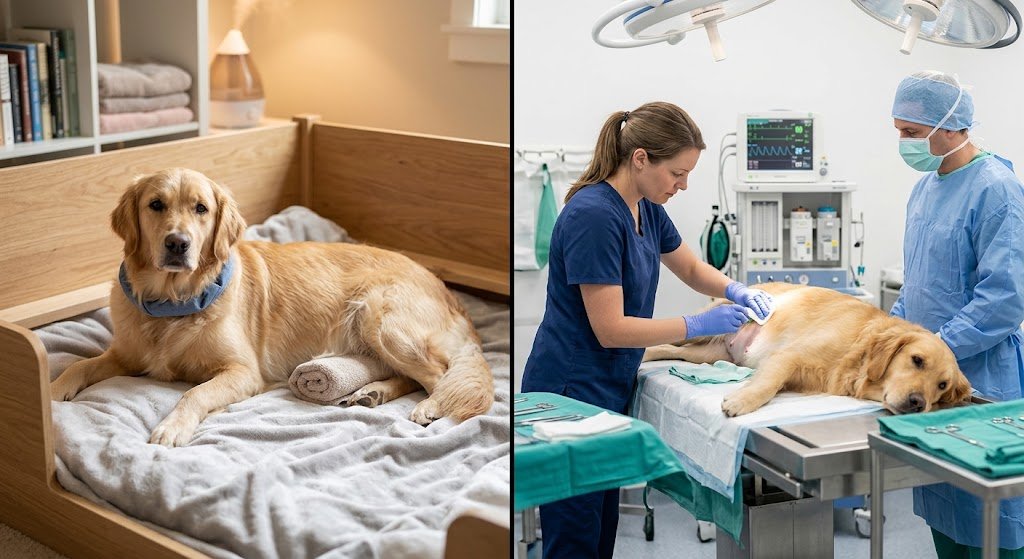
C-Section vs Natural Birth: Recovery and Risks
The main difference in recovery is that natural delivery does not involve abdominal surgery, while a C-section requires recovery from anesthesia and an abdominal incision. Both methods can have complications, so the mother’s condition should be monitored after birth.
Recovery After Natural Birth
After an uncomplicated dog natural birth, the mother can usually begin resting, nursing, and caring for her puppies soon after delivery.
She should have access to fresh water, appropriate nutrition, a clean environment, and regular monitoring for abnormal discharge, weakness, fever, or problems nursing.
Recovery After C-Section
Recovery after a dog C-section requires additional care because the mother has a surgical incision. She needs a quiet, clean area and should be monitored for pain, bleeding, swelling, or discharge from the incision.
Activity is generally restricted during the initial healing period according to the veterinarian’s instructions. The puppies also need supervision while nursing, particularly while the mother is recovering from anesthesia.
Potential Risks of Each Delivery Method
Natural birth can become dangerous when labor is obstructed or fails to progress. Possible complications include dystocia, maternal exhaustion, fetal distress, or a retained puppy.
A C-section avoids difficult vaginal delivery but carries surgical and anesthesia-related risks, including bleeding, infection, and postoperative complications.
Summary
Natural birth generally involves a simpler physical recovery, while C-section recovery requires additional surgical care. Neither method is automatically appropriate for every dog; the safest option depends on the mother, puppies, and circumstances of delivery.
Key Points
- Natural birth usually has a shorter physical recovery.
- C-section requires recovery from surgery and anesthesia.
- Both delivery methods can have complications.
- Veterinary assessment should guide the choice when problems develop.
How Veterinarians Decide Between C-Section and Natural Birth
The decision between C-section vs natural birth is based on the health of the mother, the puppies, pregnancy history, and how labor is progressing. Veterinarians may monitor a dog closely when natural delivery appears safe or recommend surgery when complications make vaginal delivery risky.
Pregnancy and Labor Assessment
Before and during labor, the veterinarian may assess the mother’s overall condition, pregnancy history, abdominal findings, and progress of labor.
A history of difficult delivery, suspected oversized puppies, or other risk factors may increase concern about dystocia and influence the delivery plan.
Ultrasound and Fetal Monitoring
Ultrasound can help assess the puppies and their viability, while X-rays can provide information about litter size and puppy size and position late in pregnancy.
During difficult labor, fetal assessment can help the veterinarian determine whether the puppies are becoming distressed and whether intervention is needed.
Why Timing Can Matter
When a C-section is clearly indicated, delaying intervention can increase risks to the mother and puppies. On the other hand, unnecessary surgery also carries anesthesia and surgical risks.
For this reason, veterinarians consider the entire clinical picture rather than relying on one symptom or a fixed timetable.
Summary
Veterinarians choose between dog natural birth and a C-section by assessing the mother, puppies, pregnancy history, and labor progress. Monitoring helps determine when natural delivery remains appropriate and when surgical intervention is safer.
Key Points
- Delivery decisions depend on the individual pregnancy.
- Ultrasound and X-rays can provide important information.
- Fetal and maternal condition may change during labor.
- When a C-section is necessary, timely veterinary intervention matters.
When to Contact a Veterinarian During Dog Labor
Knowing when labor has moved beyond normal dog natural birth is important. Some delays can be normal, but prolonged straining, maternal distress, or failure to deliver puppies can indicate dystocia and may require an emergency dog C-section.
Warning Signs During Labor
Contact a veterinarian if your dog:
- Has strong contractions but does not deliver a puppy
- Has prolonged or difficult straining
- Becomes extremely weak or exhausted
- Has abnormal vaginal discharge, particularly before the first puppy
- Develops severe pain, collapse, or other signs of illness
Emergency Signs Before or Between Puppies
A visible puppy that cannot be delivered is an emergency. Likewise, significant distress in the mother or evidence that a puppy is not doing well may require immediate veterinary intervention.
Do not attempt forceful pulling or give medications to stimulate contractions unless specifically directed by a veterinarian.
Summary
Some variation in labor is normal, but strong contractions without puppy delivery, severe maternal distress, or an obstructed puppy can require urgent veterinary care.
Key Points
- Monitor labor rather than relying only on the expected delivery time.
- Strong contractions without a puppy can indicate dystocia.
- A stuck puppy requires urgent veterinary attention.
- Never use labor-stimulating medication without veterinary direction.
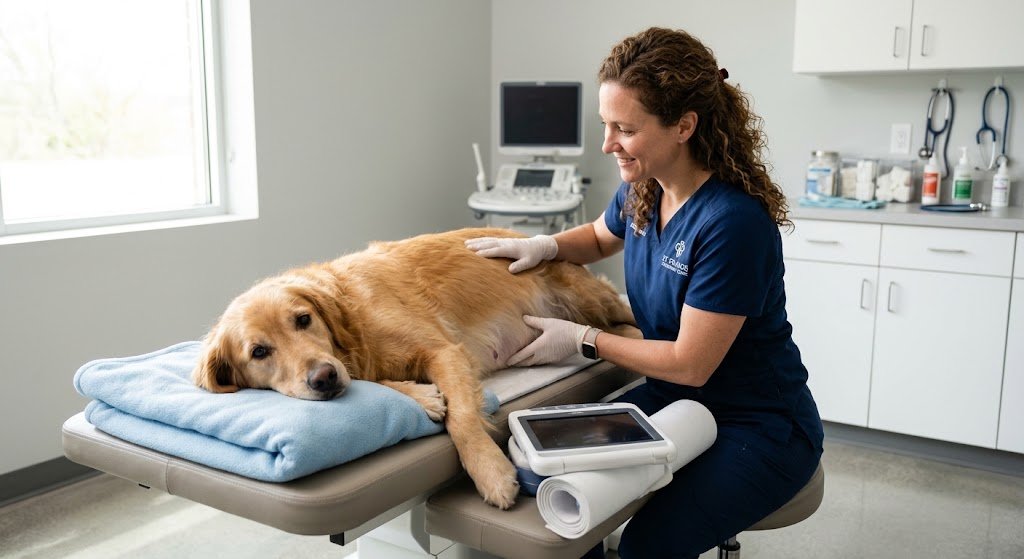
Key Points About C-Section vs Natural Birth
Key Takeaways
- Dog natural birth is possible for many healthy pregnancies when labor progresses normally.
- A dog C-section may be necessary when labor is obstructed, prolonged, or dangerous for the mother or puppies.
- Large or abnormally positioned puppies can increase the risk of difficult delivery.
- Previous difficult births may increase the need for veterinary planning.
- Strong contractions without a puppy, severe weakness, or a stuck puppy require urgent veterinary attention.
- Veterinarians may use examinations, ultrasound, and X-rays to guide delivery decisions.
- C-section recovery involves additional surgical and anesthesia-related care.
Summary
There is no single delivery method that is right for every dog. The choice between C-section vs natural birth depends on the mother, puppies, and progression of labor. Veterinary monitoring is essential when complications are suspected.
Conclusion
The choice between C-section vs natural birth depends on the mother, puppies, and progress of labor. Many dogs deliver naturally without complications, but a C-section may be necessary when labor is obstructed, prolonged, or dangerous for the mother or puppies.
If your dog shows signs of difficult labor, contact a veterinarian promptly. Early assessment can help determine whether continued natural delivery or a dog C-section is appropriate.
Frequently Asked Questions About C-Section vs Natural Birth
Is natural birth safer than a C-section for dogs?
An uncomplicated natural birth avoids surgery and anesthesia, but it is not always the safest option. If a dog develops difficult labor or the puppies cannot be delivered safely, a C-section may be necessary.
When do dogs need C-section?
Dogs may need a C-section when labor is obstructed or fails to progress, a puppy is too large or incorrectly positioned, or the mother or puppies show signs of distress.
How long does a dog C-section take?
The actual surgical delivery is usually relatively quick, but the total time at the veterinary hospital is longer because the mother must be prepared for anesthesia and the puppies must be stabilized and monitored afterward.
How long does a dog take to recover from a C-section?
Recovery varies between dogs. The abdominal incision requires healing and activity may need to be restricted according to the veterinarian’s instructions. Close monitoring is particularly important during the first days after surgery.
Can a dog have a natural birth after a C-section?
Some dogs can have a subsequent natural birth, but the decision depends on the reason for the previous C-section, the dog’s health, and the circumstances of the new pregnancy. A veterinarian should assess the pregnancy and delivery plan.
What should I do if my dog is having trouble giving birth?
Contact a veterinarian immediately if your dog has strong contractions without producing a puppy, appears severely distressed or exhausted, or a puppy becomes stuck. Do not forcefully pull a puppy or give labor-inducing medication without veterinary direction.