What Is Eclampsia in Dogs?
Eclampsia in dogs is a life-threatening condition caused by dangerously low calcium levels in the blood, often affecting mother dogs while they are nursing puppies. Also called milk fever in dogs, it can cause restlessness, panting, muscle tremors, stiffness, and seizures. Without prompt veterinary treatment, the condition can become fatal.
Why Does Eclampsia Happen?
During lactation, a mother dog needs extra calcium to produce milk for her puppies. If her body cannot maintain enough calcium in the bloodstream, she may develop eclampsia. Small-breed dogs and mothers nursing large litters are at increased risk.
Although it most commonly occurs during the first few weeks after birth, eclampsia can develop at other stages of lactation. Recognizing the warning signs early is essential because symptoms can worsen quickly.
Key Points
- Eclampsia in dogs is a veterinary emergency.
- It is commonly associated with low blood calcium during nursing.
- Early signs may include restlessness, panting, and stiff movements.
- Severe cases can cause muscle spasms, seizures, and collapse.
- If you suspect eclampsia, contact an emergency veterinarian immediately. Do not attempt to treat it with calcium supplements or home remedies without veterinary direction.
What Causes Eclampsia in Nursing Dogs?
Eclampsia in nursing dogs develops when calcium levels in the blood fall too low to support normal muscle and nerve function. This often happens when milk production places greater calcium demands on the mother’s body than it can meet.
Calcium Loss During Milk Production
Producing milk requires significant calcium, especially when puppies are growing quickly and nursing frequently. If the mother’s body cannot maintain adequate blood calcium, symptoms of eclampsia may develop. This condition is not simply caused by a lack of calcium in one meal; it involves how the body regulates and supplies calcium.
Risk Factors for Milk Fever in Dogs
Some dogs have a higher risk of developing milk fever, including:
- Small-breed dogs: Smaller dogs may have fewer calcium reserves relative to the demands of a nursing litter.
- Large litters: More puppies can mean greater milk production and increased calcium demand.
- Peak lactation: Risk is often higher when puppies are nursing heavily, commonly during the first few weeks after birth.
- Unbalanced feeding: An unsuitable diet during pregnancy or nursing may affect nutritional balance.
- Unsupervised calcium supplements: Giving extra calcium during pregnancy without veterinary guidance can interfere with the body’s normal calcium regulation.
When Does Eclampsia Usually Occur?
Eclampsia most often develops around two to three weeks after a dog gives birth, when milk production is high. However, it can occur earlier or later, so owners should not rely on timing alone to rule it out.
Key Points
- Heavy milk production increases a mother’s calcium requirements.
- Small dogs and mothers nursing large litters may face greater risk.
- Excessive or unnecessary calcium supplementation during pregnancy can increase risk.
- A balanced diet and veterinary guidance are safer than self-prescribing supplements.
- If a nursing dog develops panting, stiffness, tremors, or unusual behavior, seek urgent veterinary care.
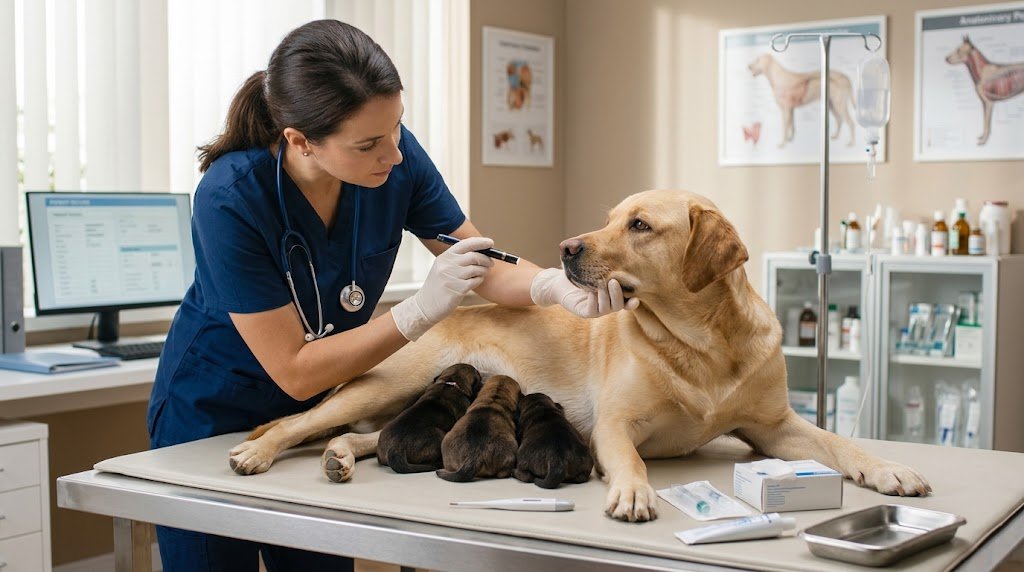
Dog Eclampsia Symptoms: Early and Severe Warning Signs
Dog eclampsia symptoms can begin with subtle behavior changes and quickly progress to muscle spasms or seizures. Recognizing these signs early is essential because eclampsia can become life-threatening without prompt veterinary treatment.
Early Symptoms of Eclampsia
Early warning signs may include:
- Restlessness, pacing, or unusual agitation
- Excessive panting, even when the room is cool
- Stiff walking or difficulty moving normally
- Whining, nervousness, or unusual sensitivity
- Muscle twitching or trembling
- Reduced interest in puppies or difficulty settling down
These symptoms may have other causes, but they should never be ignored in a nursing dog.
Severe Symptoms of Milk Fever in Dogs
As blood calcium falls further, a dog may develop:
- Strong muscle tremors or spasms
- Difficulty standing or walking
- Disorientation or unusual behavior
- High body temperature
- Seizures or collapse
Severe symptoms require emergency veterinary care. Do not wait for every symptom to appear before seeking help.
Early Signs vs. Severe Signs
| Early warning signs | Severe warning signs |
|---|---|
| Restlessness and pacing | Intense muscle spasms |
| Excessive panting | Inability to stand |
| Stiff movements | Seizures or collapse |
| Mild muscle twitching | Markedly elevated body temperature |
When Should You Contact a Veterinarian?
Contact an emergency veterinarian immediately if your nursing dog shows signs that could indicate eclampsia, particularly panting combined with stiffness, tremors, or unusual agitation. Tell the veterinary team that she recently gave birth and is nursing puppies.
Key Points
- Eclampsia symptoms can worsen rapidly.
- Panting, restlessness, stiffness, and tremors are important warning signs.
- Seizures, collapse, or severe muscle spasms are emergencies.
- Only a veterinarian can confirm the diagnosis and determine appropriate treatment.

What to Do If You Suspect Eclampsia in Your Dog
If you suspect eclampsia in dogs, contact an emergency veterinarian immediately. This condition can progress quickly, and delaying treatment may put the mother dog’s life at risk.
Immediate Steps for Dog Owners
- Call an emergency veterinarian. Describe your dog’s symptoms, when she gave birth, and whether she is nursing.
- Keep her safe and calm. Move her away from stairs, sharp objects, and other hazards, especially if she is trembling or disoriented.
- Prevent further nursing while seeking veterinary guidance. Follow the veterinarian’s instructions about separating the puppies and feeding them safely.
- Transport her carefully. If she is weak or having muscle spasms, minimize unnecessary movement and ask the clinic for transport advice.
What Not to Do
- Do not wait for symptoms to disappear on their own.
- Do not give calcium tablets, supplements, or human medication unless a veterinarian specifically directs you to do so.
- Do not force food, water, or medicine into a dog that is confused, unconscious, or having seizures.
- Do not attempt intravenous calcium treatment at home.
Why Immediate Treatment Matters
Eclampsia can interfere with normal muscle and nerve function and may cause dangerously high body temperature, seizures, and collapse. Veterinary treatment can correct the calcium imbalance while monitoring for complications.
Key Points
- Suspected eclampsia requires urgent veterinary attention.
- Keep the dog safe and contact a clinic before attempting treatment.
- Ask the veterinarian how to manage puppy nursing and feeding.
- Never delay emergency care to try home remedies.
How Veterinarians Diagnose Eclampsia in Dogs
Veterinarians diagnose eclampsia in dogs by assessing the mother’s symptoms, recent birthing history, physical condition, and blood calcium levels. Because the condition can worsen rapidly, treatment may begin before all test results are available if eclampsia is strongly suspected.
Physical Examination and Medical History
Your veterinarian will ask when your dog gave birth, how many puppies she is nursing, and when her symptoms started. They will also assess her breathing, muscle movements, body temperature, and overall condition.
Blood Calcium Testing
A blood test helps determine whether calcium levels are dangerously low. The veterinarian may also recommend additional blood tests to evaluate other possible problems and guide treatment.
Why Prompt Diagnosis Matters
Restlessness, panting, tremors, and seizures can occur with other medical conditions, so symptoms alone cannot confirm eclampsia. Veterinary testing helps identify the cause and determine the safest treatment.
Key Points
- Eclampsia is commonly confirmed through blood calcium testing alongside clinical signs.
- Tell the veterinarian that your dog recently gave birth or is nursing.
- Severe symptoms require immediate care; do not delay treatment while waiting for test results.
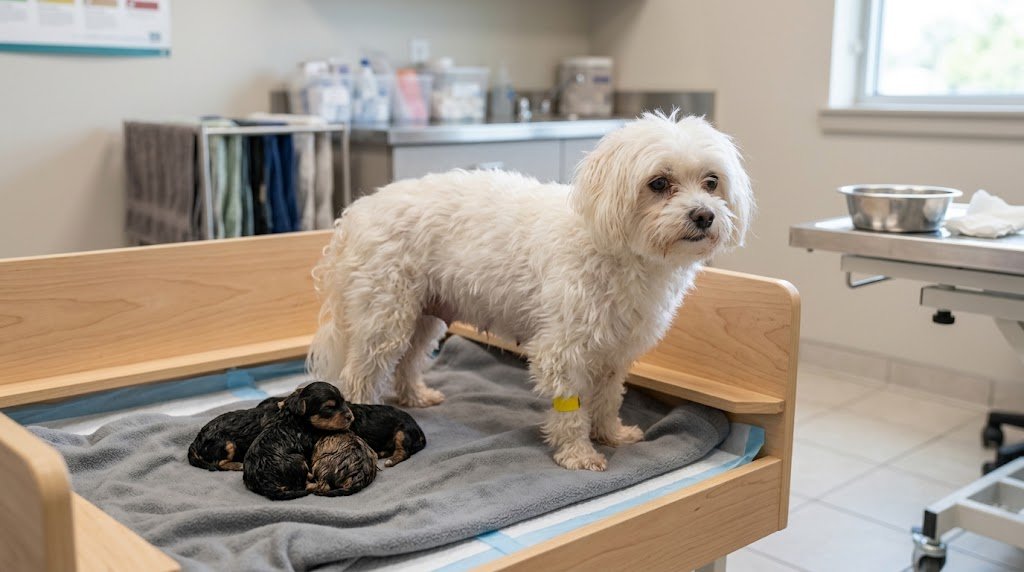
Dog Milk Fever Treatment
Dog milk fever treatment focuses on restoring safe blood calcium levels and stabilizing the mother. Because eclampsia can cause seizures, overheating, and life-threatening complications, treatment must be provided by a veterinarian.
Emergency Veterinary Treatment
Veterinarians commonly treat severe eclampsia with carefully administered intravenous calcium, often calcium gluconate. The dose and speed of administration must be controlled, with close monitoring of the dog’s heart rate and rhythm because calcium can cause dangerous cardiac complications if given incorrectly.
Additional Treatment and Monitoring
Depending on the dog’s condition, treatment may also include:
- Managing an elevated body temperature.
- Controlling seizures or severe muscle spasms.
- Rechecking blood calcium levels.
- Providing supportive care and monitoring recovery.
Treatment is tailored to the individual dog. Never attempt to administer intravenous calcium or calculate a treatment dose at home.
Nursing and Puppy Feeding After Treatment
The veterinarian may recommend temporarily stopping nursing to reduce the mother’s calcium demands. Puppies may need an appropriate commercial puppy milk replacer or another feeding plan based on their age and health. Ask your veterinarian how to maintain their nutrition while the mother recovers.
Can Eclampsia Return?
Yes. Eclampsia can recur during the same nursing period and may happen again with future litters. A veterinarian can advise on nursing management, diet, monitoring, and prevention based on the mother’s history.
Key Points
- Veterinary treatment is essential for suspected milk fever.
- Intravenous calcium requires professional administration and heart monitoring.
- Nursing may need to pause under veterinary guidance.
- Do not give calcium supplements or medication without veterinary advice.
- Seek emergency care if symptoms return or worsen.
How to Prevent Eclampsia in Nursing Dogs
Preventing eclampsia in dogs involves appropriate nutrition, veterinary guidance, and close monitoring during pregnancy and nursing. Although not every case can be prevented, sensible care can help reduce risk and support the mother’s recovery after birth.
Feed a Complete, Balanced Diet
Feed your dog a complete, balanced diet suitable for pregnancy and lactation, following your veterinarian’s recommendations. Nursing mothers have increased nutritional needs, so avoid unbalanced homemade diets unless they have been professionally formulated.
Avoid Unsupervised Calcium Supplements
Giving extra calcium during pregnancy without veterinary guidance can interfere with the body’s normal calcium regulation and may increase the risk of eclampsia after birth. Do not start calcium supplements during pregnancy or nursing unless your veterinarian recommends them for your dog’s specific needs.
Monitor Your Dog During Lactation
Pay close attention to changes in your dog’s behavior, movement, and breathing, particularly during the first few weeks after delivery. Contact a veterinarian immediately if you notice unusual panting, restlessness, stiff walking, muscle twitching, or tremors.
Discuss High-Risk Litters With Your Veterinarian
Small-breed mothers, dogs nursing large litters, and dogs with a history of eclampsia may need an individualized care plan. Ask your veterinarian about appropriate feeding, puppy nursing, and monitoring throughout lactation.
Key Points
- Provide a complete diet appropriate for nursing dogs.
- Never give calcium supplements without veterinary advice.
- Monitor for early symptoms, especially during peak lactation.
- Dogs with previous eclampsia may need extra precautions in future litters.
- Prompt veterinary assessment is safer than trying to prevent or treat symptoms at home.
Conclusion
Eclampsia in dogs is a life-threatening condition caused by dangerously low blood calcium levels, most often in nursing mothers. Early signs may include restlessness, panting, stiff walking, and muscle twitching. Without prompt treatment, symptoms can progress to seizures and other serious complications.
If you notice signs of eclampsia in dogs, contact a veterinarian immediately. Do not attempt to treat the condition with calcium supplements or other home remedies. Quick veterinary care can protect the mother’s life and help you make safe feeding decisions for her puppies.
Frequently Asked Questions About Eclampsia in Dogs
What Are the First Signs of Eclampsia in Dogs?
Early signs may include restlessness, excessive panting, stiff movements, and muscle twitching. Because symptoms can worsen quickly, contact a veterinarian immediately if your nursing dog shows these signs.
How Soon After Giving Birth Can a Dog Develop Eclampsia?
Eclampsia often develops around two to three weeks after birth, when milk production is high. However, it can occur earlier or later during lactation.
Is Milk Fever in Dogs Life-Threatening?
Yes. Milk fever can cause severe muscle spasms, overheating, seizures, and death if left untreated. Suspected eclampsia requires emergency veterinary care.
How Is Eclampsia in Nursing Dogs Treated?
Veterinarians commonly treat severe cases with carefully administered intravenous calcium and close heart monitoring. Additional treatment depends on the dog’s symptoms and test results.
Can I Treat Dog Milk Fever at Home?
No. Do not attempt to treat suspected milk fever with home remedies or unsupervised calcium supplements. Contact an emergency veterinarian immediately.
Can Puppies Continue Nursing After Their Mother Has Eclampsia?
Nursing may need to stop temporarily or for longer, depending on the mother’s condition. Follow your veterinarian’s instructions and ask how to feed the puppies safely.
Can a Dog Get Eclampsia Again?
Yes. Eclampsia may recur during the same nursing period or with a future litter. Veterinary guidance can help you plan appropriate nutrition and monitoring.
References
- Merck Veterinary Manual. Eclampsia in Small Animals. Covers causes, symptoms, diagnosis, treatment, and prevention of eclampsia in nursing dogs.
- VCA Animal Hospitals. Eclampsia in Dogs. Explains risk factors, early warning signs, emergency treatment, and nursing management.
- Veterinary Partner (VIN). Eclampsia in Dogs and Cats. Provides veterinary information about low blood calcium associated with pregnancy and lactation.